- Smoke from the engine indicates a faulty starter due to short circuit and overheating.
- Unusual noises indicate worn bearings, damaged starting gear, or solenoid issues.
- Freewheeling: starter spins but engine doesn’t start due to worn pinion or faulty solenoid.
- Burning smell signals overheating and electrical problems; stop attempting to start.
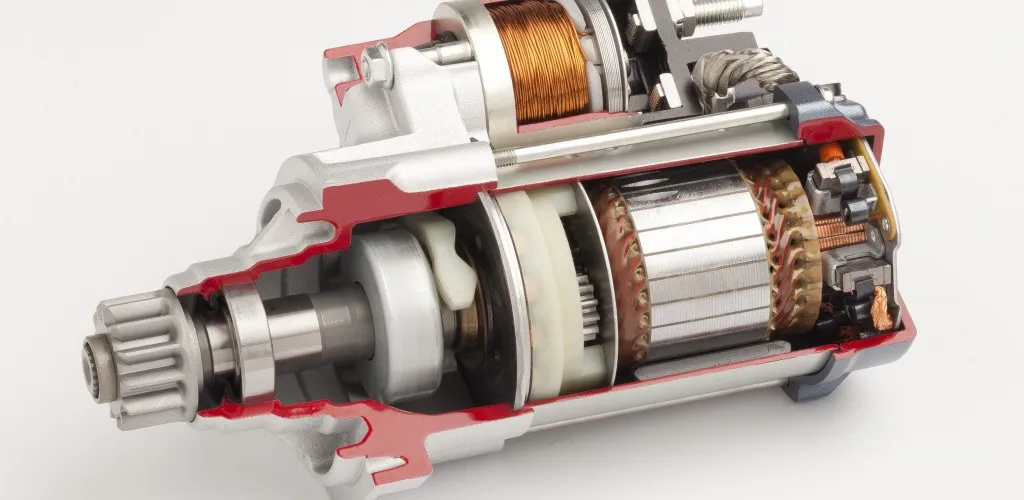
The starter motor is a vital component of any vehicle, responsible for turning the internal combustion engine over to begin the air-fuel intake. This part acts as an electric motor that rotates the crankshaft, enabling the engine to draw in the air and fuel needed for normal operation.
When you turn the key, electrical energy flows to the starter motor, it spins the flywheel and turns the crankshaft, setting the piston in motion. At the same time, spark plugs receive the energy required to ignite the air-fuel mixture in the combustion chamber. Without this process, the engine cannot start.
Recognizing the symptoms of a faulty starter motor is essential to avoid getting stranded. Below we present the most common signs that indicate the need to check or replace this component.
Smoke - the first warning sign
Signs of smoke coming from the engine are among the most alarming symptoms of a faulty starter motor. Gray or black smoke results from a short circuit in the starter windings.
When the insulation of the wires inside the starter deteriorates, current begins to flow through improper paths, causing overheating and smoke. This can cause permanent damage to components in the engine bay and poses a fire risk.
Abnormal noises from the engine area
A healthy starter motor operates relatively quietly, emitting only a short, steady sound when starting the engine. Unusual noises can indicate several problems:
- Screeching noise: Indicates wear of inner bearings or damage to the starting gear
- Knocking noise: May signal issues with the starter solenoid
- Continuous noise without engine starting: Suggests the pinion cannot engage properly with the flywheel gear

These abnormal sounds require immediate inspection at a specialized service to determine the exact cause and prevent more serious damage.
Freewheeling phenomenon (idling rotation)
Freewheeling is a technical problem that manifests when the starter motor spins but fails to transmit movement to the internal combustion engine. In this case, you will hear the starter running, but the engine will not start.
This defect occurs when:
- The starter pinion is worn and cannot engage with the flywheel gear
- The solenoid does not function properly and does not push the pinion into engagement
- The internal gears of the starter are damaged
The problem requires immediate replacement of the starter motor to avoid damaging the flywheel.
Burning smell - sign of overheating
A strong burning smell around the car can indicate overheating of the starter motor. This symptom often appears before visible smoke and can be the first sign of serious electrical problems.
Overheating can be caused by:
- Prolonged use of the starter without a successful engine start
- Short circuits in the windings
- Issues with the starting relay that keeps the starter running too long
If you smell this odor, stop attempting to start the engine immediately and contact a mechanic.
The vehicle won’t start at all
The most obvious and frustrating symptom is when the vehicle won’t start despite all efforts. When you turn the key and nothing happens - not even the characteristic sound of the starter - the problem is likely with the starter motor or its electrical circuit.
In this situation, first check:
- The car battery condition
- Electrical connections to the starter motor
- The starter relay
- Fuses related to the starting system
If all of these are in order, the starter motor needs immediate replacement.
Cost and process of replacing the starter motor
Replacing a faulty starter motor involves costs that vary based on several factors:
Factors influencing the price:
- Make and model of the vehicle: Premium cars have more expensive parts
- Type of starter motor: Power and technical complexity
- Part source: OEM (original) vs aftermarket
- Geographic area and chosen service
Cost estimates:
- New starter motor: 800-1200 RON
- Labor: 200-300 RON
- Total cost: 1000-1500 RON

Remanufacturing option:
In some cases, the starter motor can be remanufactured at a lower cost (400-600 RON), but this option is not always viable, especially for major faults.
Preventing starter motor failure
To extend the life of the starter, follow these recommendations:
- Don’t overdo starting attempts: If the engine doesn’t start within 10-15 seconds, take a 30-second break before retrying
- Battery maintenance: A weak battery forces the starter to work harder
- Periodic checks: Inspect electrical connections and clean terminal corrosion
- Regular service: Include starter checks in your preventive maintenance program
Conclusion
A faulty starter motor can turn a normal day into a nightmare, especially in urgent situations. Early recognition of symptoms and quick intervention can prevent additional costs and the discomfort of an unexpected breakdown.
If you notice any of these symptoms, don’t delay a visit to the service. A completely failed starter can leave the car immobile and may require towing to the nearest repair shop.
Photo sources: howacarworks.com, denso-am.eu, youtube.com, haynes.com