- Octane measures fuel’s resistance to pre-ignition; higher numbers resist detonation.
- 95 octane is standard for most modern engines; 99 octane targets high-compression engines.
- Wrong fuel: too low octane causes detonation, wear, and power loss.
- Premium 99 octane benefits turbo/high-compression engines; regular engines see no automatic gains.
Choosing between 95 octane and premium 99 octane gasoline is a common question among Romanian drivers. While prices vary significantly, many wonder whether it’s worth paying more for premium fuel or if regular gasoline is enough for their needs.
Understanding the difference starts with how an internal combustion engine operates and the role octane rating plays in this process.
How the engine works and why octane matters
The combustion process in a gasoline engine is complex and must be perfectly synchronized for optimal performance. Gasoline is sprayed by [injector] into the combustion chamber where it mixes with the oxygen in the air.
When the piston reaches top dead center (TDC), this air–fuel mixture is ignited by an electrical spark produced by the [spark plug]. The energy released by the explosion pushes the piston down, transmitting force to the crankshaft, then to the drivetrain and finally to the wheels.
The problem arises when the mixture ignites uncontrollably, before the optimal moment. This phenomenon is called [detonation] and can cause severe engine damage, from premature wear of piston rings to piston damage.
What is octane rating and how is gasoline classified
Octane rating represents the fuel’s resistance to auto-ignition under pressure. The higher the number, the more resistant the gasoline is to compression without spontaneously igniting.
Gasoline is a complex blend derived from crude oil, containing over 200 different hydrocarbon types. The refining process and the addition of additives (such as aromatics) allow adjusting the octane rating to meet the requirements of different engines.

Types of gasoline available in Romania
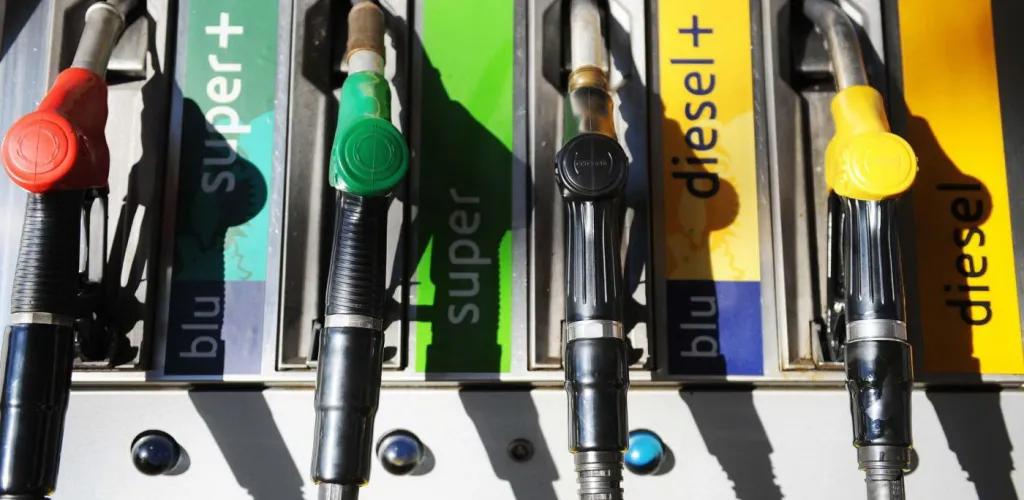
- 95 octane gasoline: Standard for most modern engines
- 99 octane gasoline: Premium, intended for high-compression engines
The relationship between octane rating and compression ratio
The compression ratio of an engine is determined by its design and cannot be changed without major modifications. Engines with a high compression ratio (over 10:1) generate higher pressures and temperatures in the combustion chamber, requiring fuel with a higher octane rating.

Consequences of choosing the wrong fuel
Too low octane:
- Frequent detonations
- Accelerated engine wear
- Power loss
- Possible costly damage
Too high octane:
- Incomplete combustion of the fuel
- Increased consumption
- Higher pollutant emissions
- Financial waste
When premium gasoline is worth it
Premium 99 octane does not automatically provide more power to a engine designed for 95 octane. It does, however, allow high-performance engines to run at their optimum parameters.
Engines that require premium gasoline:
- Turbocharged engines with high compression
- Performance engines (BMW M, Mercedes-AMG, Audi RS)
- Engines with a compression ratio above 10.5:1
- Supercars and luxury sports cars
Practical examples:
Ferrari 458 — a 4.5L V8 engine with a compression ratio of 12.5:1 requires 98+ octane to develop 570 HP without detonations.
Volkswagen Golf 1.6 FSI — with a compression ratio of 10.5:1, it runs optimally on 95 octane, and 99 octane does not provide benefits.
How to choose the right fuel
Check the owner’s manual
The manufacturer always specifies the minimum recommended octane rating. This is the safest guide for choosing fuel.
Signs you’re using the wrong octane
Too low:
- Engine knocking during acceleration
- Power loss
- Increased fuel consumption
Too high:
- No performance improvement
- Slightly higher consumption
- Unjustified cost
Benefits of premium gasoline
In addition to the higher octane rating, premium gasoline also offers:
- Cleaning additives - prevent deposits in injectors and the combustion chamber
- Improved stability - resists deterioration over time
- Anticorrosion protection - for the fuel system
Conclusion
Choosing between 95 and 99 octane should be based on the engine’s technical specifications, not on the impression that “more expensive means better.” Following the manufacturer’s recommendations ensures optimal engine operation and avoids unnecessary costs.
For most drivers with standard cars, 95 octane is the correct and economical choice. Premium gasoline justifies its cost only for high-performance vehicles or those with manufacturer-specific requirements.