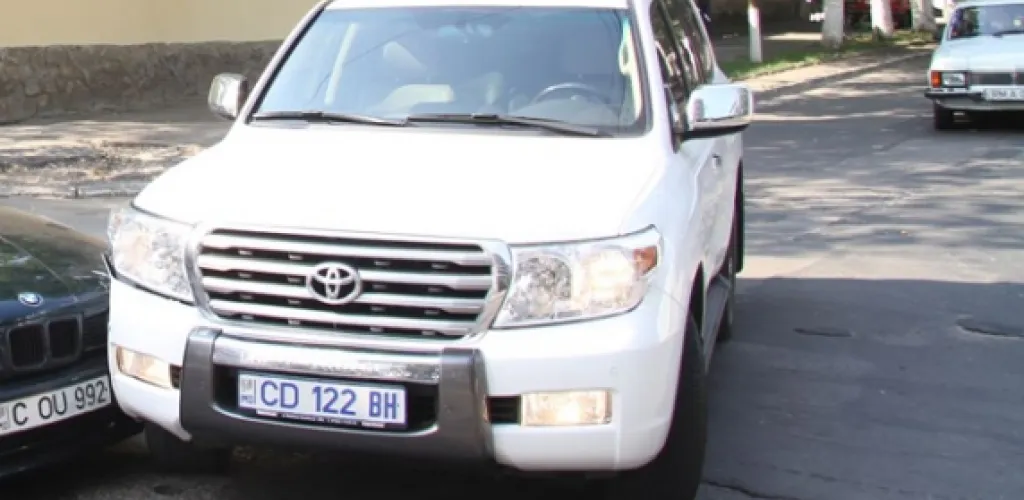
- CD on plates stands for Corps Diplomatique, marking vehicles of foreign missions.
- They’re owned by embassies or diplomats and used for official missions.
- Under Vienna Convention, they enjoy immunity, tax exemptions, and license recognition.
- Armor, reinforced body, powerful engines, and emergency communications equipment.
CD license plates are a distinctive feature you may have noticed on Romanian roads. These vehicles, often accompanied by escorts and bearing special insignia, belong to a specialized licensing system intended for the diplomatic corps.
Understanding the meaning of these special plates and the legal status of the vehicles that wear them can help you navigate traffic more effectively and understand why these vehicles enjoy certain privileges on public roads.
What CD on license plates stands for
The ‘CD’ insignia stands for ‘Corps Diplomatique’ (Diplomatic Corps in French) and identifies vehicles belonging to foreign diplomatic missions accredited in Romania. These vehicles are owned by the embassies, consulates, or are directly operated by diplomatic agents, ambassadors, or heads of diplomatic services.
CD-numbered vehicles are used in a variety of official contexts: diplomatic missions, transporting diplomatic personnel along with their family members during detachments or trips between cities and countries. The presence of these special plates signals not only the diplomatic origin of the vehicle but also a full set of rights and immunities provided under international law.
Privileges and immunities of diplomatic vehicles
Under the 1961 Vienna Convention on Diplomatic Relations, the people who use these vehicles benefit from a very high level of diplomatic immunity. This special status covers a wide range of situations and acts, and waiving immunity can be requested only in exceptional circumstances, and is rarely granted.
Therefore, CD-numbered vehicles enjoy:
- Jurisdictional immunity for their users
- Exemption from vehicle-specific taxes
- Exemption from VAT and customs duties on import, with the approval of the Ministry of Foreign Affairs
- Recognition of driving licenses on a reciprocal basis
These exemptions remain valid for the entire period the vehicle is part of the respective diplomatic mission’s fleet.
Technical characteristics of diplomatic vehicles
Vehicles used by the diplomatic corps are not ordinary cars. Most are built to order or significantly modified to meet special security and protocol requirements.
Protection and security features
These vehicles feature advanced technical characteristics:
- Ballistic armor – the body, glass, and vital components are built from materials resistant to gunfire
- Reinforced bodywork – the vehicle’s structure is much more robust than standard models
- Powerful engines – equipped with high-capacity engines to compensate for the extra weight of armor and to ensure optimal performance in critical situations
- Special equipment – emergency beacon and secure communications systems that can be activated during official missions
Advanced safety systems
In addition to physical armor, these vehicles are equipped with sophisticated electronic safety systems, including anti-explosion devices, automatic fire suppression in the engine compartment, and the ability to drive on deflated tires for considerable distances.
The traffic legal regime
Law 195/2002 details the traffic regime applicable to vehicles considered to be part of the diplomatic corps. Under this legislation, vehicles with CD plates must comply with general traffic rules, but enjoy certain facilities in specific situations related to fulfilling diplomatic missions.
Driving licenses and documentation
Driving licenses of diplomatic personnel are recognized on Romanian territory on the basis of reciprocity, according to bilateral agreements between states. This means that foreign diplomats may legally drive using their home country license, without needing a Romanian license.
End of the diplomatic mission and vehicle disposition
At the end of the diplomatic mandate, mission members have the right to permanently export the vehicles used, but this procedure requires approvals from several Romanian state institutions:
- Ministry of Foreign Affairs
- National Customs Authority
- Directorate for Driving Licenses and Vehicle Registration Regime
These documents ensure that all legal obligations are fulfilled before the vehicle leaves the national territory.
How to interact with CD vehicles in traffic
As a road user, it is important to know how to behave when you encounter CD-numbered vehicles:
- Respect the right of way when diplomatic vehicles are accompanied by escorts with visual and audible signals
- Do not block access to these vehicles when it is evident they are on official duty
- Maintain a safe distance, especially for diplomatic convoys
- Be prepared for unexpected maneuvers, as these vehicles may receive urgent escort
However, it is important to note that outside official missions, CD-numbered vehicles must comply with the same traffic rules as any other road user, and their privileges do not permit them to systematically breach road safety norms.
CD license plates represent much more than mere plates on a vehicle — they symbolize international relations, diplomatic protocol, and reciprocal commitments between states. Understanding this special system helps you navigate urban traffic more informedly and appreciate the complexity of the legal framework governing diplomatic presence in Romania.