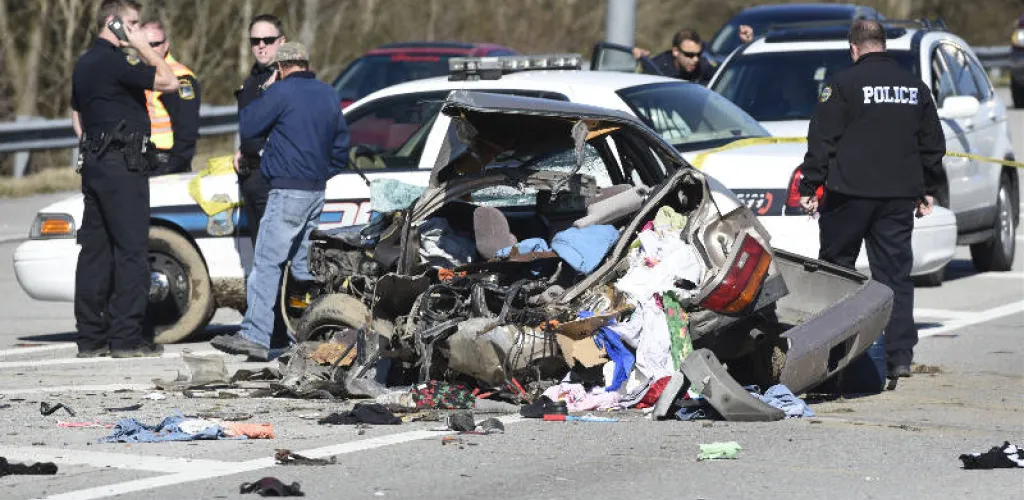
- Front, side, rear, and rollover crashes create distinct injury patterns.
- Traumatic brain injuries include concussion, diffuse axonal injury, hypoxic injury, contusions, hematomas.
- Immediate symptoms include confusion, blurred vision, headaches, dizziness; long-term memory and speech changes.
- Rib fractures are common; ribs can puncture lungs.
Road accidents are a major cause of injuries in Romania and around the world, and the injuries resulting can vary dramatically in severity — from minor bruises to permanent paralysis or even death. Understanding the types of injuries that can occur after a car crash is essential for both prevention and for rapid, appropriate treatment.
The severity of injuries depends on several factors: speed at impact, type of collision, use of seat belts, presence of airbags, and occupants’ position inside the vehicle. Each type of accident — front, side, rear, or rollover — generates specific injury patterns that affect different parts of the body.
Main types of accidents and associated injuries
Front collisions
Front collisions are often the most severe, causing significant injuries to the head, chest, and lower extremities.
Side impacts
Side impacts primarily affect the upper body and head, while rear-end collisions frequently cause cervical injuries via the whiplash mechanism.
Rear-end collisions
Rear-end collisions commonly cause cervical injuries through the whiplash mechanism.
Rollovers
Vehicle rollovers can generate a wide range of injuries due to multiple impacts and occupant ejection.
Traumatic brain injuries
Traumatic brain injuries are among the most serious consequences of road crashes. They occur after a forceful blow or sudden jolt to the head and body, and can have devastating long-term effects.
Main types of traumatic brain injuries:
- Concussion - the most common form, characterized by temporary dysfunction of brain activity
- Diffuse axonal injury - damage to nerve fibers in the brain
- Hypoxic brain injury - occurs when other injuries disrupt blood flow to the brain
- Cerebral contusions - bruising of brain tissue
- Intracranial hematomas - accumulations of blood inside the skull
Symptoms to watch for:
Immediate symptoms:
- Confusion and disorientation
- Blurred or double vision
- Difficulty concentrating
- Severe headaches
- Dizziness and nausea
Long-term symptoms:
- Persistent muscle weakness
- Partial or total vision loss
- Changes in speech
- Memory and cognitive problems
- Personality changes
Musculoskeletal injuries
Joint injuries
Joints are particularly vulnerable during impacts and can suffer from injuries ranging from minor bruises to severe trauma requiring surgical intervention.
Common joint injuries:
- Knee fractures - often complex, involving the patella, femur, or tibia
- Sprains - stretching or tearing of ligaments
- Shoulder dislocations - displacement of the arm bone from the joint cavity
- Dislocations of other joints - hip, elbow, wrist
Recovery can take weeks or months, with reduced joint mobility and decreased muscle strength until full healing.
Common bone fractures
Rib fractures are very common due to the relative fragility of these bones. Ribs can fracture easily on impact, potentially puncturing the lungs or other internal organs in severe cases.
Other common fractures:
- Fractures of limbs (arm, forearm, leg, shin)
- Pelvic fractures
- Clavicle fractures
- Skull fractures
Spinal injuries
Spinal injuries are among the most serious, with the potential to cause permanent paralysis or even death.
Affected components:
- Vertebrae
- Intervertebral discs
- Ligaments
- The spinal cord
Types of spinal injuries:
- Vertebral fractures
- Herniated disc
- Spinal cord injuries - from contusion to complete severing
- Whiplash syndrome - cervical injury from hyperextension-hyperflexion
Severity depends on location: cervical injuries can affect all limbs, thoracic injuries can cause paraplegia, and lumbar injuries mainly affect the lower extremities.
Internal organ injuries
Internal bleeding
Internal bleeding is an absolute medical emergency and can be fatal without prompt treatment. Commonly affected organs:
- Liver (the most vulnerable abdominal organ)
- Spleen
- Kidneys
- Lungs
- Heart and great vessels
Warning signs:
- Severe abdominal pain
- Palpitations and weakness
- Pale, cold skin
- Low blood pressure
- Rapid, shallow breathing
External injuries and burns
During an accident, fragments of glass, metal, or plastic can cause:
- Cuts and lacerations of varying severity
- Extensive bruising
- Burns (especially in fires)
- Abrasions caused by friction
These injuries, while they may seem minor, can lead to serious infections or permanent scarring if not properly treated.
Factors influencing injury severity
Safety systems
- A seat belt reduces the risk of death by up to 50%
- Airbags protect against head and chest injuries
- Child restraint systems are essential for the safety of young passengers
Characteristics of the accident
- Speed at impact
- Angle of collision
- Mass of involved vehicles
- Cabin deformation
First aid and emergency response
Calling emergency services
Dial 112 immediately for:
- Professional medical assessment
- Rapid transport to hospital
- Safe extrication from vehicles
- Spinal stabilization
First aid measures
- Do not move the victim if you suspect spinal injuries
- Control bleeding with direct pressure
- Keep the victim warm
- Monitor breathing and pulse
- Console and reassure the victim
Treatment and recovery
Acute phase
Immediate treatment focuses on:
- Stabilizing vital functions
- Controlling hemorrhage
- Preventing further deterioration
- Pain management
Long-term recovery
- Physiotherapy for restoring strength and mobility
- Occupational therapy for relearning daily activities
- Psychological support for emotional trauma
- Home and vehicle adaptations if needed
Legal aspects and compensation
If you were injured due to someone else’s negligence, you are entitled to compensation. To support your case, you will need:
- Complete medical documentation - all bills, diagnosis, treatment
- Police report - official description of the accident
- Medical expert evaluations - assessments from specialized physicians
- Photographic evidence - images from the accident scene
- Witnesses - statements from people present
Types of compensation
- Medical expenses (present and future)
- Loss of income
- Pain and suffering
- Moral damages
- Costs of adaptation and care
It is recommended to consult a personal injury attorney to fully understand your rights and obtain the compensation you deserve.
Accident prevention and injury prevention
Active safety measures
- Adherence to speed limits
- Avoid driving under the influence of alcohol or drugs
- Eliminate distractions (phone, food)
- Adjust speed to road conditions
- Maintain a safe following distance
Protective equipment
- Wearing a seat belt consistently
- Checking the operation of airbags
- Using child car seats
- Replacing damaged equipment
Investing in road safety - both through responsible behavior and modern vehicles equipped with advanced safety systems - remains the most effective method to prevent serious injuries in road accidents.
Photo source: timesfreepress.com