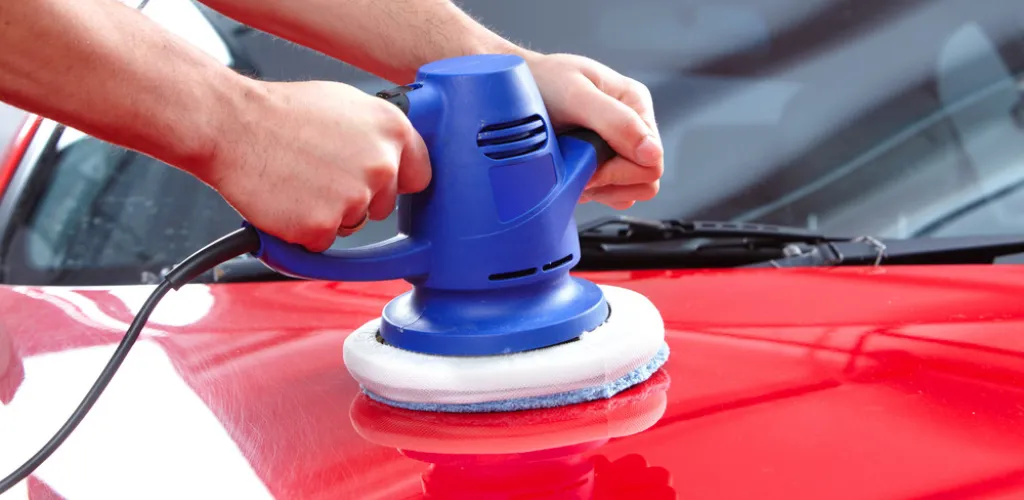
- Polishing restores shine, protects paint, and eases future cleaning.
- Proper surface prep uses clay, lubricant, and small sections for decontamination.
- Apply wax in thin coats; multiple layers boost UV protection and durability.
- Use 300 GSM, 40x40 cm microfiber towels with no conditioner; air dry.
Polishing and glossing your car is an excellent investment in your vehicle’s appearance, delivering remarkable results at a reasonable cost and with a manageable time commitment. Correct polishing can transform the overall look, restoring the original shine of the paint and protecting it from external factors.
Although the process can take several hours, the satisfaction of seeing your car gleam like new makes the effort worthwhile. After a professional polish, you’ll notice that routine cleaning becomes even more enjoyable, and the results will last much longer.
Surface preparation - the foundation of a successful polish
Removal of old contaminants
- Oxidized old wax
- Tree resin
- Metallic particles
- Industrial deposits
- Insect splatters
Using clay for decontamination
- Work in small sections (60x60 cm)
- Always use clay lubricant
- Linear, non-pressure movements
- Knead the clay frequently for a clean surface
The technique of applying wax - less is more
Optimal amount of wax
- Apply only a minimal amount, pea-sized
- Distribute evenly over a surface of about 60x90 cm
- Wax should be almost invisible after application
- A correctly applied layer will wipe off easily and leave a uniform finish
Application method
- Temperature: Optimal conditions — work in shade, with the paint cooled
- Circular motions: Apply the wax in small circular motions, then finish in a straight line
- Drying time: Respect the manufacturer’s recommended time (usually 5–10 minutes)
Applying multiple layers for maximum protection
A single coat of wax, no matter how well applied, does not provide optimal protection. The technique of multiple layers is the secret to long-lasting polishing.
Layering method
First variant - full application:
- Apply the first thin coat
- Let it dry completely
- Buff until completely removed
- Apply the second coat
- Repeat the process
Second variant - overlapping application:
- Apply the first coat very thin
- Immediately apply the second coat over the first
- Let both coats dry simultaneously
- Buff in a single step
Benefits of multiple layers
- Increased UV protection
- Extended durability (3-6 months vs 1-2 months)
- Greater depth and color richness
- Improved resistance to contaminants
Choosing and caring for microfiber towels
Towels used for polishing are as important as the wax itself. Their quality and condition directly influence the final result.
Characteristics of ideal towels
- Density: Minimum 300 GSM for polishing
- Size: 40x40 cm for optimal handling
- Composition: 80% polyester, 20% polyamide
- Finish: Seam-free edges to avoid scratching
Care of towels
- Washing: Only with detergent, no conditioner
- Temperature: Maximum 40°C
- Drying: Air dry or tumble dry on low heat
- Storage: In a clean, dust-free environment
Troubleshooting common polishing issues
Even with experience, situations can arise that require special remediation techniques.
Wax too dry and difficult to remove
When the wax has dried excessively and becomes hard to remove:
- Do not force removal – you risk scratching the paint
- Apply a small amount of fresh wax on top of the dried layer
- Let it work for 1-2 minutes to soften the underlying layer
- Remove both layers with gentle circular motions
- Finish with a clean cloth to remove residues
Streaks and spots after polishing
- Causes: dirty cloth, low-quality wax, uneven application
- Solutions: local reapplication, using a quick detailer, light polishing
Tips for professional results
Optimal working conditions
- Temperature: 15-25°C
- Humidity: Under 70%
- Wind: Minimal to avoid dust deposition
- Location: Full shade, away from traffic
Polishing frequency
- Garaged cars: Every 3-4 months
- Exposed cars: Every 2-3 months
- Extreme conditions: Monthly
Polishing your car correctly is an art that improves with practice. The result — a paint that shines intensely and is effectively protected — fully justifies the time and effort invested. By following these professional techniques, you will achieve results comparable to those from a specialized service, with the satisfaction of a job well done.