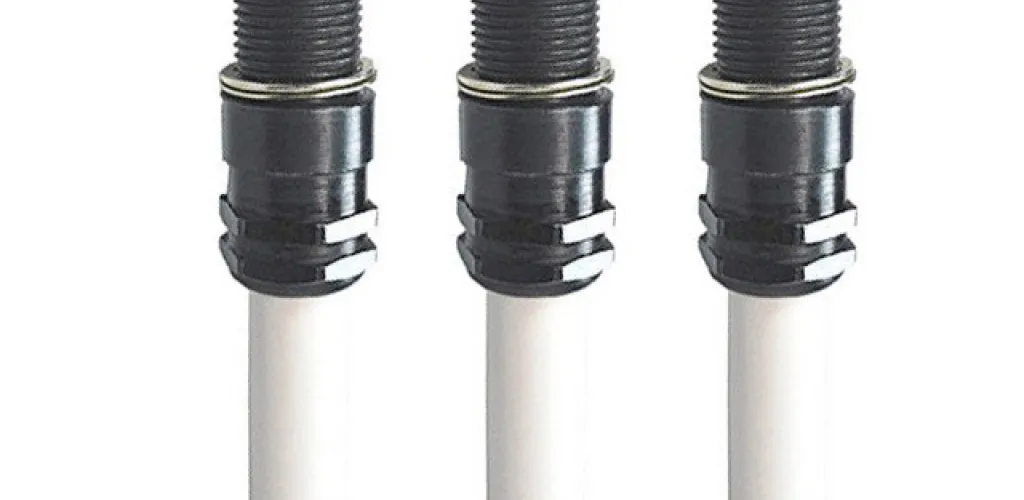
- Glow plugs heat to 800-1000°C in seconds to aid cold starts.
- Modern engines use fast-heating ceramic plugs, 2-4 second warm-up.
- Signs of failing glow plugs: hard cold starts, black smoke, rough idle.
- Replacement interval: about 100,000 km for a healthy engine.
Diesel engines rely on compression ignition rather than spark ignition, a fundamental difference that requires specialized components like glow plugs, which play a crucial role in reliable cold starts and overall engine performance. Understanding how glow plugs work helps diagnose issues, plan maintenance, and keep diesel engines operating smoothly in cold conditions.
Knowing how glow plugs work helps you identify failures, plan maintenance, and ensure diesel engines start smoothly even when temperatures drop.
What does compression ignition mean in diesel engines?
Diesel engine operation relies on compression ignition: the fuel-air mixture in the combustion chamber auto-ignites when it reaches high temperatures due to piston compression. This process is what allows diesel engines to run without classic spark plugs like gasoline engines.
Diesel operating cycle:
- Faza de admisie: air is drawn into the cylinder
- Faza de compresie: pistonul comprimă aerul la presiuni de 30-50 bar
- Faza de ardere: injected diesel auto-ignites due to high temperature
- Faza de evacuare: burnt gases are expelled
Role of glow plugs in the diesel engine
If diesel engines don’t need sparks, why are glow plugs present? The answer lies in cold weather operating conditions. When the engine block is cold, especially at outside temperatures below 5-10°C, fuel may struggle to ignite by compression alone.
How glow plugs work:
- They heat up to around 800-1000°C
- Heating time: just a few seconds (2-4 seconds for modern models)
- They operate until the combustion chamber reaches optimal temperatures
- They automatically shut off once the engine reaches operating temperature

Types of glow plugs
Slow-heating glow plugs (conventional):
- Heating time: 5-15 seconds
- Temperature: 800-900°C
- Used on older diesel engines
Fast-heating glow plugs (ceramic):
- Heating time: 2-4 seconds
- Temperature: 1000-1100°C
- Standard on modern diesel engines
How to tell if glow plugs have deteriorated?
Main symptoms:
1. Difficult cold starting
- The engine coughs at start
- Requires multiple attempts to start
- Problems occur especially below 10°C
2. Black smoke on exhaust at startup
- Sign of incomplete combustion
- Black smoke on exhaust indicates fuel is not igniting completely
- The smoke disappears as the engine warms up
3. Rough idle on cold start
- The engine stumbles during the first minutes
- Idle speeds are unstable until warm
- Excessive vibrations at idle
4. Increased fuel consumption
- Incomplete combustion generates extra fuel consumption
- The engine works harder until it reaches operating temperature
Maintenance and replacement of glow plugs
Lifespan and replacement interval
Recommended interval: 100,000 km for a healthy diesel engine
Factors that influence lifespan:
- Quality of fuel used
- Frequency of cold starts
- Quality of engine oil
- Condition of the fuel injection system
Replacement process - important precautions
Disassembly precautions:
- Never force a seized glow plug
- There is a risk the glow plug can break in the thread
- Fragments can enter the combustion chamber and damage the piston
Replacement tips:
- Replace all glow plugs at once for uniform performance
- Check the condition of the cylinder head threads
- Use the torque prescribed by the manufacturer
- Apply a small amount of lubricant on the thread for easier future removal
Electronic diagnostics of glow plugs
Modern diesel engines are equipped with electronic monitoring systems that can detect glow plug faults:
Common error codes:
- P0380: Glow plug circuit fault
- P0381-P0384: Cylinder-specific faults
- P0670-P0676: Codes for individual circuits
Electrical testing:
- Check resistance with a multimeter
- Normal values: 0.6-2 ohms for ceramic glow plugs
- Check power supply (10-12V)
Impact of glow plugs on emissions
Functional glow plugs contribute significantly to reducing pollutant emissions:
- Reducing CO and HC emissions by ensuring complete combustion at startup
- Reducing black smoke and carbon particulates
- Compliance with Euro emission standards
Proper glow plug maintenance not only improves cold starts but also helps protect the environment by reducing harmful emissions.
Photo source: yuanwenjun.com, wantitall.co.za