
- Alarms reduce theft risk by about 50% but aren’t foolproof.
- Core components: sensors, an alert device, and a central control unit.
- Door sensors are common but can be bypassed by breaking a window.
- Microphones and pressure sensors detect ambient noise and interior pressure changes.
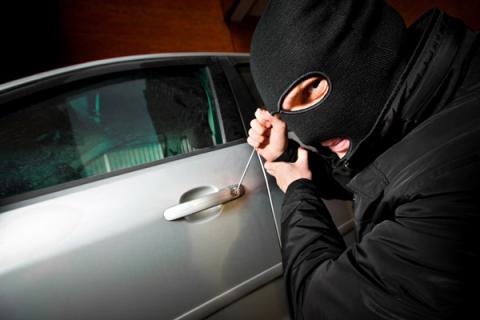
Vehicle theft remains a persistent problem in cities across Romania, and since a car is often one of the biggest investments a person makes, installing a car alarm can be a smart decision. While alarms do not guarantee 100% protection, statistics show that vehicles equipped with alarm systems are about 50% less vulnerable to theft attempts.
The main purpose of a car alarm is to prevent theft through two main methods: deter thieves by alerting the surrounding environment or render the vehicle inoperable. Although alarms have been criticized for limited effectiveness, even the most sophisticated systems can be bypassed by professional thieves, there is enough evidence that a quality alarm provides valuable protection.
Essential components of a car alarm
At a fundamental level, car alarms are relatively simple devices, composed of at least three essential components:
- One or more sensors - detect intrusion attempts
- An alert device - siren, flashers or horn
- A central control unit - processes signals and coordinates response
In a basic system, the sensor is installed in the driver’s door and activates every time it is opened. Once the system is armed, opening a door sends a signal to the control unit, which activates the siren and draws attention to the vehicle.
In practice, however, modern alarms are considerably more sophisticated. Most include integrated radio receivers in the control units, transmitters in the form of key fobs, and a wide range of specialized sensors.
Types of sensors and how they work
Sensors are the “eyes and ears” of the alarm system, responsible for detecting unauthorized access attempts. Each type of sensor has its own advantages and limitations.
Door sensors - first line of defense
Door sensors are the most common and are found in most car alarms. They are installed on doors, the trunk, and the hood, allowing the control unit to detect when someone tries to open an entry into the vehicle.

Their popularity mainly stems from the fact that they connect to the car’s existing switches, making installation relatively straightforward. However, their main vulnerability is that they can be bypassed by breaking a window and entering the vehicle without opening any door.

Microphones and pressure sensors - detecting ambient changes
Microphones monitor the level of ambient sounds around the vehicle, detecting noises characteristic of theft attempts, such as breaking glass, hammer blows, or attempts to force the locks. Modern sensors can be programmed to distinguish between normal noises (e.g., a truck passing by) and suspicious ones.
Pressure sensors detect changes in the interior cabin air pressure. Breaking a window or a sudden door opening creates a detectable pressure change, making this sensor quite effective at intrusion detection.
Shock sensors - monitoring vehicle movement
These sensors transmit signals to the control unit when the vehicle is moved or struck. There are several types of shock sensors:
- Mercury switches - simple but effective for detecting tilting
- Piezoelectric sensors - more sensitive, detecting fine vibrations
- Accelerometers - the most advanced, capable of measuring the magnitude and direction of movement
Sofisticated sensors can communicate the severity of impact to the control unit, which decides whether to trigger the full alarm or only a short audible warning. This two-stage alert reduces false alarms caused by strong wind or minor accidental bumps.
A major downside of these sensors is their sensitivity, which can lead to false alarms. The positive side is that they cannot be bypassed as easily as door sensors – any movement of the vehicle will be detected.

Movement and tilt sensors - protection against component theft
While most sensors are designed to prevent theft of the entire vehicle, movement and tilt sensors focus on a specific problem: theft of components.
These are essential for detecting situations where:
- The car is jacked up for wheel theft
- Side mirrors are stolen
- Body parts are being removed
- The vehicle is raised for catalytic converter theft
When a tilt sensor detects that the vehicle has been raised or tilted beyond a preset angle (usually 10–15 degrees), it immediately sends a signal to the control unit.
Alert and deterrence systems
To effectively deter thieves, an alarm must be able to alert anyone nearby. This is achieved through various audible and visual components.
Sirens - the classic component
Sirens remain the most recognizable element of a car alarm. Their volume typically ranges from 100–130 dB, loud enough to be heard over several hundred meters. Modern sirens use variable tones and pulsing patterns to maximize the psychological impact on thieves.
Smart voice systems
An alternative modern option includes alarms equipped with speakers that play pre-recorded messages. They can announce, “Attention! The vehicle is protected! The police have been notified!” in a way that is more specific than a standard siren.
Integration with existing systems
Most modern alarms can connect to components already in the car:
- The horn - used as an additional alert device
- Headlights and turn signals - create a visual warning effect
- Ignition system - can be blocked to prevent engine starting
- Central locking - automatically engages to secure all doors

Control unit - the brain of the system
The centralized control unit (ECU - Electronic Control Unit) is the component that coordinates the entire system. This includes:
- The main processor that analyzes signals from all sensors and decides whether the situation justifies triggering the alarm. Modern algorithms can learn the vehicle’s normal usage patterns and adapt to reduce false alarms.
- Manual transmitters (key fobs) allow the owner to arm and disarm the system remotely. Advanced versions include features such as:
- LED and sound confirmation
- Remote engine start
- Vehicle location while parked
- Real-time alerts on a smartphone
- Radio receivers receive commands from key fobs and other connected devices, providing information to the control unit about the status of the system and any interference attempts.
Real effectiveness of car alarms
Pros
Studies show that vehicles equipped with visible alarms (LEDs, stickers) are about 50% less likely to be targeted by thieves. Alarms offer:
- Deterrence effect - most thieves avoid cars with visible alarms
- Response time - quickly alerts the owner and neighbors
- 24/7 protection - operates continuously even when the owner is not present
- Insurance premium reductions - many insurers offer discounts for vehicles with certified alarms
Limitations and challenges
The most common argument against alarms is the frequency of false alarms, which has led to public “alarm fatigue.” Statistically, only about 5% of triggered alarms are due to real theft attempts.
Other limitations include:
- Sensors can be bypassed by experienced thieves
- Authorities’ response times are often insufficient
- Radio interference can affect the operation of remotes
- Battery drain on the vehicle in case of malfunctioning alarms
Conclusion
Despite their limitations, car alarms remain a valuable element in a vehicle’s protection strategy. Their effectiveness depends heavily on the quality of components, correct installation, and regular maintenance. For optimal protection, specialists recommend combining the alarm with other security measures, such as GPS tracking systems or devices that mechanically lock the steering wheel.
A well-chosen and correctly installed alarm system can make the difference between a failed theft attempt and the loss of the vehicle, and the investment in security often pays off with peace of mind for the owner.
Sursa foto: youtube.com, alibaba.com, livinghistorysociety.org, thenewswheel.com, unitedlocksmith.net