- Learning time varies by aptitude, experience, and motivation.
- Romania requires minimum theoretical and practical hours to qualify.
- Theoretical prep takes about 10-20 hours; practical 45-60 hours.
- Regular course frequency helps; 2-3 lessons weekly is most effective.
Learning to drive is a personal journey that varies widely from one person to another. There is no universal answer to the question “how long does it take me to learn to drive?” because duration depends on several important factors: natural aptitudes, prior experience with vehicles, and, not least, the passion for driving.
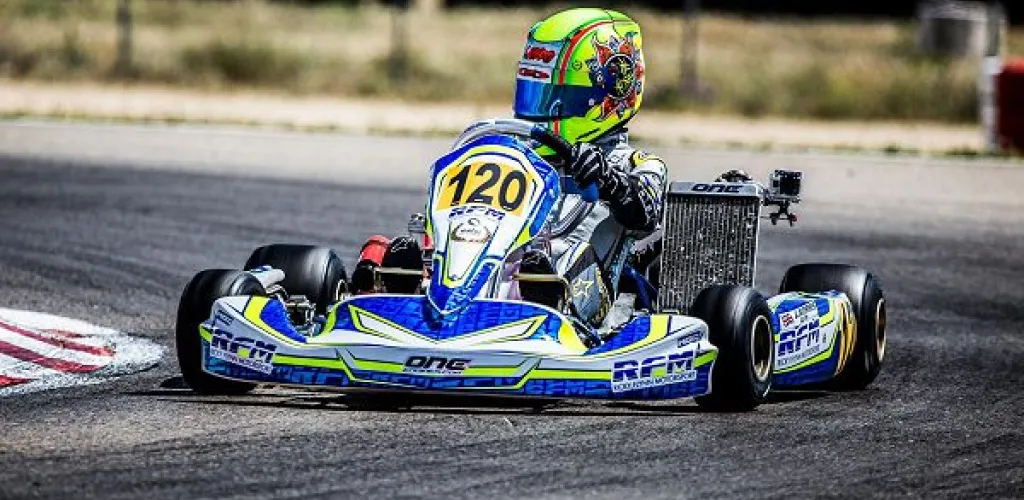
Previous experiences with go-karts, ATVs, or even driving in a driveway with smaller cars can provide a significant advantage to those preparing for the driving test. These activities develop basic reflexes and familiarity with the vehicle’s controls.
Legal requirements and minimum number of hours
In Romania, there is a mandatory minimum number of theoretical and practical hours that every candidate must complete before taking the driving test. While complying with these requirements is mandatory, the efficiency of learning can significantly reduce total costs and speed up the process of obtaining the license.
However, we do not recommend rushing the process to save a few hundred RON. The way you learn at the beginning will influence your driving style for life. Investing in extra hours of preparation can prove valuable in the long run.
Standard duration of preparation
Theoretical preparation
In general, acquiring the theoretical knowledge necessary to pass the exam takes about 10-20 hours of intensive study. This duration includes:
- Studying the road code
- Learning road signs
- Understanding priority rules
- Knowing procedures in special situations
Practical preparation
For the practical part, most candidates require 45-60 hours of actual driving, distributed as:
- 15-20 hours to learn the basic controls
- 20-30 hours to perfect maneuvers
- 10-15 hours for exam-specific preparation
These figures are indicative and may vary depending on:

- The trainee’s openness and motivation
- Natural driving aptitudes
- The quality of instruction received
- The frequency of classes
Factors that influence learning duration
Individual aptitudes
Driving is not an activity that fits equally for everyone. Some people rapidly develop the reflexes and intuition needed for driving, while others need more time to feel comfortable behind the wheel.
Previous experience
Candidates who have had prior contact with vehicles—whether through realistic simulation games, go-karts, or informal driving—tend to progress faster in the early stages of training.
Frequency of courses
A regular program of 2-3 lessons per week is more effective than sporadic sessions. Consistency helps consolidate reflexes and knowledge.
No guarantees, but strategies exist
It is important to understand that there is no guarantee you will pass the exam after the number of hours mentioned above, nor that you will necessarily need all those hours to cope. Each candidate is unique.
Our recommendation is to confer directly with the instructor to decide together the optimal moment to attempt the exam. Repeating the exam incurs additional costs, time lost, and extra emotional stress. Therefore, it is advisable to take 2-3 extra lessons for safety, but to present yourself for the exam only when you truly feel ready.
Tips to become a better driver
Choosing the right instructor
This is the most important success factor. The key performance indicator to check is the pass rate: how many students obtained their license on the first attempt in the last 2-3 years, out of the total number of students the instructor has taught.
A quality instructor offers:
- Clear and patient explanations
- Adapting the teaching method to the learner’s learning style
- Constructive and honest feedback
- Specific preparation for the exam conditions
Don’t neglect theory
Although the theoretical exam may seem easier, theory is fundamental to driving practice. Theoretical knowledge helps you:
- Understand the logic of traffic rules
- React correctly in unexpected situations
- Develop a proactive driving style
- Avoid common exam mistakes
Practice outside official courses
Traffic legislation allows driving a vehicle without a license when you are not on public roads. You can practice:
- In large private parking lots
- On private land
- In your home driveway (if space allows)
These extra practice sessions help you become familiar with the vehicle and develop the automatisms needed.
Maintain self-confidence
Most importantly: never lose confidence in yourself. Whether you didn’t pass on the first attempt or you still feel uncertain behind the wheel, keep practicing.
Remember that:
- Every experienced driver has gone through this stage
- Failure on the first exam does not define your abilities
- Consistent practice turns difficulties into automatisms
- Over time, driving becomes a matter of habit
Conclusion
Learning to drive is a personal journey that requires time, patience, and steady practice. While the standard duration varies between 55-80 total hours (theory + practice), each candidate progresses at their own pace.
The key to success lies in choosing a competent instructor, seriously studying theory, practicing regularly, and maintaining a positive attitude throughout the process. Do not rush to take the exam before you feel truly prepared— investing in extra hours of preparation will prove valuable for your safety and that of other road users.