
- Doppler radar principle drives fixed, mobile, and camera-equipped police systems.
- Mobile radars use two concealed antennas and can operate while moving.
- Detection ranges: up to 1 km open, 700–800 m mountainous, 300–500 m urban.
- In Romania, radar detectors are legal if not interfering with authorities.
Radar technology has become a cornerstone tool for law enforcement to monitor road traffic. Understanding how these devices operate and knowing the types in use can help you avoid costly fines and protect your license points.
This guide explains the Doppler principle, the main radar types used by police, how they operate, and the legal considerations, along with practical tips to stay compliant on the road.
Doppler Radar Principle of Operation
Fixed Radars
- Radar guns - the most popular model worldwide, handheld by an officer
- Tripod-mounted radars - strategically positioned on the roadside
- Radars installed in parked police vehicles - camouflaged inside parked police cars
Mobile Radars
- Two separate antennas — one for front traffic and one for rear
- Discrete installation - components are concealed within the vehicle with no visible differences
- Operation while moving - can record speeds while the police car is in motion
Fastest Speed
Modern mobile radars are equipped with the technology “Fastest Speed,” which enables:
- Simultaneous tracking of multiple vehicles
- Automatic selection of the vehicle with the highest speed
- Distinguishing between vehicles at different speeds (motorcycle overtaking vs trucks abiding by the limit)
Modes of Radar Operation
Continuous operation
In this mode, the radar continuously emits radio waves and records all vehicles passing through the coverage area.
Hold mode (standby)
The officer can place the radar on hold, ready for use but not emitting or recording. This mode is commonly used when:
- Vehicles are stopped for identification
- Police reports are completed
- Other routine duties are performed
Radars with Camera
- Radar sensor for speed measurement
- High-resolution camera for photographing the license plate
- Powerful flash for vehicle illumination
- Digital storage system for evidence
These systems are highly effective because:
- They operate automatically, without permanent human supervision
- They eliminate disputes over measurement accuracy
- They allow fines to be issued later based on photo evidence
Radar Detection Distance
Performance of high-quality detectors
- Open terrain: up to 1 kilometer
- Mountainous areas with hills and curves: 700-800 meters
- Urban environments: 300-500 meters (due to interference)
Factors that influence detection
- Radar power used by police
- Your detector’s sensitivity
- Terrain relief and obstacles
- Weather conditions
- Electronic interference in the area
Available reaction time
A few seconds
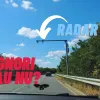
- Audible and visual warnings for the detected radar type
- Information about signal strength (proximity to the radar)
Important Legal Considerations
Use of radar detectors
In Romania, the use of radar detectors is legal for drivers, provided they do not interfere with the authorities’ communications systems.
Limitations and restrictions
Some European countries ban the use of detectors Jammers are illegal everywhere Police can confiscate detectors in certain special circumstances
Tips to Avoid Fines
Respecting speed limits
The safest method remains strictly adhering to legal speed limits, regardless of radar presence.
Using navigation apps
Modern apps like Waze or Google Maps offer real-time alerts about:
- Known fixed radar locations
- User reports about mobile checks
- High-risk areas for fines
Observing road signs
Be aware of:
- Signs announcing radar checks
- Roadwork zones with temporary restrictions
- Shoulder lanes where mobile radars may be deployed