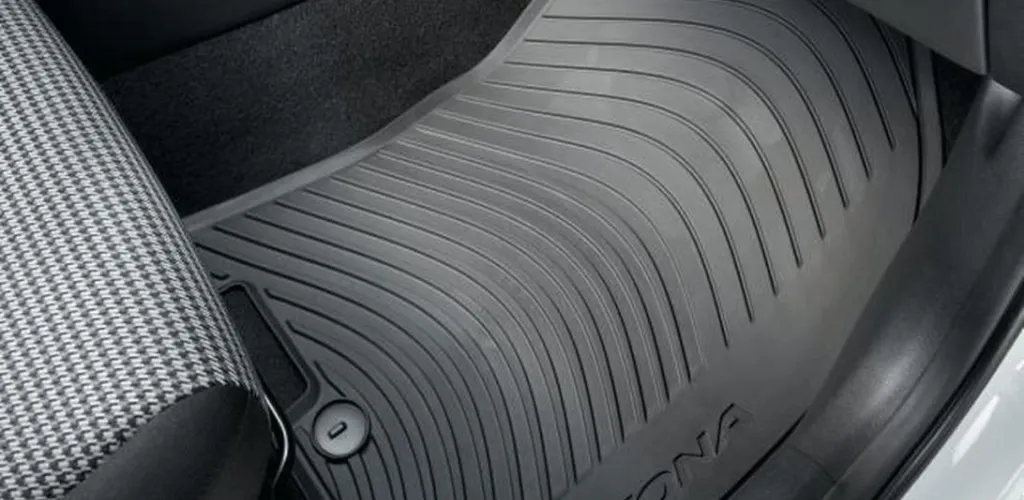
- Rubber mats resist moisture and are easy to clean, with a 6-step method.
- For fabric mats, vacuum both sides and use baking soda for odors.
- Avoid prolonged sun exposure when drying rubber mats.
- Remove mats and shake out debris before washing.
Car floor mats are among the interior elements that get dirty the fastest. No matter how careful we are, dirt from footwear, drink stains, or crumbs accumulate on them. Whether you have rubber mats or fabric mats, regular cleaning will restore a fresh look and significantly improve the overall interior of the vehicle.
Why Regular Cleaning of Car Mats Is Important
Car mats are the first line of defense against dirt entering the vehicle. They trap not only the dust and mud from footwear, but also spilled liquids, food crumbs, and various residues. Over time, these deposits can generate unpleasant odors and degrade the interior appearance.
Rubber mats are more moisture resistant and are ideal for humid climates, while fabric mats offer superior comfort and better sound absorption but require more careful maintenance.
Cleaning Rubber Mats
Rubber mats are easier to maintain thanks to their smooth surface and water resistance. Here is the six-step method:
1. Remove from the vehicle
Removing the mats from the car is the first essential step. This prevents water and cleaning products from entering the interior of the vehicle, thus protecting the original mat and electronic components.
2. Remove large debris
Beat the mats vigorously on a hard surface or a railing to remove dust and dry dirt. For residues stuck on, use a plastic scraper to loosen them without damaging the rubber surface.
3. Rinse with high-pressure water
Use a high-pressure hose to remove dirt embedded in the mats’ grooves. Focus on the top side (the one that contacts the footwear), avoiding soaking the underside too much.
4. Apply soap
Use diluted dish detergent with water or a specialized rubber cleaner. Apply with a cloth or by spraying, then scrub with a medium-bristled brush to remove persistent dirt.
Effective products:
- Diluted dish detergent (1:10 with water)
- Baking soda for tough stains
- Specialized rubber car cleaners
5. Thorough rinse
Rinse off the soap completely with clean water. Soap residues can attract more dirt and make the mats slippery.
6. Proper drying
Hang the mats to air dry or place them on a rack to dry completely. Avoid prolonged direct sun exposure, which can deteriorate the rubber.
Cleaning Fabric Mats
Fabric mats require a more careful approach due to their fibrous structure, which can trap dirt and moisture.
1. Remove and prep
Remove the mats from the vehicle and check if they have difficult stains that require special treatment.
2. Thorough vacuuming
Vacuum the mats on both sides using a strong vacuum. Use the brush attachment to loosen dirt embedded in the fibers. This step is crucial for removing dust and sand that can damage the fiber during washing.
3. Baking soda treatment
Dust baking soda over the entire surface and let it sit for 15-20 minutes. Baking soda absorbs odors and helps neutralize the acidity of stains.
For strong odors:
- Mix baking soda with a little white vinegar
- Let it act for 30 minutes
- Scrub with a soft brush in circular motions
4. Applying cleaning solutions
There are several effective options:
Manual soap method:
- Mix 2 tablespoons of laundry detergent with 2 tablespoons of shampoo
- Add warm water to make foam
- Scrub with a stiff-bristled brush in circular motions
- Focus on stain areas
Spray method:
- Use a specialized auto upholstery spray
- Apply evenly and let sit for 30 minutes
- Scrub with a hand brush
- For optimal results, use products with active enzymes
Professional equipment cleaning:
- Steam vacuuming is most effective for disinfection
- Washing machines can be used for heavily soiled mats
- Use cycles suitable for delicate fabrics
5. Final vacuuming
After cleaning, vacuum the mats again to remove excess water and loosened dirt particles. A wet-dry vacuum is ideal, but a standard vacuum can be used carefully.
6. Complete drying
Drying is critical to prevent mold and odors:
- Hang mats outdoors in a well-ventilated area
- Avoid direct sun that can fade the fabric
- In a pinch, use a dryer on the minimum temperature
- Ensure they are completely dry before reinstalling
Recommended products for car floor mats cleaning
The market offers a variety of solutions, from household products to specialized detergents:
Household products:
- Concentrated laundry detergent
- Marseille soap
- Shampoo for fabric mats
- White vinegar for deodorizing
- Baking soda for odor absorption
Specialized products:
- Enzymatic cleaners for organic stains
- Auto upholstery sprays
- Steam cleaning solutions
- Waterproofing products
Preventive maintenance tips
To reduce the frequency of intensive cleaning:
- Shake out mats regularly
- Treat stains promptly when they appear
- Use extra protection during the rainy season
- Vacuum the car interior weekly
- Avoid consuming beverages in the vehicle
Common mistakes to avoid
- Do not use chlorine-based products that can discolor the material
- Avoid very hot water that can shrink fibers
- Do not reinstall wet mats in the vehicle
- Do not scrub stains too aggressively, risking spreading them
- Avoid oil-based products that attract dirt
Regular cleaning of car floor mats not only improves the interior appearance but also helps preserve the vehicle’s value and creates a healthier environment for passengers.