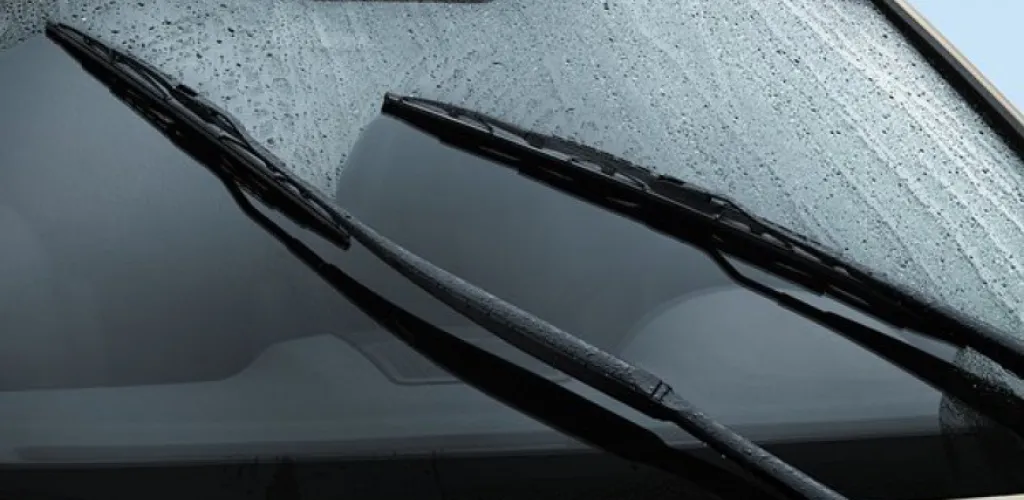
- Regular cleaning extends blade life and improves visibility.
- UV, temperature swings, dust, sap, and salt degrade blades.
- Lift blades; clean edges and joints; finish with alcohol.
- Maintain every 2-3 weeks in warm seasons; replace every 6-12 months or if damaged.
Many drivers face the problem of wiper blades leaving streaks on the windshield, even after they’ve been recently replaced. Instead of constantly replacing blades, proper maintenance can significantly extend their life and improve visibility while driving.
The effective operation of wiper blades relies on their ability to apply even pressure across the windshield surface. When dirt, dust, or residues accumulate on the rubber edge, this even pressure is compromised, resulting in streaks and uncleaned areas.
Why do wiper blades deteriorate
Wiper blades are constantly exposed to:
- UV rays that degrade rubber
- Extreme temperature variations
- Dust and road particles
- Insect residues and tree sap
- De-icing salts in winter
All of these elements contribute to stiffening and damage of the rubber edge, making periodic cleaning necessary.
Materials needed for cleaning
For an effective cleaning of the wiper blades you will need:
- Clean microfiber cloths or paper towels
- Dishwashing liquid or warm soapy water
- Isopropyl alcohol (70%)
- A cup of warm water
- Protective gloves (optional)
Vehicle preparation
Before starting the cleaning process, it is essential to have a clean vehicle. Wash the car or take it to a trusted car wash, as the goal is to remove as much dirt as possible from the windshield surface and around the wipers. However, be mindful of the hazards of taking your car to the car wash and choose a quality service.
Step-by-step cleaning process
Step 1: Lift the wiper blades
Carefully lift the wiper blades off the windshield. Do this when the engine is off and the windshield is not hot to avoid deforming the rubber.

Step 2: Initial cleaning
Apply a small amount of wash liquid to one of the clean rags and wipe the edge of the blade. Alternatively, you can use warm soapy water to remove dirt accumulated. Make several passes over the blade until there is no visible dirt on the rubber edge.
Step 3: Cleaning the joints
Don’t forget to clean the pivot joints of the wiper blades to ensure a smooth movement. These areas often collect dirt and grease that can affect optimal operation.
Step 4: Finishing with alcohol
Finally, wipe the edge of the blades with a small amount of sanitary alcohol. This step will remove any film or residue that remains on the rubber surface and disinfect the area.
Maintenance tips
- Cleaning frequency: Repeat the process every 2-3 weeks in warm seasons and monthly during winter
- Regular checks: Visually inspect blades for cracks, tears, or deformations
- Winter protection: Lift blades when parking in freezing conditions to prevent sticking to the windshield
- Timely replacement: Even with proper maintenance, blades should be replaced every 6-12 months
Signs that blades need replacement
Even with regular cleaning, blades will eventually need replacing when:
- The rubber edge is cracked or torn
- The blade no longer makes even contact with the windshield
- It continues to leave streaks after cleaning
- The rubber has stiffened and is no longer flexible
Conclusion
Regular cleaning of windshield wiper blades is a simple operation that can significantly extend their life and improve visibility while driving. This procedure, which takes only a few minutes, can save you money and provide increased safety on the road, especially in adverse weather conditions.