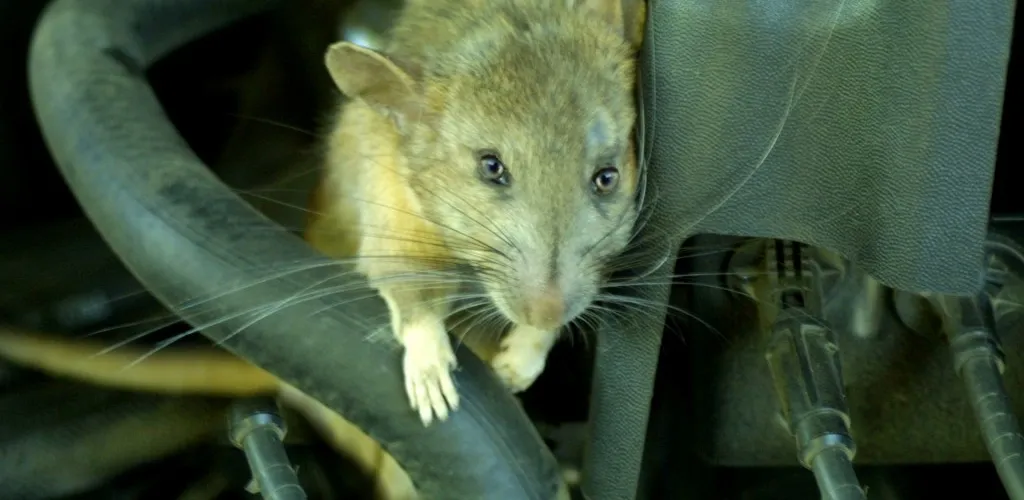
- Rodents gnaw soy-based wiring; warm engine bays and gaps increase attack risk.
- Car may not start; warning lights, gnaw marks, droppings, nests, and odors indicate infestation.
- Keep the parking area clean and free of food; mow grass regularly.
- Use repellents or natural methods: essential oils, mothballs, ultrasonic devices, peppermint oil rags.
Rodents that attack a car’s electrical wiring are a surprisingly common and costly problem. This phenomenon affects vehicle owners nationwide, especially for cars stored in garages or unsuitable spaces. Understanding the causes and prevention methods can save thousands of lei in repairs and prevent the unpleasant situations when the car refuses to start.
Damage caused by rodents is by no means an isolated case. On the contrary, it is a problem affecting more and more vehicle owners, generating substantial repair costs and stressful situations when the car no longer runs correctly.
Why do rodents attack a vehicle’s electrical wiring
The reason rodents prefer a vehicle’s electrical wires has a clear scientific explanation. These animals have continuously growing teeth throughout their lives, which forces them to gnaw constantly on various materials to keep them at a functional length.
Honda researchers conducted in-depth studies on this phenomenon and uncovered the true cause. Modern cables are coated with soy-based materials, which are not only eco-friendly but also highly attractive to rodents. This plant-based composition emits a scent that stimulates their gnawing instinct.
Factors amplifying the problem
- Warm engine bay environment
- Tight, dark spaces
- Easy access through gaps in the body
- Lack of disturbances for vehicles parked for long periods

Signs indicating the presence of rodents
Early recognition of a rodent infestation can prevent major and costly damage. Here are the main clues to monitor:
Symptoms at starting the car
- The car won’t start for no apparent reason
- Dashboard warning lights appear
- Intermittent operation of electrical systems
- Unusual noises from the engine compartment
Physical indicators
- Rodent droppings around the car or in the engine bay
- Gnaw marks on cables, hoses or plastic components
- Nest-building materials - paper, textile material, leaves in unusual spaces
- Unusual odors in the cabin or engine bay
Recommended periodic checks
For effective preventive maintenance, inspect monthly:
- Engine bay for signs of presence
- Visible cables for gnaw marks
- Air filter for nesting material
- Storage spaces for droppings
Effective prevention strategies
Prevention is always cheaper than repair. Here are proven methods to keep rodents away from your vehicle:
Parking environment management
Cleanliness of the area is fundamental:
- Eliminate all food sources near the car
- Do not store cereals, seeds or other foods in the garage
- Keep the area clean of vegetation debris and trash
- Mow the grass regularly around the parking area
Repellents and natural substances
Commercial repellents:
- Essential oil-based sprays (mint, eucalyptus)
- Mothballs placed strategically around the car
- Ultrasonic devices for rodents
Natural solutions:
- Peppermint oil applied to rags and placed in key areas
- Dog or cat hair scattered around
- Repellent plants like peppermint or lavender
Traps and physical barriers
- Baited traps placed strategically in the garage
- Fine metal screens covering access holes
- Sheet metal barriers around sensitive areas
Modifications to the vehicle
Special protections:
- Specialized loom coverings for wiring in vulnerable areas
- Repellent sprays applied to wiring
- Capsaicin-infused tape around the wires

What to do if damages have already occurred
Damage assessment
When you discover that rodents have already attacked the car, it’s crucial to act quickly:
- Do not attempt to start the car — you could cause further damage
- Take photos of the damage for insurance
- Contact a professional auto electrician
- Document all problems for a complete assessment
Insurance considerations
Many CASCO insurance companies cover rodent-caused damage, but there are specific conditions:
- The policy must explicitly include this clause
- Damage must be reported immediately after discovery
- Technical expertise is required to confirm the cause
- Costs can vary from a few hundred to a few thousand lei
Repair process
Key steps:
- Complete diagnostic of the electrical system
- Replacing the affected wiring with original parts
- Checking related components for secondary damage
- Testing the functionality of all systems
- Applying preventive measures for the future
Costs and financial implications
Cost estimates
- Minor repairs: 200-500 lei (a few wires)
- Moderate damage: 500-1500 lei (complex wiring)
- Extensive damage: 1500-5000 lei (multiple systems affected)
- Extreme cases: over 5000 lei (ECU or expensive components)
Factors influencing costs
- Complexity of the affected wiring harness
- Accessibility of damaged areas
- Need for reprogramming components
- Diagnostic and repair time
Recommendations for different storage types
For private garages
- Maintain cleanliness and order
- Install baited traps
- Regularly check for signs of infestation
- Use natural repellents
For outdoor parking
- Avoid parking near dense vegetation
- Use engine covers
- Apply repellents to wiring
- Park regularly in different locations
For long-term storage
- Special vehicle preparation
- Additional protections for all entry points
- Mandatory periodic monitoring
- Long-lasting repellents
Protecting your car from rodents requires a proactive and ongoing approach. Investing in preventive measures is always cheaper than the costs of a major repair, and maintaining a clean and protected environment can completely eliminate this problem.
Photo sources: axleaddict.com, msn.com