- Quick action and thorough cleaning prevent lasting odors.
- Remove and wash contaminated mats separately, dry thoroughly.
- Steam cleaning deeply cleans, disinfects, and removes odor-causing residues.
- If odors persist, consult professional auto detailing and upholstery cleaning.
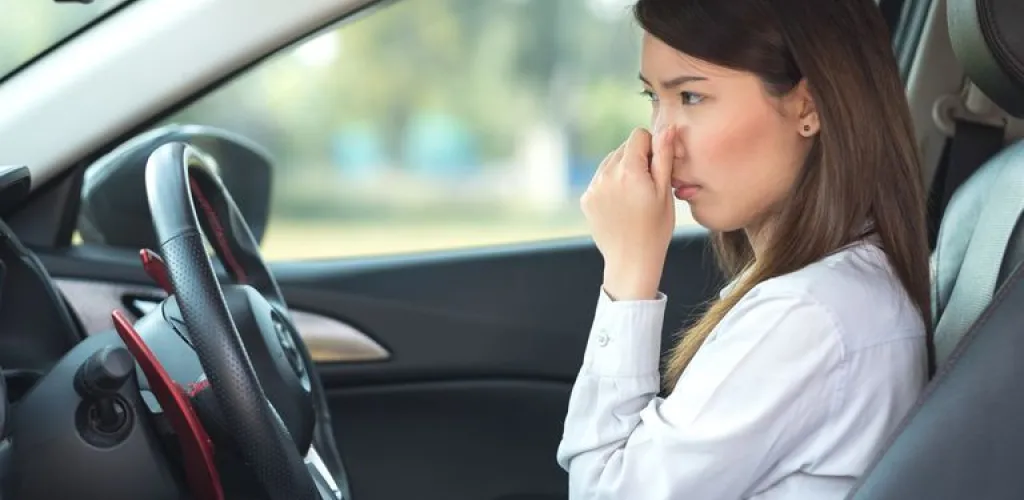
Unpleasant odors inside a car can turn the driving experience into a nightmare. Whether it’s milk spilled, other beverages, or various liquids, the problem goes beyond visible stains—the odor can linger for weeks or even months if not treated correctly.
Milk spills are particularly problematic because the proteins in its composition break down over time, creating a strong, sour milk odor. When the liquid penetrates deep into the upholstery or carpet of the vehicle, it can be absorbed at the molecular level, making its removal extremely difficult.
Basic principles for removing odors
- Quick action on the stain
- Thorough cleaning of all residues
- Molecular odor neutralization
- Proper ventilation of the cabin interior
Immediate cleaning of spilled liquids
Materials needed
- Carpet cleaner
- Activated carbon bags for air purification
- Paper towels or clean white cloths
- Sponge
- Stain removal products (optional)
- Steam cleaners (optional)
Step 1: Quick intervention
Never leave the milk spilled — quick action is the key to avoiding persistent odors inside the vehicle.
Correct procedure:
- Use paper towels or white cloths to absorb all visible milk
- Cover the surrounding dry area to prevent spreading
- Avoid aggressive rubbing which can push liquid deeper into the material
- A sponge can be handy for wiping stains from leather seats or upholstery
Step 2: Removing the mats
Contaminated mats should be removed from the car immediately and washed separately to prevent spreading odors.
For textile mats:
- Apply a stain remover
- Wash in a washing machine using warm or hot water
- Use an extra rinse cycle to remove residues
For rubber-backed mats:
- Rinse with a hose or pressure washer
- Use a specialized stain soap
- Scrub with a stiff-bristle brush for deep cleaning
Proper drying:
- Let them dry naturally in the air
- Sun exposure speeds up the process and helps eliminate odors
- Avoid artificial drying which can damage materials
Step 3: Professional steam cleaning
For extensive contamination, steam cleaning is the optimal solution for a deep clean.
Advantages of steam cleaning:
- Deep penetration into fabric fibers
- Elimination of bacteria and microorganisms
- Removal of residues that cause odors
- Natural disinfection through high temperatures
The correct process:
- Rent a professional steam cleaner
- Follow the manufacturer’s instructions for the material type
- Change the water frequently for maximum effectiveness
- Allow at least 12 hours of drying after cleaning
Step 4: Calling in professionals
If the odor persists after all attempts, professional auto detailing or upholstery cleaning services can solve complex problems.
When to call professionals:
- Odor persists after multiple treatments
- Contamination is widespread across multiple surfaces
- Materials are delicate or expensive
- Lack of time for lengthy treatments
Neutralizing persistent odors
Materials needed for neutralization
- Baking soda
- Ground coffee
- Enzyme spray
- White vinegar
- Plastic containers
- Sprayer
Method 1: Baking soda – natural absorption
Baking soda is an excellent natural absorber for odors in textiles and materials.
Proper application:
- Sprinkle a uniform layer over the dry surface
- Let sit for 3-4 days to allow full absorption
- Vacuum the area with a strong vacuum
- Repeat the process if the odor persists
Method 2: Ground coffee – aromatic neutralization
Ground coffee not only absorbs odors but also leaves a pleasant scent in the cabin.
Effective technique:
- Fill plastic containers with fresh ground coffee
- Place under the vehicle seats for two weeks
- Replace the coffee at halfway for maximum effectiveness
- Works well for stubborn odors
Method 3: White vinegar – enzymatic breakdown
White vinegar chemically breaks down the milk enzymes, eliminating the odor at the source.
Solution preparation:
- Mix 4 parts vinegar with 1 part water in a spray bottle
- Spray the affected area until fully covered
- Let it soak for 5 hours
- Wipe with clean paper towels
- Keep the windows open for airflow
Method 4: Enzymatic sprays – advanced solution
Enzymatic sprays use specialized proteins to break down the molecular structure of stains and odors.
Correct application:
- Always test on a small, inconspicuous area first
- Spray evenly on the affected area
- Let it work for 1-2 days without interference
- Do not use on interior leather
- Wipe with a damp cloth after treatment
Method 5: Carpet vacuums
Household carpet vacuums can be adapted for cleaning automotive upholstery.
Efficient use:
- Apply the product according to instructions
- Let it act for the recommended time (usually one hour)
- Vacuum with slow, methodical motions
- Repeat the process for persistent stains
Method 6: Activated charcoal – long-term purification
Bamboo charcoal sachets provide a natural solution for ongoing odor absorption.
Benefits of activated charcoal:
- Natural odor absorption over extended periods
- Reusable by exposing to sunlight
- Eco-friendly and chemical-free
- Available in different sizes and shapes
Method 7: Systematic airing
Proper airing accelerates odor elimination and prevents condensation.
Ventilation techniques:
- Open all windows for a natural breeze
- Expose the car to sunlight when possible
- Use the interior fan on high settings
- Avoid sealing the cabin during treatment

Preventing future problems
Effective preventive measures
Physical protections:
- Use spill-proof cups for drinks
- Install seat covers made of waterproof material
- Keep absorbent napkins handy
- Use high-quality floor mats
Regular maintenance:
- Vacuum the interior weekly
- Clean spills as soon as they occur
- Use specialized cleaning products monthly
- Periodically check the condition of materials
Conclusion
Eliminating unpleasant car odors effectively requires a systematic approach that combines immediate cleaning, specialized treatments, and preventive measures. Success hinges on rapid intervention and selecting the right method for each specific situation.
By correctly applying the techniques presented, you can restore a pleasant atmosphere inside the vehicle cabin and prevent reoccurrence of similar issues in the future.
Photo sources: carmudi.com.ph, lifewire.com, crosscleaningspecialist.co.uk