- Limp Mode is ECU-driven safety mode that limits power to protect the engine.
- OBDII monitors oil pressure, oil temperature, air-fuel ratio, emissions, transmission, and safety.
- Speed capped at 40–60 km/h, power reduced to 20–30%, engine may stop in extreme cases.
- Common triggers include engine, transmission, and sensor faults.
Any modern car, whether it is a BMW, a Honda, a Ford, or any other brand, is equipped with an intelligent auto protection system that activates when it detects serious problems. This system, known as Limp Mode or Limp Home Mode, can be the difference between an expensive repair and saving your engine.
Limp Mode is a safety feature that limits the vehicle performance to prevent damage to vital components. When activated, the system allows you to continue driving but under restrictive conditions, giving you a chance to reach a service center or home safely.
What Limp Mode is and how it works
Limp Home Mode represents the engine safety mode, a protection measure implemented by the [Engine Control Unit] for when it detects anomalies in the operation of critical systems. This function is available on all modern vehicles equipped with the On-Board Diagnostics system.
The OBDII system continuously monitors vital parameters through a network of sensors:
- Engine oil pressure and temperature
- Air-fuel ratio
- Exhaust emissions
- Transmission operation
- Safety systems
When sensors detect a problem that could cause serious engine failures, the ECU activates Limp Mode immediately and generates specific error codes for diagnostics.
How Limp Mode manifests while driving
Activation of the safety mode can manifest in several ways, depending on the severity of the detected problem:
Performance restrictions
- Speed limiting: The car cannot exceed 40-60 km/h
- Power reduction: The engine develops only 20-30% of normal power
- Locking certain gears: The automatic transmission may stay locked in gear 2 or 3
- Disabling auxiliary systems: Climate control, power steering, or other systems may stop functioning
Extreme cases
In the most severe situations, Limp Mode can completely prevent starting the engine or fuel supply, forcing the vehicle to stop to prevent catastrophic damage.
Main causes that trigger Limp Mode
Engine-related problems
- Defective oil pump: Low oil pressure can cause engine seizure
- Worn timing chain: May cause interference between pistons and valves
- [Camshaft] deteriorated: Affects the opening and closing of valves
- Defective turbocharger: Incorrect boost pressure
- Fuel injection system problems: Clogged injectors or defective fuel pump

Transmission system problems
Activation of Limp Mode can also be caused by [transmission problems]:
- Defective torque converter (in automatic transmissions)
- Worn clutch (in manual transmissions)
- Faulty flywheel
- Damaged input shaft
- Faulty gear position sensors
Electronic and sensor problems
- Defective accelerator position sensor
- Malfunctioning engine temperature sensor
- Corroded electrical connections
- Issues in the engine management system
- Errors in control modules
Diagnosing and Troubleshooting Limp Mode
First step: reading the error codes
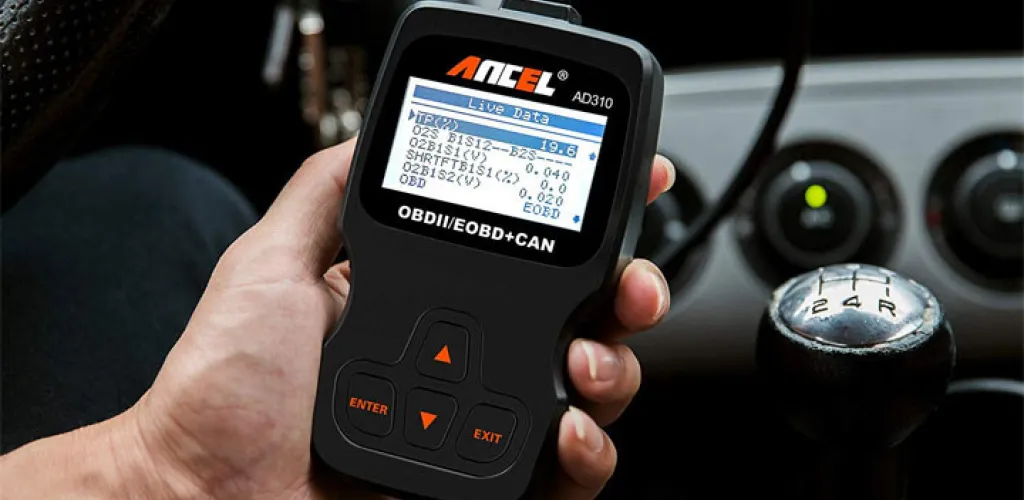
The mechanic will connect an OBD2 scanner to extract all error codes stored in the ECU. These codes provide precise clues about the nature of the problem:
- P0XXX: Generic codes for engine and transmission
- P1XXX: Manufacturer-specific codes
- P2XXX: Codes for the fuel and air system
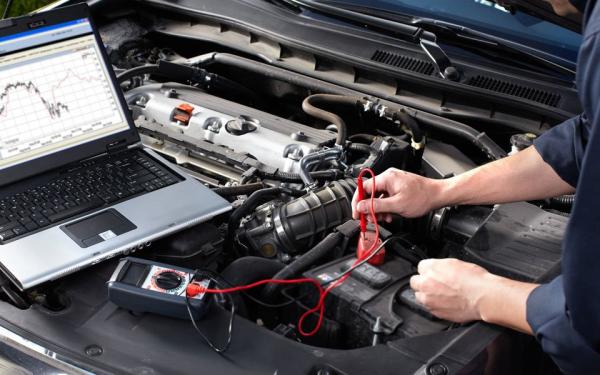
Visual inspection and component testing
After reading the codes, the technician will perform:
- Checking electrical connections
- Testing individual sensors
- Measuring pressures and temperatures
- Analyzing fluids (oil, coolant, fuel)
- Testing mechanical systems
Common repair solutions
- System reset: Sometimes a simple reset can resolve temporary errors
- Replacing defective sensors
- Cleaning or replacing filters
- Repairing electrical connections
- Replacing deteriorated mechanical components
How to react when the car enters Limp Mode
Immediate safety measures
- Reduce speed gradually and activate hazard lights
- Find a safe zone to stop if necessary
- Avoid abrupt accelerations or extreme loads
- Head to the nearest service center if the car still runs
What NOT to do
- Do not ignore the problem: Continuing to drive can worsen the situation
- Do not try to force the car: Strong accelerations can cause additional damage
- Do not disconnect the battery without consulting a specialist
- Do not use chemical additives in the fuel without recommendation
Preventing Limp Mode Activation
Preventive maintenance
- Regular oil changes according to the manufacturer schedule
- Replacing filters at recommended intervals
- Periodic fluid checks
- Annual electronic system diagnostics
Early warning signs
- Difficult engine start
- Increased fuel consumption
- Unusual exhaust fumes
- Unusual noises from the engine
- [Engine won’t start]
Conclusion
Limp Mode, or the emergency mode in a free translation, is a valuable ally in protecting your automotive investment. Although it can be frustrating when it activates, this function can save the engine from costly and irreversible damage. Understanding how Limp Mode works and the causes that trigger it helps you react appropriately and avoid major repair costs.
Remember that any Limp Mode activation requires specialized attention. It is not a problem that resolves itself, and ignoring it can turn a minor repair into a major mechanical catastrophe.