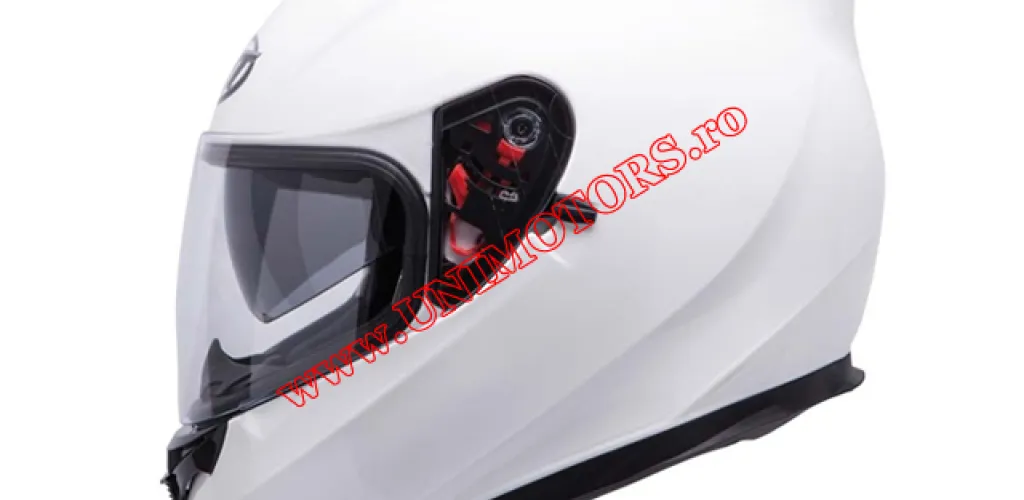
- Protective gear reduces injury risk; not optional on challenging terrains.
- In Romania, helmet is mandatory; rest is up to you.
- Helmets provide impact protection via exterior shell and foam interior.
- Leather or quality textiles offer abrasion protection during slides.
Motorcycle riding is a constant source of adrenaline and intense sensations. Enduro, motocross, and highway tours offer energy and vitality like no other. However, very few riders truly consider their own bodily protection, especially when riding on challenging terrains where the risk of serious accidents is substantial.
Protective gear is not only about style; it’s a crucial part of safety. This guide explains why protective gear matters, what it does, and how to choose it to stay safe on every ride.
Role of protective equipment in rider safety
You can ride a motorcycle with either full gear or none at all. Legally, in Romania you are required to wear only the protective helmet. The rest of the gear is up to you. The essential question is: did you buy the motorcycle just to show it off, or do you truly want to experience the unique ride that only a motorcycle can offer—safely?
Functions of protective equipment
Protective equipment falls into the category of secondary safety, its role being to protect you in situations where an accident could not be avoided. Although risks are reduced if you ride prudently, the consequences of an accident without gear can be devastating.
The equipment provides two essential types of protection:
-
Impact protection — when you hit the road or another blunt object, the protections take a portion of the shock, absorb it and dissipate it over a larger surface. A complete outfit includes shock-absorbing protections in the most vulnerable areas: the spine, clavicle, elbow, kneecap, hand (metacarpal area)
-
Abrasion protection — in situations of sliding on asphalt with strong impact. For such situations, leather gear is most effective, although there are textile materials with very good performance as well
Motorcycle helmet — the fundamental protective element
[Motorcycle helmet] represents the most important component of protective equipment, so choosing the right model is crucial for your safety.
Main purpose and secondary functions
The main purpose of the motorcycle helmet is, without doubt, to protect the head in case of an accident. Yet many people neglect an equally important aspect: comfort during long journeys. A helmet that does not offer comfort becomes a burden that can affect concentration and, implicitly, safety.
Categories of protection offered by helmets
Impact protection
This is the most important type of protection. In case of a strong shock, the helmet must withstand without breaking, protecting the skull. High-quality helmets withstand very large impacts, but protection goes beyond the outer shell.
Motorcycle helmets have two distinct layers:
- A) Exterior layer — extremely solid and resistant, takes the initial shock and protects the skull
- B) Interior layer — formed from deformable materials (polystyrene foam, foams), has the role of absorbing and dissipating energy of impact to prevent brain injuries
Abrasion protection
In general, in a fall you don’t stay stuck to the asphalt, but continue to slide due to inertia. You can slide tens of meters, and the asphalt is very abrasive, so the helmet’s exterior layer becomes essential. [Motocross helmet], for example, must withstand to help prevent major facial injuries.
Penetration protection
This protection guards you from blows by small objects that have a very high impact speed (gravel, small metal fragments). On the road, such objects are inherent, and they can be thrown into the air by tires, striking your head.
Thermal protection
Although the helmet does not contain thermal insulating materials, it should not melt in case of abrasion or if you bring your head into contact with the motorcycle’s engine or exhaust pipe.
Importance of complete gear
While the helmet is mandatory by law, the rest of the gear - jacket with protections, sturdy pants, gloves and boots - completes the protection system. Each piece has its own specific role in protecting different parts of the body in case of an accident.
Choosing to wear or not wear complete gear is up to you, but the consequences of this decision can be dramatic. A quality gear can make the difference between minor injuries and severe or even fatal trauma.