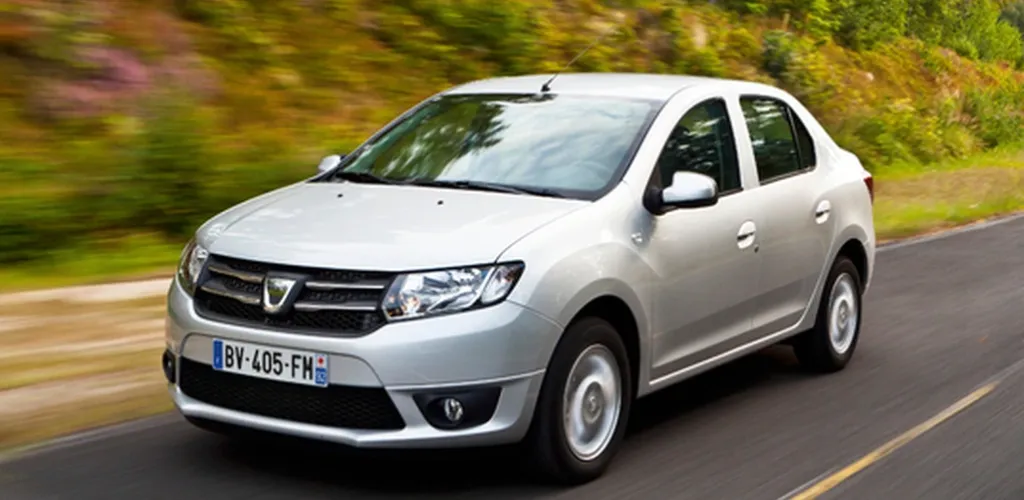
- Two-year, cross-department process chose Logan for international suitability.
- Name designed for easy pronunciation across languages and global markets.
- Phonetic link to log in underscores connection and access.
- Involved departments included design, marketing, legal, PR; Name Committee approves bi-monthly.
Romania has millions of Logan cars on the roads, making it perhaps the most common car model in the country. But how many owners of this iconic car actually know where the Logan name comes from and what complex process unfolded to choose this name? Former Dacia PR director Liviu Ion revealed in an interview for pr-romania.ro the secrets behind choosing this name, which has become synonymous with affordability and reliability in the automotive segment.
Origin of the Logan name
Contrary to the expectations of many Romanians, Logan is not a name chosen at random or inspired by local culture. Liviu Ion explains that the choice of the Logan name lasted two years, a complex process that involved multiple departments and in-depth analyses.
The Logan name was selected primarily for its international character. “Logan remained as the designation because it is easy to pronounce in many languages and, therefore, is coherent with the international character of this model,” explains the former PR director.
Association with modern technology
An interesting aspect of the name choice is its phonetic link with contemporary technological terminology. Phonetically, Logan resembles the English verb “to log in/to log on,” which means to connect or to enter a system. This similarity is not accidental, suggesting the idea of connection and access - concepts that fit perfectly with the philosophy of an affordable and practical car.
Familiarity in Western culture
Logan is also a very familiar and widespread name in countries such as Scotland and the United States, which facilitated acceptance and memorability of the name on international markets where Dacia expanded its presence.
The complex process of choosing the name
Choosing a name for a car is not at all a simple process, especially for a model intended to be marketed globally. In the case of Logan, multiple departments from the Dacia group were involved:
- Design department
- Product design
- Marketing
- Programs
- Legal department
- PR and communications department
The three steps of the process
1. Defining the brief
First step involves clearly defining the naming objectives. What message should the name convey? What values should it reflect? Who are the target markets?
2. Checking availability
The second step is perhaps the most complex and involves:
- Legal availability check (trademarks registered, name conflicts)
- Testing pronunciation across languages
- Analysis of coherence of meanings in multiple cultures and languages
3. Final decision

The last step involves the decision by the Name Committee, a specialized decision-making body that meets every two months to evaluate and approve proposed names.
Media impact and the name’s success
The correct choices made in the naming process have proven justified over time. Following the media attention generated by the vehicle’s first presentation to the press, the Logan name quickly gained notoriety, being immediately associated with Dacia and Renault.
Today, Logan is no longer just the name of a car model - it has become a brand in itself, synonymous with accessibility, practicality, and reliability in Romania and in many other countries where it is marketed.
Lessons for the auto industry
The Logan name story demonstrates the importance of a strategic and methodical approach to naming automotive products. A well-chosen name can contribute significantly to the commercial success of a model, facilitating recognition, memorability, and acceptance in international markets.
For Dacia, Logan represented not only a successful model, but also a valuable lesson about how the right name can support the brand’s international expansion strategy.