- Thermostat uses wax to regulate coolant flow between engine and radiator.
- Warm-up phase keeps engine at ~90-95°C by circulating coolant locally.
- Modern units open gradually to maintain precise engine temperature during drive.
- A stuck-closed thermostat can cause rapid overheating and major engine damage.
The thermostat is one of the most important components of the engine cooling system, responsible for managing the coolant that circulates through the engine. Although it may seem like a simple part, correct thermostat operation can mean the difference between a healthy engine and one that requires costly repairs. In this article, we explore in detail how the thermostat works, what problems it can encounter, and how you can identify them in time.
How the car thermostat works
The thermostat is a temperature-controlled mechanical valve that regulates the flow of coolant between the engine and the radiator. Its operation relies on a special wax that expands at high temperatures, opening the valve and allowing coolant to circulate.
Engine warm-up phase
When the engine is off and cold, the thermostat is in the closed position. At engine start, coolant circulates only in a small circuit, allowing the engine to reach the optimal operating temperature (approximately 90-95°C). This rapid warm-up phase is essential for:
- Reducing pollutant emissions
- Improving fuel efficiency
- Minimizing wear of engine components
- Ensuring optimal operation of the cabin heating system
Active cooling phase
Once the coolant temperature reaches the thermostat opening temperature (usually between 80-95°C, depending on the manufacturer specifications), the valve opens progressively. This allows the coolant to circulate through the radiator, where it is cooled by external air and the cooling fan.
Modern thermostats are not a simple on-off valve; they open gradually as the temperature rises. This mechanism ensures precise engine temperature control, keeping it within the optimal operating range.
The importance of maintaining the optimal temperature
An automobile engine is designed to operate at a specific temperature. If the temperature is too low, fuel consumption increases, emissions are higher, and wear of components accelerates. If the temperature is too high, the risk of engine overheating becomes real, potentially causing severe and costly damage.
Symptoms of a faulty thermostat
Early identification of thermostat problems can prevent major engine damage. Here are the main signs that indicate a failure:
Engine overheating
When the thermostat remains stuck in the closed position, coolant cannot reach the radiator to be cooled. The result is a rapid rise in engine temperature, visible on the temperature gauge on the dashboard.

This scenario is extremely dangerous and can cause:
- Warping of the cylinder head
- Deterioration of the head gasket
- Piston seizure in the cylinders
- Warping of the crankshaft or camshaft
- Turbocharger damage (on turbocharged engines)
If you notice the engine temperature rising rapidly and exceeding the normal range, stop the engine immediately and seek roadside assistance. Continuing to drive can lead to complete engine destruction in just a few minutes.
Temperature fluctuations
A thermostat that is partially stuck or has intermittent operation will cause temperature fluctuations. You will notice the temperature gauge climbing and falling abnormally during driving, instead of remaining steady in the optimal zone.
These fluctuations can indicate:
- Thermostat stuck in an intermediate position
- Worn opening mechanism
- Sediment deposits that impede proper operation
- Temperature sensor problems (rare)
Coolant leaks
A defective thermostat that fails to maintain the correct temperature can cause overpressure in the cooling system, leading to leaks at weak points of the system:

- Cracked or damaged hoses
- Loose clamps
- Cracked thermostat housing
- Worn gaskets
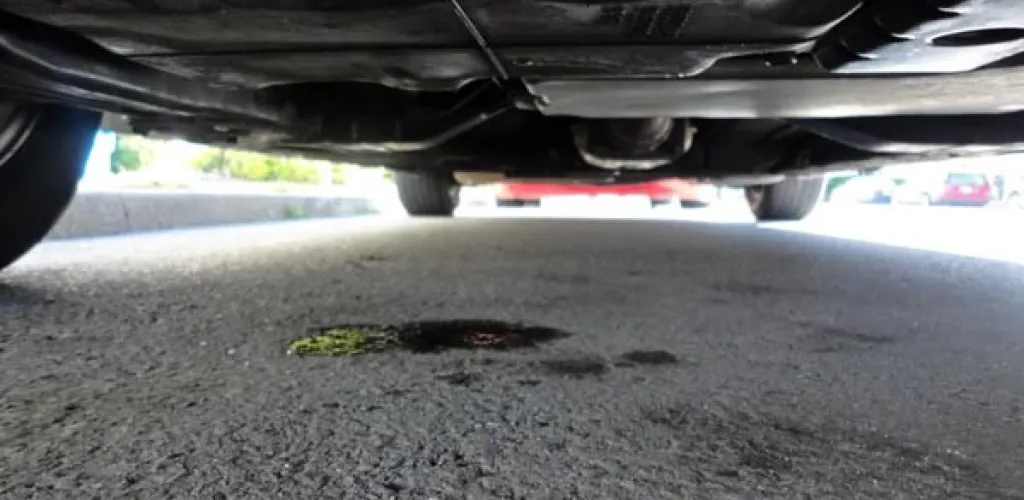
Coolant leaks are relatively easy to identify visually – look for green, orange, or pink spots under the car or around engine components. Coolant typically has a distinctive sweet smell.
Engine not reaching operating temperature
A thermostat stuck in the open position will allow continuous coolant flow through the radiator even when the engine is cold. Symptoms include:
- Abnormally long engine warm-up time
- Insufficient or no warm air from the heating system
- Increased fuel consumption
- Reduced engine performance
- The temperature gauge stays constant in the cold range
This situation, while not as severe as overheating, can cause long-term problems, including premature engine wear and deposit buildup.
Rising temperature with a full reservoir
If you notice the temperature gauge rising, but the coolant reservoir is full and there are no visible leaks, it is very likely that the thermostat is faulty and not allowing coolant to flow to the radiator. This situation requires immediate intervention.
Diagnosing thermostat problems
Testing the thermostat
Workshop specialists can test the thermostat in several ways:
Hot water test: The thermostat is removed from the car and placed in a container of water. The water is heated gradually, and the thermostat’s operation is observed. A functioning thermostat should begin to open at the temperature specified by the manufacturer (usually between 80-95°C) and be fully open about 10-15°C higher.
Electronic diagnostics: Modern cars allow monitoring engine temperature via the on-board computer. The mechanic can monitor in real time the engine temperature and identify anomalies in thermostat operation.
Infrared thermometer test: This test is performed with the engine running. The mechanic measures temperatures at different points of the cooling system to verify proper coolant flow.
Additional checks
Before replacing the thermostat, a competent mechanic will also check other cooling system components:
- Level and condition of coolant
- Operation of the water pump
- Condition of the radiator and hoses
- Operation of the cooling fan
- Cooling system pressure
- Condition of the head gasket
Replacing the thermostat

When should the thermostat be replaced
In addition to situations where the thermostat shows clear failure signs, auto manufacturers recommend preventive replacement at certain intervals:
- At 60,000 - 100,000 km (depending on manufacturer)
- Together with water pump replacement
- After any major engine repair
- Every 4-5 years, regardless of mileage
Replacement process
Replacing the thermostat is a relatively simple operation, but requires attention to detail:
- Partial draining of the cooling system: Drain coolant until below the thermostat level
- Removing the thermostat housing: Remove the screws and take out the old housing
- Cleaning the sealing surfaces: It is essential to remove any old gasket residue
- Installing the new thermostat: Install with the new gasket, ensuring correct orientation
- Tightening the housing: Follow the torque specification recommended by the manufacturer
- Refilling the system: Refill coolant to the proper level and bleed the system
- Testing: Start the engine and verify proper operation, with no leaks
The operation usually takes between 1-3 hours, depending on the accessibility of the thermostat for that particular car model.
Estimated costs
The cost of replacing the thermostat varies depending on:
- Vehicle make and model
- Type and quality of the part
- Service labor rate
- Need to replace other components (hoses, clamps, coolant)
In general, a quality original equipment or equivalent part costs between 50-300 RON, and labor ranges from 100-400 RON. It is recommended to opt for quality parts and avoid cheap counterfeit products.
Preventing thermostat problems

Preventive maintenance
To maximize the life of the thermostat and the entire cooling system:
Periodically replace the coolant: Follow the manufacturer’s recommendations (usually every 2-4 years). Old coolant loses anti-corrosion properties and can cause deposits that affect the thermostat.
Use high-quality coolant: Don’t skimp on coolant – always use the specification recommended by the manufacturer. Cheap blends or plain water can cause corrosion and deposits.
Check coolant level: Check weekly coolant level, especially before long trips.
Be attentive to symptoms: Respond promptly to any change in the engine’s thermal behavior.
Regular inspections: Include cooling system checks in periodic maintenance.
Considerations for the cold season
In winter, a functional thermostat is even more important:
- It ensures rapid engine heating
- It enables efficient operation of the cabin heating system
- It prevents coolant freezing in some areas
Check the antifreeze concentration before the cold season — it should protect down to -30°C or lower, depending on your region.
Repair versus replacement
While a thermostat could theoretically be repaired, this is not practical either in terms of cost or reliability. The price of a new thermostat is relatively small compared with the risks of a repaired thermostat failing again.
In conclusion, the thermostat is an essential but often overlooked component of the cooling system. Understanding how it works and identifying problems early can prevent costly engine damage. Do not ignore warning signs and consult a trusted service for diagnosis and repairs. A correctly functioning thermostat is the key to a healthy and long-lasting engine.