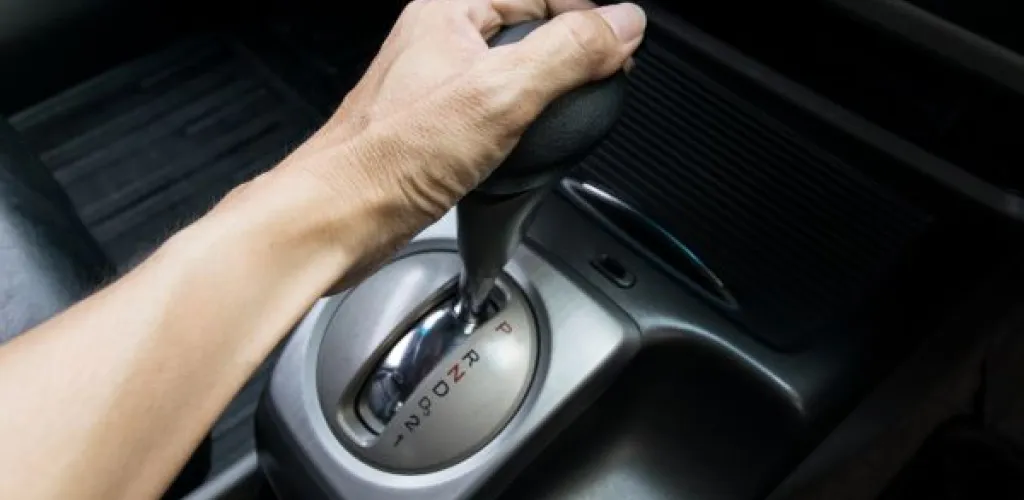
- Kickdown downshifts to a lower gear for maximum engine power.
- ECU analyzes sensors to time downshifts for peak power, even before full pedal travel.
- Kickdown signals include end-of-pedal travel feel, high RPM rise, and sudden acceleration.
- Transmissions: CVT, torque-converter automatics, and DSG/PDK implement kickdown differently.
Kickdown is one of the essential functions of modern automatic transmissions, providing automatic downshifting when the driver needs maximum power for overtakes or rapid acceleration.
This mechanism activates when the accelerator pedal is pressed all the way to the floor, prompting the automatic transmission to downshift to a lower gear to deliver the greatest available power at high engine RPM.
How the kickdown system works
Traditionally, before electronic technology spread through the auto industry, cars with automatic transmissions shifted gears only when the accelerator pedal was pressed 100%. Today, however, automakers use a wide range of sensors and algorithms to optimize the downshift process.
Factors that influence kickdown activation include:
- Engine RPM
- Degree of accelerator pedal depression
- Road grade
- Current vehicle speed
- Engine and transmission temperatures
The role of the ECU in kickdown control
ECU (Engine Control Unit) is the component that manages the entire kickdown system. This control unit analyzes real-time data from numerous sensors and decides the optimal moment to downshift.
Before the pedal is fully pressed (100%), the ECU may already initiate gear changes based on detected power needs. Only when the pedal reaches full travel does the kickdown system intervene to ensure maximum available power.
How to recognize kickdown activation
When driving a car equipped with a kickdown system, you can identify its activation by the following signals:
- Pedal travel feel: At the end of the accelerator pedal travel, you may feel the pedal reach a distinct stop or switch
- Increased pedal resistance: Many drivers feel they can press the pedal even further than 100%
- Sudden RPM rise: The engine RPM climbs rapidly as the downshift occurs
- Intense acceleration: The car accelerates suddenly and powerfully
Kickdown behavior by transmission
When the kickdown trigger is engaged, the transmission shifts down to the lower gears to provide maximum power, but it will do so only within an optimal window. Thus, the system holds the lower gear until maximum power is no longer required.
CVT (Continuously Variable Transmission)
These transmissions simulate downshifts by adjusting the transmission ratio to provide the feel of a traditional gear change.
Torque-converter automatics
They perform downshifts by briefly locking the torque converter and engaging a lower gear.
Robotized gearboxes (DSG, PDK)
They offer the fastest downshifts, using twin clutches for instant transitions.
The advantages of the kickdown system
Kickdown offers several important benefits:
- Safety during overtakes: ensures the power needed for quick and safe maneuvers
- Driving flexibility: allows rapid adaptation to traffic conditions
- Performance optimization: exploits the engine potential when needed
- Fuel economy: In normal conditions, the transmission stays in higher gears for reduced consumption
Using kickdown correctly
To get the most from this system:
- Use it only when necessary: For overtakes, highway merges or urgent situations
- Ease off the pedal gradually: After the maneuver is complete, allow the transmission to return to normal operation
- Understand the limitations: Not all cars have the same sensitivity or response speed
Kickdown represents a testament to the technological evolution in automatic transmissions, turning a simple pedal press into a complex system for optimizing vehicle performance.