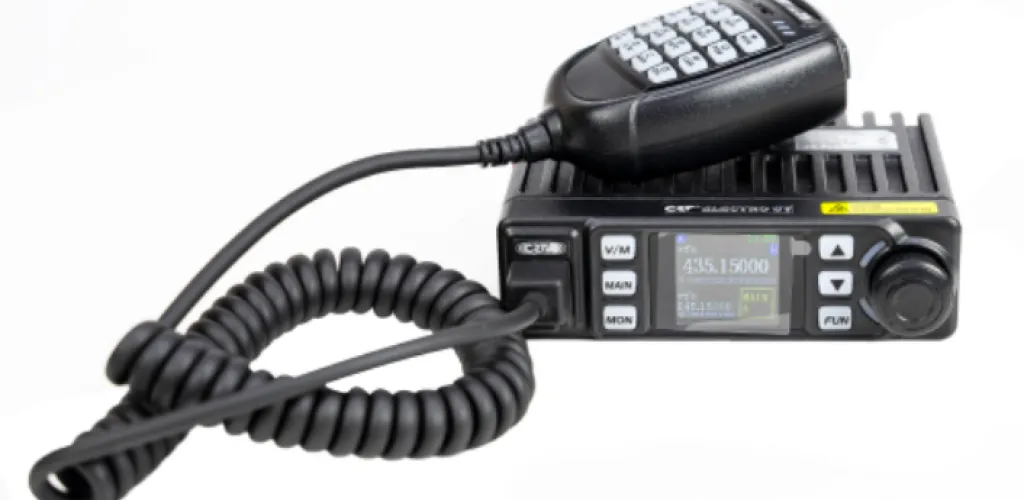
- Real-time updates from drivers help avoid jams, accidents, and radar checks.
- Range up to 15 kilometers enables immediate road-condition sharing.
- Weather and road-status alerts from radio are often more precise than forecasts.
- Choosing the right model matters; consider types, portability, and technical specs.
When it comes to traffic safety, real-time information can make the difference between a smooth journey and one full of unexpected surprises. Although we have modern navigation and traffic monitoring apps, nothing compares to information directly from other drivers. A high-quality car radio station is not just an accessory, but an essential tool that connects you to the driver community and provides a real-time perspective on road conditions.
A quality car radio station allows you to communicate within a range of up to 15 kilometers, giving you instant access to information about traffic jams, radar-monitored zones, accidents, or dangerous weather conditions. The advantages of using radio stations to prevent unforeseen situations are undeniable, and choosing the right model can be the difference between clear communication and inefficient communication.

Concrete advantages of a car radio station
Real-time traffic information
The car radio station gives you a complete view of traffic, allowing you to avoid problematic situations before you reach them. Unlike navigation apps that rely on algorithms and aggregated data, the information from the radio station comes directly from drivers who are already in the area. This means you’ll learn immediately about:
- Traffic jams and accidents that have not yet appeared on the map
- Areas with mobile radar or police checks
- Road works that are not properly signposted
- Dangerous driving conditions
Monitoring weather conditions and road status
A major advantage of communicating via radio is receiving information about the real state of the roads, especially during periods of difficult weather. When it comes to heavy rain, floods, snow, or ice, the recommendations from other drivers on the same route are much more precise and useful than general weather forecasts.
Drivers ahead of you can confirm whether the road is passable, whether there are dangerous sections, or if you need to take alternate routes. These real-time updates can prevent accidents and help you make informed decisions about continuing the journey.
How to choose the right car radio station for your vehicle
The current market offers a wide range of car radio stations, which can make the choice difficult for those without experience with this equipment. While appearance matters, the technical details are what determine the station’s real performance. Here are the essential criteria to keep in mind.
Types of radio stations
In terms of portability and intended use, radio stations fall into three main categories:
- Fixed radio stations - These stations are not suitable for car use, being intended primarily for home use. They connect to a 220V power source and were popular in the past for communication between neighbors or within communities. With today’s modern communication options, their use is limited.
- Portable radio stations - These are compact, battery-powered devices, similar to a higher-performance walkie-talkie. While useful for certain situations, they are not ideal for permanent installation in a vehicle.
- Mobile radio stations - These are the models you should look for for car use. They are specifically designed to be mounted in vehicles and operate on the standard 12-13V from the car battery. They provide the transmit and receive power needed for effective in-traffic communication.
Transmit power and legal compliance
Although many radio stations available on the market have transmit power of 20W or more, the legal transmit power in Romania is 4W. It’s important to respect this limit not only for legal reasons but also to avoid interference with other frequencies and equipment.
A 4W radio operates optimally within a range of up to 15 kilometers under normal conditions, which is sufficient to receive all relevant traffic information in your area. This coverage range allows you to stay ahead of any issue that could affect your journey.
Microphone quality and clarity of communication
The microphone is an essential component that determines the quality of the communication. A microphone of poor quality can distort your voice, making messages hard for others to understand. This greatly reduces the usefulness of the radio station.
Look for stations equipped with:
- Noise-cancelling microphones
- Ergonomic PTT (Push-to-Talk) function
- The ability to connect a hands-free microphone for maximum safety while driving
- Clear audio quality both on transmission and reception
Antenna size and mounting
The antenna is as important as the radio itself, because much of the range and signal quality depends on it. There is a simple rule: the longer the antenna, the stronger and more stable the signal.
Antenna types:
- Long antennas (2.75m) - Offer the best signal, but are heavy and not always practical for all vehicles
- Medium coil antennas (1.6m with coil) - Offer an excellent compromise between performance and practicality
- Short antennas - More discreet, but with reduced performance
Mounting methods:
-
Magnetic mounting - The most convenient method, attaches to the hood or roof without damaging the body. It is more expensive but eliminates the risk of scratches or drilling into the body.
-
Fixed-bracket mounting - Requires drilling into the body for fixation, but provides maximum stability and lower costs.
Antenna calibration - essential for performance
After mounting the antenna, calibration using an SWR (Standing Wave Ratio) device is mandatory. This device measures the ratio between the power emitted by the station and the power reflected back from the antenna.
Ideal SWR values:
- 1:1 - Perfect, all power is transmitted
- 1.5:1 - Good, normal operation without issues
- 2:1 or higher - Problematic, requires recalibration
An improperly calibrated antenna can damage the radio station over the long term and significantly reduce your range.
How to stay within your allocated budget
Many of the expensive car radio stations on the market include features and accessories that most users never use. Before making an investment, think realistically about your needs.
What to look for:
For standard use:
- 4W conventional radio
- Hands-free for vehicle safety
- A good-quality microphone
- Magnetic mounting antenna if the budget allows
- Simple, easy-to-read display
Advanced features (optional):
- Automatic channel scanning
- Memory for favorite channels
- Dual watch (simultaneous monitoring on two channels)
- Variable display backlighting
Trusted manufacturers
Brand name matters when it comes to reliability and durability. Reputable manufacturers invest in research and development and offer solid warranties for their products.
Recommended brands:
- President
- Midland
- PNI
- Storm
- Albrecht
- Avanti
- CRT
- Cobra
Where and how to buy
Although physical stores let you see the product in person, online shopping offers significant advantages:
Advantages of online shopping:
- Access to detailed reviews from real users
- Easy comparison of specifications and prices
- Identification of common issues with specific models
- Better deals and discounts
- Comprehensive technical information
What to check in reviews:
- Real signal quality under normal use
- Long-term reliability
- Ease of installation and calibration
- Build quality and materials
- After-sales service from the manufacturer
Conclusion
A car radio station is a smart investment for any driver who spends significant time on the road. Beyond a gadget look, it becomes an essential safety tool that connects you to the driving community and provides real-time information that no app can match in precision and timeliness.
The key to a successful choice lies in balancing budget, real usage needs, and the quality of essential components—the station itself, the microphone, and the antenna. You don’t need to buy the most expensive model with every possible feature; you need one that offers clear, reliable communication and complies with the law.
Take time to research available options, read user reviews, and choose a reputable manufacturer. A quality car radio station will serve you for many years and can make the difference between a stressful trip and a calm, informed, and safer journey.