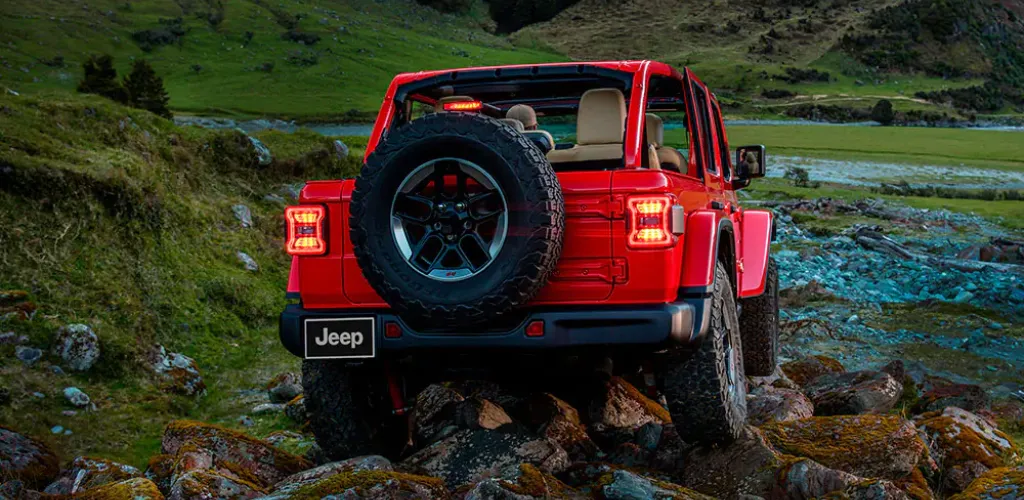
- Demand-driven pricing: Jeep limits supply to keep demand and prices high (mid-spec ~€40k+).
- Unique features and off-road capability justify premium, including detachable doors and grille.
- Body-on-frame design, ruggedness, and modularity raise costs and perceived value.
- Few direct rivals match Jeep; the used market offers a practical alternative.
Jeep vehicles are recognized as among the most capable and iconic SUVs on the market. Yet their relatively small presence on Romanian roads raises legitimate questions about their premium pricing and accessibility for the average consumer. While the exterior design impresses, the economic reality behind these vehicles deserves a detailed analysis.
Although Jeeps offer exceptional off-road capabilities and an instantly recognizable aesthetic, many people quickly discover that the cabin does not always reflect the premium price, and ride comfort can be a trade-off compared with other SUVs in the same price range. Still, prices remain high, and in this article we will explore the concrete reasons behind this pricing strategy.
Demand-supply strategy: the premium pricing lever
The main driver of Jeep’s high prices is a classic but highly effective business strategy: controlling supply to keep demand high. The brand’s distinctive elements—detachable doors, the iconic seven-slot grille, and remarkable off-road capabilities—create a strong purchasing desire, even for those who will never venture off-road.
How the mechanism works
- Jeep intentionally maintains production volume below real market demand. This strategy allows setting prices that can reach €40,000 or more for a mid-spec model. When demand consistently outpaces supply, the manufacturer gains the pricing power without exposure to the usual competitive pressure.
Repairability philosophy
- Standardized and interchangeable parts: All necessary components were to be easily found and to have simple functionality.
- Field repairs: An experienced mechanic should theoretically be able to assemble a Jeep completely using only basic tools.
- Easy access to components: The engine, transmission and suspension systems are designed for quick access.
This construction philosophy adds costs in the design and production stages but offers longevity and reliability, partially justifying the purchase price.
Lack of direct competition
The third major factor in the pricing equation is the absence of real competition at the same level of capability and price. While the market offers many SUVs, very few can match Jeep’s specific combination of features.
What sets a Jeep apart from the competition
- Authentic off-road capabilities: not just basic AWD systems, but dedicated 4WD transmissions, low-range, lockable differentials and competitive approach/departure angles.
- Body-on-frame construction: The majority of modern SUVs use unibody construction for comfort, but Jeep maintains a body-on-frame chassis for maximum ruggedness.
- Modularity and customization: Detachable doors, removable roof and a wide range of aftermarket accessories create a unique experience.
Competitors such as Toyota Land Cruiser or Land Rover Defender come close to these capabilities but come with even higher prices or different brand positioning.
Practical alternative: the used market
For those interested in the Jeep brand but budget-constrained, the used-vehicle market offers viable solutions. The optimal approach includes:
2-3 year window
- Maximum depreciation period: a Jeep aged 2-3 years has passed through the steepest decline in value.
- Mileage under 100,000 km ensures the vehicle has not been overworked.
- Residual warranty: Many units still retain manufacturer warranty.
Essential checks on the used market
- Off-road history: Request evidence of how the vehicle was used.
- Frame and suspension condition: Check for cracks, bends or signs of impact.
- 4WD operation: Test all traction modes, including low-range.
- Anti-corrosion treatment: Crucial for longevity, especially after use in difficult conditions.
Maintenance and operating costs
While the purchase price may seem prohibitive, annual maintenance costs are surprisingly reasonable for a vehicle in this category.
Average annual costs
- Preventive maintenance: €2,500-€3,000/year for regular service, consumables and wear parts.
- Failures: Relatively rare due to robust construction and mechanical simplicity.
- Consumables: engine oil, filters, brake pads and tires are the main recurring costs.
Intensive off-road scenario
If you plan to push off-road capabilities to the limit, be prepared for:
- Accelerated suspension wear: shocks, bushings and steering joints wear faster on rough terrain.
- Additional protections: investments in skid plates, underbody protection and other accessories.
- All-terrain or mud-terrain tires: More expensive and with shorter lifespan than standard tires.
Insurance considerations
A crucial detail often overlooked: most standard insurances do not cover damage sustained during off-road use. If you plan serious adventures, you will need:
- Specialized insurance: More expensive, but covering recreational off-road use.
- Comprehensive (CASCO) coverage: With clauses for mixed use.
- Warranty extensions: For drivetrain and suspension components, more exposed to extreme use.
Conclusion: is the investment worth it?
Jeep vehicles justify their premium prices through a unique combination of authentic off-road capabilities, historic heritage and rugged construction. The demand-control strategy keeps prices premium, but for adventure enthusiasts and those who truly need a vehicle capable of going anywhere, a Jeep remains a justified choice.
However, buyers should be realistic: if usage will be predominantly urban or on paved roads, there are more comfortable and efficient alternatives at the same price. Jeep excels when you get off the beaten path—literally. For those who truly want to reach places others only dream of, the investment is worth it, but with the clear understanding that these capabilities and pleasures come at a significant upfront and long-term cost.
Photo source: https://www.jeep.com/