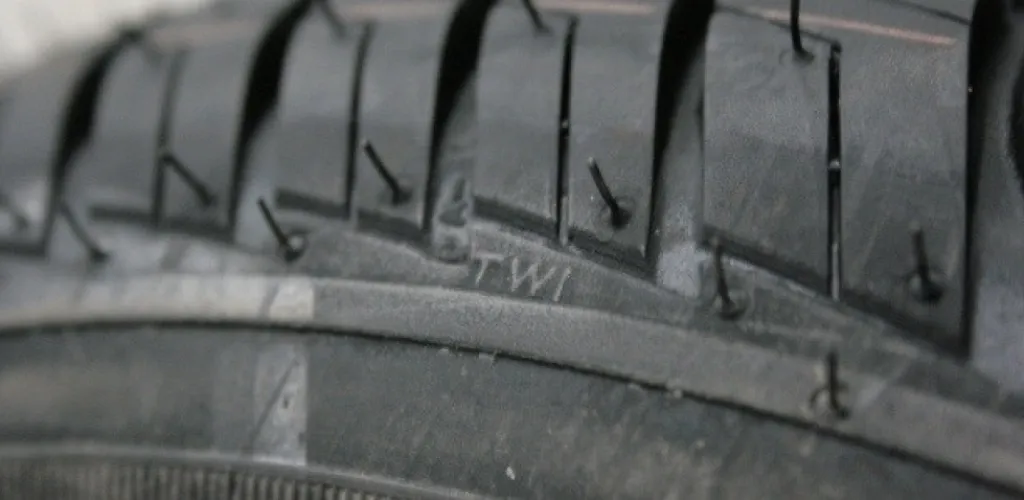
- Burrs are small rubber hairs left from vent holes in tire molds.
- Burrs indicate freshness but don’t affect noise or indicate wear.
- They wear off within hundreds of kilometers, influenced by driving, road, weather.
- Do not remove burrs manually; removing can damage tire; let them wear away.
Have you ever wondered why new tires have those tiny rubber hairs on the surface? You’re not alone. These hairs, technically called burrs, are a common feature on all new tires and have a fascinating explanation tied to the manufacturing process. While many drivers believe they serve a functional purpose, the truth is that they are simply a by-product of tire production.
In this article, we explain what burrs are, how they form, and what they can tell you about a tire’s freshness. We also debunk common myths and explain how burrs disappear after the tire is mounted and driven for a while.
What tire burrs are
These small strands of rubber are known in the industry as burrs. The term itself suggests that there is something that should not be there—a surplus material that remains after the production process. Burrs are found on all types of new tires, from summer and winter tires to all-season tires or commercial vehicle tires.
How burrs form in the production process
The tire manufacturing process is complex and involves the use of special molds. During production, liquid rubber is injected into the mold, and air pressure is used to force the material into all corners and crevices of the mold.
Role of vent holes
To fill the mold completely with rubber, the small air pockets must be eliminated. For this reason, molds have strategically placed vent holes that allow air to escape during the injection process.
When air pressure forces the liquid rubber to fill all openings of the mold, a small piece of rubber peels out through these vent holes. These pieces of rubber harden along with the rest of the tire and stay attached to the surface when the tire is removed from the mold.
Myths about the role of burrs
Noise reduction
Many people wrongly believe that these hairs reduce the noise produced by the tire on the road. In reality, burrs have no impact on the tire’s acoustic performance.
Wear indicators
Another common myth is that burrs serve as wear indicators. Again, this is not true — modern tires have dedicated wear indicators, in the form of small rubber protrusions located in the main tread grooves.
Burrs as an indicator of freshness
Although they do not affect performance, burrs serve as an excellent indicator that the tire is truly new. Tires that have been used for a period of time, combined with environmental effects—such as road wear, UV exposure, temperature fluctuations, and contact with various chemicals on the road—will wear away the rubber hairs.
How long burrs stay on tires
Generally, burrs disappear in the first hundreds of kilometers, depending on:
- Driving style
- Road type (smooth asphalt vs. rough)
- Weather conditions
- Tire pressure
- Wheel alignment
Should you remove burrs manually?
It is not recommended to remove burrs manually from new tires. They will wear off naturally during the first kilometers of driving, and forcing them off could damage the tire surface. Let the process unfold naturally through normal vehicle use.
Conclusion
Burrs on new tires are simply a by-product of the manufacturing process—small pieces of rubber that protrude through the vent holes of the mold. While they do not have a functional role, they serve as a visual guarantee that the tire is truly new and has not been used before. Shortly after mounting and the first miles driven, these hairs will disappear completely, leaving the tire with the smooth surface characteristic of a new, unused tire.
Photo source: oponeo.co.uk