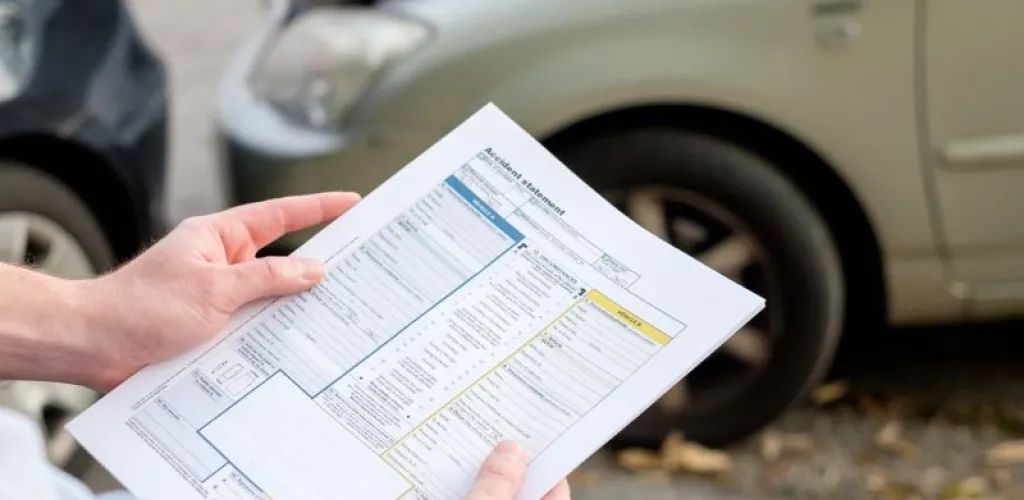
- Take photos after accidents to document events, aid insurance and defense.
- Photos protect against false accusations and serve as concrete evidence.
- First steps: check victims and call 112 when needed; do not delay.
- Take photos from all corners showing road, signs, markings and layout.
Road traffic accidents are common in Romania, and their numbers are rising. Even if you hope you’ll never be involved in such an event, it is essential to know how to act correctly. The actions you take (or fail to take) can be decisive in how the situation is resolved and can make the difference between fair compensation and substantial financial losses.
In this comprehensive guide, we will explain why photographs after an accident are absolutely necessary and how to take them correctly to protect your interests.
Panic and initial reactions after an accident
Regardless of how the accident occurs, whether there are victims or the level of damage, the moment of impact will be a striking experience. Most people, especially if it is their first accident, will panic intensely and freeze. This state of panic cannot be eliminated on command, but it can lead to mistakes with serious consequences.
It is crucial to try to keep calm and act with as clear a mind as possible. Even in serious accidents, a prompt and calm response can save lives.
Essential first steps after the accident
Checking the condition of the victims
The first step, if you are physically able, is to immediately check the condition of the other passengers involved in the accident. Quickly assess:
- If there are unconscious people
- If there are those who require emergency medical aid
- If the vehicles present immediate risks (smoke, fuel leaks)
Call the emergency number (112) immediately when appropriate. Do not delay this call — every minute counts for the victims.
Taking photographs — the second crucial step
The second very important step is to take photographs. This is essential for several reasons:
In the case of minor accidents or when the damage is only material, you are not obligated to call the police. In this situation, photographs become the principal instrument for documenting the event.
Protection against false accusations: With the help of photographs you will be able to explain to the insurance company exactly how the accident occurred so you can be compensated correctly. In the unfortunate event of a lawsuit, you can use them in your defense.
Concrete evidence: Even if the police arrive at the scene and things are more serious, it is important to have your own photos from all angles. They can protect you if you are wrongly accused of certain mistakes or violations.
Complete guide to photographing the accident scene
General photos of the scene
You should take photos from all four corners of the accident site. Make sure the following are visible:
- The road or intersection where the incident occurred
- Existing road markings (continuous/discontinuous lines, pedestrian crossings)
- Relevant traffic signs (priority signs, speed limits, stop signs)
- The layout of the road (curves, visibility, width)
Documentation of material damage
Photograph all vehicles involved from multiple angles:
- Each side of the vehicle (front, rear, sides)
- Details of the damages (deformations, scratches, cracks)
- The license plates of all vehicles
- The exact level of damage for accurate estimation
Detached parts — essential evidence
Look for all parts that have detached from any of the vehicles and document them correctly:
- Photograph the detached components exactly where they are located
- Try to include the cars in the photos to gauge the distance between the detached parts and the vehicles
- This can help experts determine the speed and force of the impact
Tire marks on the roadway
Document any skid marks on the roadway caused by the incident. These can indicate:
- The approximate speed of the vehicles
- The moment the driver attempted to brake
- The direction of travel of the vehicles
- Whether an attempt was made to avoid the collision
Context and surroundings — details that matter
Don’t forget to photograph the surroundings, especially:
- Stop signs and speed limit indicators
- Weather conditions (rain, fog, snow)
- Time of day and visibility conditions
- Traffic in the area
These details establish the full context of the accident and may highlight the possible negligence of the at-fault party.
Damage to infrastructure
Take photos of the material damages to:
- Utility poles
- Guardrails
- Street lights
- Traffic signs
- Any other structure involved in the accident
These damages can be included in the overall assessment of the accident and can influence the determination of fault.
Documentation of injuries and victims
Additionally, take photos of any injuries you or your passengers have sustained. This will show the insurance companies the full extent of the fault of the responsible party.
Important: If there are people seriously injured, the first thing you should do is call the emergency number (112). Medical photographs can be taken later, at the hospital or after providing first aid.
Why are photos so important?
Protection against false statements
Even if a driver admits responsibility at the scene, they can report otherwise to the insurance company or to the police. Insurers cannot prove otherwise if they were not present at the scene.
With two damaged cars and a pair of contradictory stories, it will take a long time for insurance companies to determine who is telling the truth. Detailed on-site photos can serve as concrete evidence that you were not the one who caused the collision.
Speeding up the compensation process
With complete photographic documentation, expert assessments can be performed more quickly and accurately. This means:
- Faster compensation
- More accurate damage evaluations
- Fewer disputes from insurers
- Lower chances of going to court
Amicable settlement versus police involvement
When you can make an amicable settlement
In minor accidents, it is best to make an amicable settlement together with the other driver. The advantages are:
- The liable party is established quickly
- There is no need to engage in disputes
- You present directly to the insurer with the amicable settlement document
- The compensation process is faster
When you should involve the police
This is not always possible, so in some situations you must contact the police:
- When there are victims or injured persons
- When the other driver refuses the amicable settlement
- When you have uncertainties about the application of the law
- When damages exceed certain value thresholds
- When there are suspicions of alcohol or substance use
Golden rule: Whenever you have even the smallest doubt, call the police. Do not accept “under-the-table” settlements — always act in accordance with the laws in force.
Practical tips for taking photos
Equipment and settings
- Use your mobile phone — it’s always at hand
- Make sure the flash works for low-light conditions
- Take more photos than you think you’ll need
- Check that the photos are clear before leaving the accident site
Organizing the photos
- Photograph systematically, area by area
- Do not delete any photo at the scene
- Save all photos to the cloud as soon as you can
- Keep copies of the photos on multiple devices
Legal aspects
- You have the right to photograph the accident scene
- You can photograph the involved vehicles and damages
- Be respectful when photographing injured people
- Do not block emergency response teams to take photos
Conclusion
Photos after a car accident are not a mere formality — they are essential protection for your rights. They can make the difference between a correct and rapid resolution of the situation and months of disputes with the insurer or the courts.
Always remember: after you have checked that everyone is safe and you have called emergency services if necessary, take out your phone and document everything. These photos could save much more than your car — they could save your financial and legal situation.