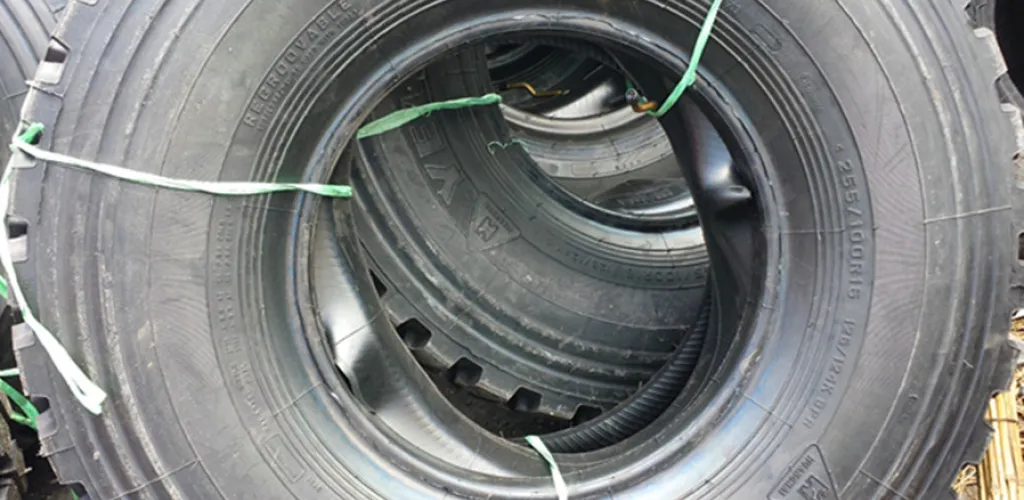
- Wide tires increase traction and braking grip due to larger contact patch.
- They can worsen hydroplaning risk, snow traction, and generate more road noise.
- They are usually more expensive and can raise fuel consumption and wear.
- Best used on dry, sporty, or tuned setups; otherwise factory size preferred.
Choosing the correct tire size is one of the most important decisions that influence your car’s performance, safety, and handling. Many people wonder whether they should switch to wider tires than the factory-installed ones, but the answer isn’t always simple and depends on several specific factors.
The size and width of the tires determine how your vehicle will react in different situations. To make an informed decision, you must consider several important factors:
- The vehicle’s purpose (urban, highway, or sporty use)
- Stability and weight of the vehicle
- Availability of tires of different sizes
- Budget for replacement and maintenance
- Predominant driving conditions
In most situations, it is recommended to use tires of the same size and width as those the vehicle left the factory with, to ensure optimal traction and predictable handling.
What are wide tires?
The width of the tire is marked on the sidewall with a standardized code, for example: P225/55R16. In this code:
- 225 represents the tire width measured in millimeters
- 55 is the tire profile (the aspect ratio between the sidewall height and the width)
- R indicates radial construction
- 16 represents the wheel diameter in inches
A wide tire is a tire that exceeds the factory standard width. In our example, any tire with a width over 225 mm would be considered wide for that vehicle. The standard tire size for your car can be found on the driver’s door or on a sticker placed in the hinge area.
Advantages of wide tires
Improved performance
Wide tires offer a larger contact patch with the road, which translates to:
- Improved traction during acceleration: More rubber in contact with the asphalt means more efficient power transfer from the engine
- Superior braking grip: The expanded contact area reduces stopping distance on dry roads
- Stability in corners: More predictable handling and less body roll in fast corners
Aesthetic appearance
Wide tires give the vehicle:
- A sportier and more aggressive look
- Enhanced visual presence
- The possibility to fit larger wheel sizes
Disadvantages of wide tires
Compromised performance in certain conditions
- Aquaplaning: The wider surface can reduce the water evacuation capacity, increasing the risk of hydroplaning
- Performance on snow: Lower specific ground pressure on the road can reduce traction on snow and ice
- Rolling noise: Generally, wide tires generate more road noise at high speeds
Increased costs
- Higher purchase price: Wide tires are usually more expensive than standard ones
- Fuel consumption: Increased rolling resistance can slightly raise fuel consumption
- Faster wear: The larger contact area can lead to faster wear in certain conditions
When is it worth choosing wide tires?
Ideal conditions for wide tires:
- Dry and clean road surfaces predominantly
- Sporty driving or improved performance
- Vehicles with sport suspension or tuned setup
- Sufficient budget for additional costs
When to avoid wide tires:
- Frequent driving on snow or in winter conditions
- Urban driving with many potholes
- Priority on fuel economy
- Limited budget for maintenance
Recommendations for the right choice
Consult specialists
Before making a change, consult a tire specialist who can assess:
- Compatibility with your vehicle
- Impact on warranty
- Modifications needed to inflation pressure
- Effects on electronic systems (ESP, ABS)
Respect the manufacturer’s limits
Replace tires only with sizes approved by the manufacturer to avoid:
- Safety issues
- Warranty void
- Failures of assistance systems
Test before deciding
If possible, test similar vehicles equipped with wide tires to understand differences in handling and comfort.
Wide tires can offer significant advantages in certain conditions, but they are not always the optimal choice for every driver or vehicle. The decision should be based on your driving style, driving conditions, and personal priorities, taking into account both benefits and trade-offs.