- Water bottles can cause humidity, corrosion, mold, and BPA contamination at high temps
- Medications deteriorate quickly in car temperatures, reducing efficacy and potentially toxic compounds
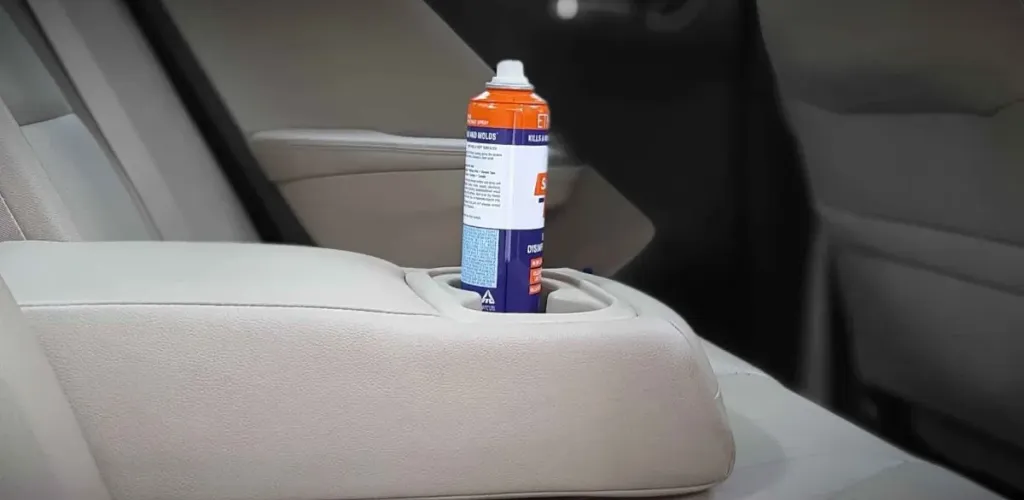
- Cosmetics and sprays can explode under heat, releasing toxic fumes and injuring occupants
- Glasses can distort, frames warp, and lenses fog permanently in high temps
Many drivers turn the car into extra storage space, leaving various objects in the cabin or trunk for months. This seemingly harmless habit can have serious consequences for safety, health, and even the vehicle’s performance. Extreme cabin temperatures, which can reach 70-80°C in summer or drop below freezing in winter, transform ordinary items into potential hazards.
Next, we analyze seven categories of objects that experts recommend never leaving in a car, explaining the technical and practical risks they entail.
Water bottles - risk of contamination and damage
Leaving water bottles in the car presents two major risks that many drivers ignore. The first risk is mechanical: open bottles can tip over, creating a high level of humidity in the cabin. This excess moisture not only causes condensation on the windshield (reducing visibility), but can also lead to corrosion of metal components and mold growth in the upholstery.
The second risk is chemical and much more serious for health. Cabin temperatures accelerate the release of bisphenol A (BPA) from the plastic material of the bottle into the water. BPA is an endocrine disruptor that can affect the human hormonal system. Studies show that at temperatures above 40°C, BPA migration intensifies dramatically.
Medications - deterioration of active compounds
Although it does not directly affect the vehicle’s operation, storing medications in the car can have serious health consequences. Most medicines are formulated to be kept at room temperature (15-25°C) under controlled humidity.
Extreme temperature fluctuations in the cabin – from around 30°C during the day to 10°C at night – rapidly deteriorate the active compounds of medicines. Insulin, for example, loses its efficacy within a few hours at high temperatures. Antibiotics and analgesics can form toxic compounds when exposed to extreme heat, becoming potentially dangerous for consumption.
Cosmetics and sprays - explosion risk
Sunscreen creams and sprays deodorants pose a double risk when left in the car. In addition to loss of active properties (UV filters degrade at high temperatures), these products contain propellants under pressure that can explode under extreme heat.

A deodorant spray can explode when the internal temperature reaches 50°C, a temperature that can be reached in a car on a hot summer day. The explosion not only fills the cabin with a toxic chemical mix, but metal or plastic fragments can cause serious injuries to occupants.
High-risk products:
- Deodorant sprays
- Hair sprays
- Sunscreen creams
- Cleaning sprays
- Perfumes in pressurized bottles
Glasses - distortions and lens damage
Glasses, including sunglasses, are particularly vulnerable to high cabin temperatures. Plastic frames can deform irreversibly at temperatures above 60°C, becoming unusable. Metal frames can become hot enough to cause burns on contact.
Lenses also suffer structural changes: plastic lenses can fog permanently, and lenses with special coatings (anti-reflective, UV protection) can lose their properties. Progressive lenses are especially sensitive; distortion can affect the carefully calibrated correction areas.
Personal belongings - theft target and increased fuel consumption
Using the car as a permanent storage space creates two distinct problems. First is security: visible personal items attract thieves and raise the risk of break-ins. Statistics show that 60% of car break-ins are motivated by the presence of valuable objects in the cabin.
The second problem is technical and directly affects vehicle performance. Additional weight in the trunk or cabin:
- Increases fuel consumption by 1-2% for every 45 kg of extra weight
- Affects the car’s dynamic behavior in corners
- Overloads the suspension system, accelerating wear
- Changes weight distribution, affecting grip
Matches and flammable items - fire hazard
Matches and flammable objects represent the greatest safety risk on this list. A regular match can explode when the temperature reaches 50°C, and the resulting flame can ignite upholstery or plastics in seconds.
The risk is heightened if the match is kept in direct contact with glass (where sunlight concentrates) or near other flammable materials. A cabin fire can spread to the fuel system very quickly.
Fire-hazard items:
- Gas or petrol lighters
- Alcohol sprays
- Perfumes with high alcohol concentration
- Alkaline batteries (can leak or explode)
- Phone batteries (risk of swelling and ignition)
Other problematic items
In addition to the seven main categories, other items can cause issues:
Electronic devices – Smartphones, tablets and GPS devices suffer permanent battery damage at extreme temperatures. Lithium batteries can swell and become dangerous.
Food products – Not only do they spoil quickly, but they can attract pests and leave persistent odors in the cabin, requiring professional cleaning to remove.
Musical instruments – Guitars and violins can crack irreversibly, and tuning becomes impossible due to structural deformations.
Recommendations for proper storage
To avoid these problems, follow these simple principles:
- Empty the car completely after every long trip
- Check the cabin before parking in the sun
- Use sunshades to reduce the interior temperature
- Keep only emergency equipment in the car (first aid kit, warning triangle, vest)
- Invest in a digital cabin thermometer to monitor the temperature
These simple measures can protect you from costly repairs, health issues, and dangerous situations, while keeping the car in optimal operating condition.