
- Clean or replace cabin air filter to maintain airflow and cooling
- Check refrigerant level; seek professional help if cooling remains weak
- Clean corroded battery terminals; test age and replace after three years
- Monitor oil level and change intervals; coolant keeps engine cool
Summer can be brutal for any vehicle. While people crave a cold drink and air conditioning to cool off, your car needs special attention to stay operational in extreme heat.
This means paying attention to how the vehicle operates and noticing small changes that can lead to major problems if ignored. Preventing costly repairs caused by heat damage can be simple and painless, as long as you know exactly what to look for.
Air Conditioning System Check
Cabin Air Filter Maintenance
One of the most important components for maintaining a comfortable cabin temperature is the air conditioning system. Summer use often leads to dust and other particles accumulating on the car filters, which can block airflow.
Cabin air filter is usually located behind the dash or under it. A quick removal and cleaning will clear issues related to airflow, as long as the filter is in good condition. If this is not enough, replace the filter as soon as possible.
Air Conditioning Temperature Monitoring
If the air conditioner is not blowing as cold as before - especially if the cabin filter is clean - there may be an issue with internal components.
Check the refrigerant level to ensure that it is at the correct level. The air conditioning system can be affected by numerous problems that cannot be resolved with a quick fix and should be checked by a professional.

Summer Battery Maintenance
When temperatures start to rise, the battery is subjected to more stress than on a day with moderate temperatures. The heat is unavoidable, but vibrations can also contribute to battery damage.
Checking Connections and Corrosion
All connections should be free of rust and corrosion, which can be exacerbated by heat and can damage the battery. Clean terminals with a baking soda and water solution if you see signs of corrosion.

Battery Capacity Testing
If the battery is relatively new (under three years), you do not need to worry about longevity testing. However, batteries older than three years should be checked to know how much life they have left.
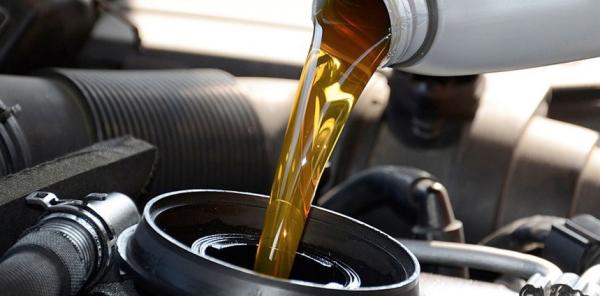
Lubrication System and Oil Changes
The lubrication system of your car is designed to allow metal components to move together while reducing friction that generates heat and can damage or even destroy the engine.
Frequent Oil Level Checks
- Check the oil level frequently with the dipstick
- If the level is low, top up with the recommended oil
- If the oil is black or very dark, perform a full oil change
- Do not skip the manufacturer’s recommended change intervals
During the summer, oil degrades faster due to high temperatures, so closer monitoring may be necessary.
Engine Cooling System
Importance of Coolant
Coolant is responsible for carrying heat away from the engine, preventing damage to components. Unlike oil, coolant does not need to be changed very often.
Change Intervals
How long you can wait before changing coolant depends on the make and driving conditions. In general, coolant lasts between 40,000 and 80,000 kilometers.

Check the manufacturer information on the coolant label you use or consult a mechanic to know when it is time to change the coolant.

Signs of a Cooling System Problem
- Engine temperature rises above normal
- Coolant leaks under the car
- Coolant level drops consistently
- Foaming or oil in the expansion tank
Tire Checks in Heat
Heat expands the volume of air trapped in tires, which can occur both while driving and due to hot weather. Overinflated tires in summer can become even more dangerous due to the high asphalt temperatures.
How to Correctly Check Tire Pressure
Check tire pressure for each tire when the car is cold and has not been driven for several hours for the most accurate results.
Inflate or deflate tires according to the PSI recommendations set by the tire manufacturer. These recommendations are usually found on a label inside the driver door.

Effects of Incorrect Tire Pressure in Summer
- Too high pressure: uneven wear, risk of blowout, reduced grip
- Too low pressure: increased fuel consumption, sidewall wear, overheating
Other Important Summer Checks
Charging System
The alternator and voltage regulator are under extra stress in summer due to heavy use of air conditioning. Regular checks of the charging system can prevent battery failure.
Belts and Hoses
Heat can degrade belt and hose rubber. Visually check for:
- Cracks or splits
- Bulges or deformations
- Signs of extreme wear
Conclusion
Summer is meant to be a season of fun and relaxation, and nothing is more exhausting than a car that overheats on the side of the road during a trip.
Taking these tips into account, your vehicle will handle summer heat much more efficiently. Most importantly, none of these checks is particularly expensive or time-consuming, as long as you stay vigilant.
If you are dealing with overheating issues, have the vehicle checked as soon as possible to prevent engine damage.