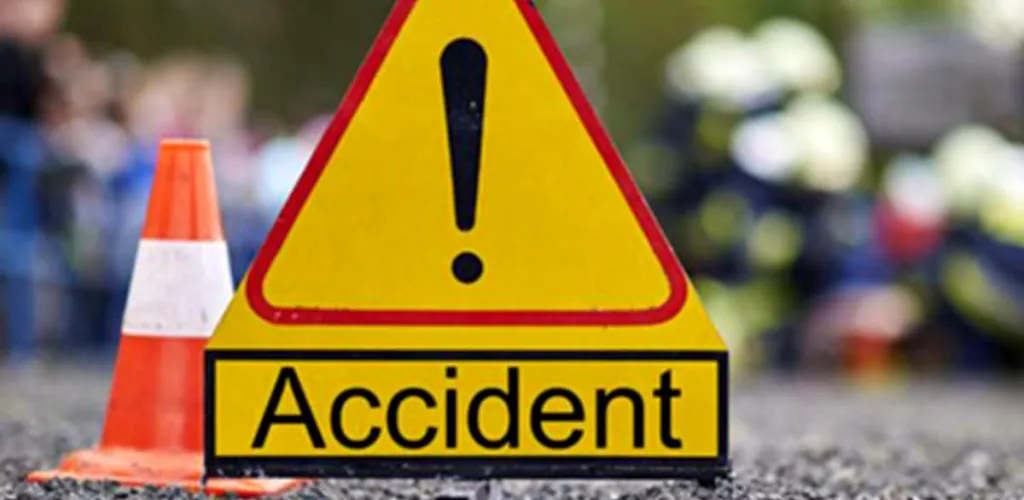
- Call 112 immediately with precise location, number of victims, conditions, and hazards
- Check your safety first; move only if you can act without serious injury
- Stay on the line with the dispatcher and follow their first-aid instructions
- Do not move victims unless fire, sinking, explosion, or airway obstruction necessitates it
Statistics show that the number of road accidents in Romania has risen alarmingly in recent years, many of which involve victims. If you find yourself in the unfortunate situation of being involved in a road incident with victims, the way you respond in the first minutes can mean life or death. Knowing the correct procedures not only can save lives, but also protects you from potential legal consequences.
Step 1: Contact emergency services immediately
Essential information to relay to 112
- Exact location of the accident (city, street, kilometer marker, landmarks)
- Approximate number of victims
- Apparent condition of the victims (conscious/unconscious, visible bleeding)
- Number of vehicles involved
- Existence of any imminent dangers (fire, fuel leaks, risk of collapse)
The more accurate and detailed the information you provide, the faster and better prepared the response teams will be to handle the situation.
Step 2: Assess the situation and your health
Before trying to help others, make sure you yourself have not sustained serious injuries that would prevent you from acting effectively. Quickly verify:
- If you can breathe normally
- If you have severe pain or numbness
- If you are bleeding
- If you can move without problems
If you have sustained serious injuries, inform the 112 operator immediately and wait for specialized help. Moving yourself when you have fractures or internal injuries can worsen the situation.
Step 3: Assessing the victims
After you have ensured you can act, quickly evaluate the other victims’ conditions. It is essential to stay on the line with the 112 dispatcher at all times, who will give you precise instructions on how to proceed.
Basic checks
- Check if the victims are conscious (talk to them, try to obtain a response)
- Observe if they are breathing (approach the face, check chest movements)
- Identify any visible bleeding
- Assess whether there are imminent dangers (fire, smoke, fuel leaks)
Providing first aid - When and how to intervene
In most situations, you should not move the victims out of the car or try to change their position. This is a fundamental rule in first aid because:
- There may be spinal fractures that, if moved incorrectly, can cause permanent paralysis
- Rib fractures can puncture the lungs if the victim is moved abruptly
- Internal bleeding can be worsened by movement
- Traumatic brain injuries can have serious consequences if not immobilized correctly
Exceptions - When YOU MUST move the victim
There are situations where leaving the victim in the vehicle represents a greater danger than moving them:
- Fire or imminent fire risk – If you see flames or smell fuel and there are sparks
- Vehicle sinking in water – The risk of drowning is greater than the risk of worsening injuries
- Explosion risk – For example, if the vehicle carries hazardous materials
- Airway obstruction – If the victim is suffocating and cannot breathe
Even in these extreme situations, try to move the victim as carefully as possible, supporting the head and neck in line with the body.
First aid maneuvers you can perform
If the 112 operator guides you, you can perform:
- Bleeding control: apply firm pressure with a clean material on the bleeding area
- Recovery position – Only if the victim is unconscious but breathing and there are no signs of spinal injuries
- Cardiopulmonary resuscitation (CPR) – Only if you have training and only on the instruction of the 112 operator
Legal obligations after a road accident with victims
In the event of a road accident involving victims, the law imposes strict rules that must be followed. Non-compliance can lead to severe criminal charges.
Preserving the integrity of the accident scene
It is strictly forbidden to:
- Move the involved vehicles – Even if you completely block traffic, the roadway should NOT be cleared while there are victims
- Gather components of the cars – Mirrors, headlights, pieces of metal, or other scattered parts should be left exactly where they fell
- Wipe away marks on the asphalt – Braking marks, spilled fluids, and impact traces are essential evidence for the investigation
- Modify the position of objects – Luggage, phones, and personal items scattered should be left untouched
These traces and the vehicle positioning are essential for forensic experts and accident reconstruction specialists. Altering the scene can:
- Hinder accurate determination of fault
- Lead to criminal charges of altering evidence
- Negatively affect police investigations
Duty to remain at the scene
All persons involved in the accident are obligated to remain at the scene until:
- Police arrive and complete the preliminary investigation
- You are explicitly allowed to leave the scene
- You are transported to hospital for medical treatment
Leaving the scene before police arrive constitutes the crime of leaving the scene of an accident and is punishable under the Penal Code with imprisonment.
Prohibition of alcohol consumption
It is strictly forbidden to consume alcoholic drinks or substances that can affect the results of tests:
- From the moment the accident occurs
- Until the sobriety check (etilotest) by the police
- Until biological samples are collected, if applicable
Consuming alcohol after the accident, even for “nerve calming,” can be interpreted as an attempt to mask possible prior intoxication and constitutes a crime.
Additional safety measures
To prevent further accidents and protect victims:
Signaling the accident
- Turn on the vehicle’s hazard lights
- If you can do so safely, place the reflective triangle at a minimum of 50 meters behind the accident (100 meters on a highway)
- If it’s night and you have a reflective vest, put it on
Protecting victims from other hazards
- If it’s cold, cover victims with blankets or clothes to prevent hypothermia
- If it’s hot and sunny, provide shade
- Remove bystanders who may disturb or block access for rescue teams
What not to do in a road accident with victims
It is equally important to know what to avoid:
- Do not give water or food to victims – They may require urgent surgical intervention, and ingestion of fluids/food is contraindicated
- Do not remove a motorcyclist’s helmet – Only paramedics know how to do this without causing further injury
- Do not attempt to reduce fractures – You can cause permanent damage
- Do not admit fault at the scene – Any statement can be used against you; wait to speak with the police and your lawyer
- Do not pressure victims to move limbs if they report pain
Preparation for emergency situations
To be prepared in case of an accident:
In the car you should always have
- A complete and up-to-date first aid kit
- A reflective triangle
- A reflective vest
- A functional fire extinguisher
- A reliable flashlight
- An emergency blanket
Personal preparation
- Consider taking a first aid course – knowledge can save lives
- Memorize the number 112 and ensure your mobile phone is always charged
- Keep a medical information card in your wallet (blood type, allergies, medical conditions)
Legal aspects and insurance
After stabilizing medical conditions and completing the police’s initial investigation:
- Notify your RCA (mandatory car insurance) company as soon as possible
- Document everything you remember about the accident (weather conditions, speed, maneuvers performed)
- Keep all medical documents and police reports
- Consult a lawyer specialized in road accidents, especially if there are serious injuries or fatalities
Being aware of these procedures and legal obligations can help you act correctly in the critical moments following a road accident. Remember that the first minutes are crucial and the way you intervene can make the difference between saving a life and worsening the situation. At the same time, adhering to legal procedures protects you from unwanted legal consequences that could result from well-intentioned but mistaken actions.