- Used antifreeze is hazardous and contains toxic chemicals.
- Check antifreeze levels twice yearly, and replace when acidic or corrosive.
- Do not pour, dump, or let animals near used antifreeze.
- Take to a recycling center, PECO, or auto parts store for disposal.
Used antifreeze is a hazardous waste that requires careful handling due to the toxic chemicals it contains. Improper storage and disposal can seriously affect the environment and the health of people and animals.
Antifreeze, or engine coolant, is mixed with distilled water to maintain an optimal engine temperature, especially in extreme weather conditions. It lowers the freezing point of water while also raising its boiling point.
How the antifreeze cooling system works
As outdoor temperatures fluctuate toward heat or cold, the cooling liquid is pumped through the engine to stabilize its temperature. It also prevents corrosion when kept at optimal levels in the car’s cooling reservoir.
You should check the antifreeze level at least twice per year, right before the cold and hot seasons, and when the vehicle owner’s manual specifies this check.
Why antifreeze needs periodic replacement
Even if the level in the cooling system reservoir remains constant, the antifreeze may need to be changed. Antifreeze can become more acidic over time and actually contribute to corrosion, affecting other parts of the car’s cooling system.
Hazards of used antifreeze
Antifreeze mixes with water, but also contains chemicals such as:
- Ethylene glycol - highly toxic
- Propylene glycol - less toxic, but still dangerous
- Methanol - toxic to the nervous system
Ingesting even a small amount is poisonous to humans and animals. For this reason, proper handling is essential.

What not to do with used antifreeze
- Do not pour antifreeze waste into the toilet, sewer, or other public areas
- Do not let animals get near it - they may access it through a leak and drink it because it smells and tastes sweet
- Do not throw antifreeze outdoors, directly on the ground
- Do not mix it with other liquids or wastes
How to clean antifreeze spills
-
Personal protective equipment: Put on protective gloves and wear a mask to prevent inhalation of antifreeze vapors
-
Cover the spill: Cover the spill with an absorbent material such as baking soda or sand
-
Absorption: Cover with paper towels and leave for at least two hours
-
Cleanup: Wipe the material and paper towels with more dry paper towels and discard everything in the trash. Ensure the bag is sealed and wash your hands well
-
Disinfection: Wash the area with soap and water. Rinse any remaining stains with more water
-
Drying: Let the area air dry as much as possible
Where to take used antifreeze
Take the old, used antifreeze to a local recycling center, PECO, or auto parts store.
Different service shops may be willing to treat and store antifreeze, motor oil, and other used oils. Many service stations and auto parts stores have collection programs for such hazardous wastes.
Disposal options:
- Hazardous waste recycling centers
- PECO stations with collection programs
- Auto parts stores that accept wastes
- Authorized auto services
- Municipalities with special collection programs
Rules for proper disposal
1. Material separation
Ensure that pure antifreeze and old antifreeze are separated and stored separately. They require different storage treatments - old antifreeze may contain heavy metals and is considered hazardous waste.
2. Safe transport
Take the substance to the appropriate disposal facility or hire someone to pick up the antifreeze waste for you. Use hermetically sealed containers for transport.
3. Professional recycling
Some locations will have recycling machines that remove glycol from old coolant and, with an additive, make it reusable. However this process requires the antifreeze to be free of oils or other materials, otherwise it won’t work.
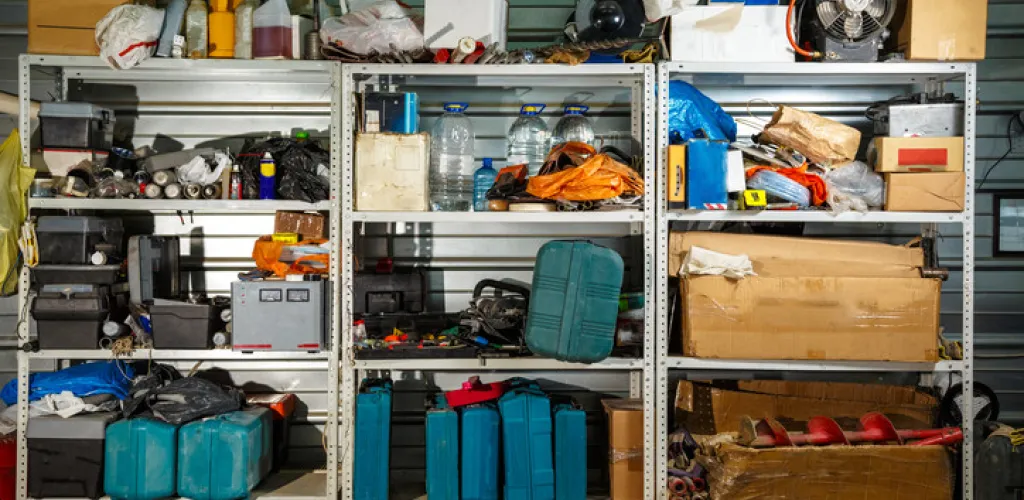
Safe temporary storage
If you cannot take the antifreeze to a disposal center immediately:
- Use original containers or containers designed for chemicals
- Clearly label containers with contents and date
- Store in secure areas, away from children and pets
- Avoid extreme temperatures that can affect containers
- Do not mix with other substances
Ecological alternatives
For the future, consider using propylene glycol-based antifreeze, which is less toxic than ethylene glycol-based antifreeze, although it still requires proper disposal.
Environmental responsibility
Proper disposal of used antifreeze is not only a legal obligation but also a moral responsibility. A single bucket of antifreeze can contaminate thousands of liters of groundwater, affecting local ecosystems in the long term.
By following these safe disposal practices, you contribute to protecting the environment and community health, ensuring your vehicle is maintained responsibly.