- Older cars may start without a clutch; modern cars require a clutch start switch.
- Use a level surface with parking brake, neutral or first gear, and start.
- Driving without a clutch relies on RPM synchronization to shift gears.
- Stop by anticipating, shift to neutral, and brake or engine brake.
Emergency failures can catch us unprepared, and a failing clutch is one of the mechanical issues that can leave you stranded on the road. While we do not recommend this practice in normal conditions, there are techniques that let you start and temporarily drive a car with a defective clutch, but only in absolute emergency situations.
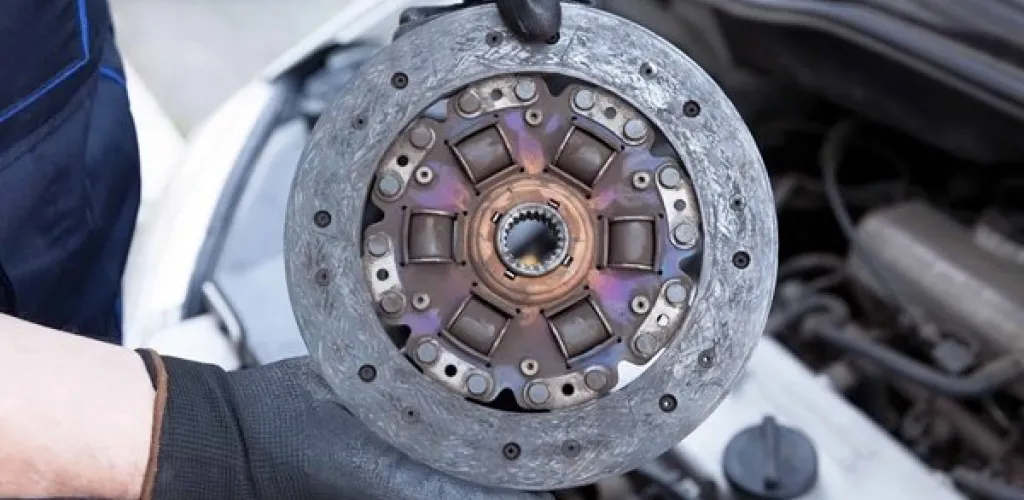
Manual transmission cars offer enthusiasts full control over the vehicle, but that comes with the responsibility to understand mechanical systems. The clutch is the crucial link between engine and gearbox, and its failure can turn a pleasant trip into a stressful one.
Why It Is Possible to Start Without a Clutch
Differences Between Older and Newer Cars
Older cars, produced before the 2000s, have safety systems that are less complex and often allow starting the engine even if the clutch is not pressed. The starters on these vehicles are typically stronger and can overcome the resistance of the gearbox.
On the other hand, modern cars are equipped with safety systems that prevent starting the engine without pressing the clutch. These systems, known as the clutch start switch, are designed to prevent accidental starting at speed.
Starting Without a Clutch: Technique
Step 1: Vehicle Preparation
- Make sure the car is on a level surface
- Engage the parking brake
- Put the gear selector in neutral or first gear
- Check that the area around the vehicle is clear
Step 2: The Starting Process
On cars that allow starting without a clutch, the process is as follows:
- Turn the key in the ignition to the start position
- Press the accelerator slightly at the moment of starting to help the starter
- Maintain a constant acceleration until the engine reaches idle RPM
For vehicles with modern safety systems, you can try the following:
- Press the clutch pedal lightly (even if it is defective)
- Start the engine normally
- Gently accelerate to overcome the system’s resistance
Driving Without a Clutch
Gear Shifts via RPM Synchronization
Once the engine is running, driving without a clutch relies on RPM synchronization. This process requires:
For shifting to a higher gear:
- Move the gear lever into neutral with a light touch
- Let the RPMs fall naturally
- Gently push the gear lever toward the desired gear
- When the RPMs synchronize, the gear will engage on its own
For shifting to a lower gear:
- Move the gear lever into neutral
- Apply a light throttle to raise the RPM
- Push the lever toward the desired gear
- Wait for synchronization to engage the gear
Driving Tips
- Anticipate traffic to minimize gear changes
- Use engine braking instead of frequent gear changes
- Maintain a steady speed whenever possible
- Avoid frequent starts and stops
Stopping the Vehicle
Stopping is the most challenging part of driving without a clutch. There are two main methods:
Neutral gear and braking
- Anticipate the stop point well in advance
- Shift the gear lever into neutral at low speed
- Brake progressively to a complete stop
- The engine will stay running in this situation
Stopping with the engine running
If you cannot shift into neutral:
- Brake gradually in gear
- The engine will stall along with the vehicle
- You will need to restart for the next departure
Risks and Precautions
Potential Mechanical Damages
- Transmission wear: Forcing the gear lever can damage the synchronizers and gears in the transmission. Repairing these components can cost between 2000-5000 lei.
- Starter motor overload: Frequent use of the starter to start in gear can reduce its lifespan by up to 50%.
- Clutch wear: Even if it is defective, forcing can worsen existing problems.
Safety Measures
- Do not drive in heavy traffic with this system
- Avoid parking on hills where starting is very difficult
- Inform passengers about the special situation
- Keep a large distance from other vehicles
- Use this technique only to reach the nearest service
When to Completely Avoid This Technique
Dangerous Situations
- Urban traffic with many stops
- High-speed highway driving
- Adverse weather conditions (rain, snow)
- Parking on steep inclines
- Long trips over 20-30 km
Safer Alternatives
Towing service remains the safest option, costing between 200-500 lei depending on distance.
On-site repair may be possible for minor clutch faults.
Quick Diagnosis of Clutch Problems
Signs of a Fault
- Soft or hard pedal – possible hydraulic issues
- Noise when pressing – worn bearings
- Clutch slipping – worn disc
- Vibrations – warped flywheel or misaligned engine
Simple Checks
Before attempting to start without a clutch, check:
- Brake fluid level (also used for the clutch)
- Clutch cable for visible breaks
- Pedal travel for normal free play
Conclusion: although technically possible, driving without a clutch should remain a last-resort solution, used only to reach the nearest auto service. The safety risks and potential repair costs make this practice justifiable only in absolute emergency situations when no viable transport alternatives exist.