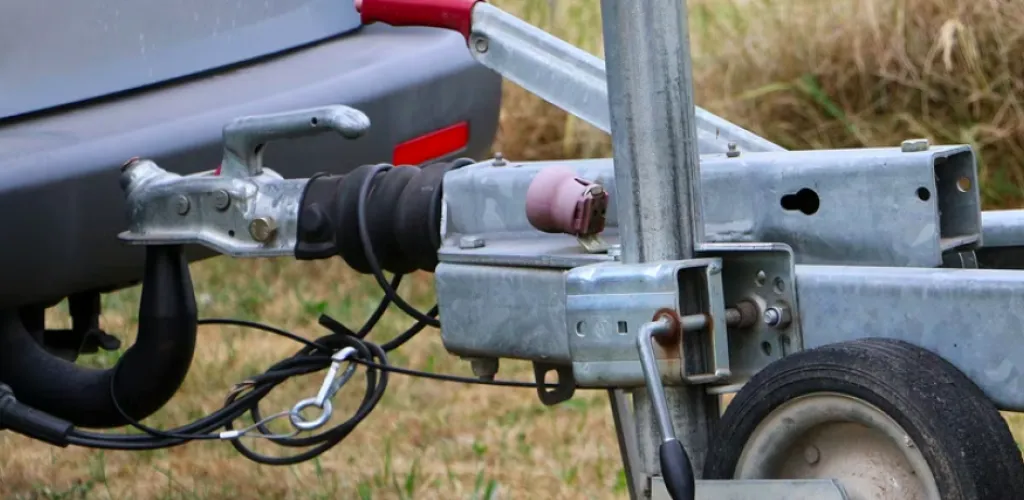
- Towing can increase wear, depending on weight, vehicle size, engine, age, and tires.
- Transmission is highly vulnerable; unmaintained units, low or contaminated fluid, and aggressive towing cause damage.
- Brakes face greater load; use trailer brakes for better stopping and even force distribution.
- Engine cooling can overheat; monitor temperature and coolant, maintain cooling system.
Is towing harmful to your car
Towing a trailer can be a necessity for transporting sports equipment, horses, or vacation caravans. If you’ve ever wondered whether towing can damage your vehicle, the short answer is yes: it can increase wear, but the effects depend on many important factors.
Whether you’re an experienced tower or about to tow a trailer for the first time, understanding your vehicle’s capabilities and the impact of towing is essential for your safety and to protect your car investment.
Does towing damage your car?
To understand the effects of towing, imagine walking on a treadmill at your normal pace — it feels relatively easy. Now imagine carrying a heavy backpack. Even the same pace becomes harder, and your legs, back, and knees start to ache or may give way if your fitness isn’t up to it.
Exactly the same happens with your car when you tow a trailer. Towing forces the vehicle and its components to work harder than in normal driving conditions. Towing can increase wear and damage, and its extent depends on factors such as:
- What you are towing and its weight
- The size and type of your vehicle
- The type of engine and drivetrain
- The age of the vehicle and its maintenance state
- The quality of your tires and their load capacity
Components most affected by towing
Transmission
The transmission is one of the most vulnerable components during towing. Damage can occur for several reasons:
- Unmaintained transmissions: If the transmission already needs service, towing will stress this vital component even more
- Transmission fluid level: A low or contaminated fluid in automatic transmissions can cause slipping and overheating
- Aggressive driving: Rapid acceleration or towing beyond the maximum capacity can cause serious damage
To protect the transmission, follow maintenance schedules and avoid abrupt accelerations when towing.
Brakes
Functional brakes are critical for your safety and that of other road users. Towing a trailer greatly increases the braking load, making the brakes work harder to stop the vehicle.
This puts extra strain on:
- Brake pads
- Brake rotors
- Hydraulic system
Sudden braking while towing can cause:
- Brake overheating
- Rotor glazing
- Premature wear of components
Important: Use trailer brakes when equipped for better stopping control and even distribution of braking force.
Engine
The engine must produce more power to pull a trailer, similar to the leg muscles in the metaphor above. An overworked engine can:

- Overheat without adequate airflow
- Suffer issues from low coolant levels
- Sustain significant damage if not properly maintained
Monitor engine temperature and ensure the cooling system operates optimally.
Tires
As the engine delivers more power, it places extra load on the tires. This force can cause:
- Wheel slip before traction is established
- Accelerated tire wear
- Internal damage to the tire structure
The extra weight of the trailer and its cargo puts constant pressure on the tires. Make sure you have the correct tires for your vehicle and that they’re in good condition before towing.
Suspension
The suspension system is like joints in a walking metaphor — while the engine does the heavy lifting, the suspension is stretched by the extra weight.
Towing adds stress to:
- Springs
- Shock absorbers
- Suspension arms
- Bushings and joints
Regular inspection of the suspension is crucial if you tow frequently. Towing with worn components can lead to premature failures that are as problematic as a torn knee or a twisted ankle.
Towing capacity
Understanding your vehicle’s capabilities is fundamental for safe towing. Here are the essential terms you need to know:
Towing capacity
Towing capacity is the simple number that indicates how much weight your vehicle can safely tow behind it, including the trailer and its load. This information is typically found in the owner’s manual.
Payload capacity
Payload capacity is more involved and indicates the maximum weight the vehicle can carry. This includes everything that didn’t come fixed to the car:
- Passengers and pets
- Luggage and gear
- Vehicle modifications (larger tires and wheels)
Calculating vehicle capacities
The vehicle manual lists both towing and payload capacities. However, changes such as wheel and tire upgrades can affect these specifications.
To calculate correctly:
- Check the specifications in the manual
- Consider any modifications you’ve made
- Consult a specialist if you have any doubts
Risks of towing over capacity
Towing over the maximum capacity is a serious issue with potentially catastrophic consequences. It can damage the vehicle and is also extremely dangerous.
Problems caused by towing over capacity include:
- Engine or transmission damage: Overloading can cause costly failures
- Chassis damage: The structure can be permanently deformed
- Trailer instability: Can lead to tipping or detachment
- Braking problems: Longer stopping distances or total brake failure
- Loss of control: The vehicle can become uncontrollable
If in doubt, consult your vehicle’s manual or a qualified auto professional.
Preparing your vehicle for towing
Even if you have towing experience, never assume your vehicle is ready. Always perform a complete safety inspection.
Checking the tow hitch
Choosing the correct hitch is not as simple as it seems:
- Check the vehicle manual for the correct hitch class (I-V)
- Choose the correct hitch type based on the trailer:
- Receiver hitch
- Hitch with wheels
- Gooseneck hitch
- Weight-distribution hitch
- Ensure proper installation according to the manufacturer’s instructions
- Seek professional assistance if you don’t feel comfortable with the installation
Inspection of components
Regularly inspect:
- The hitch and mounting points
- Bolts and nuts
- Safety chains
- Wiring harness
- Connections and connectors
Perform the maintenance recommended by the manufacturer and consult a professional if you’re unsure about the condition of the components.
Conclusion
Towing is not necessarily harmful to your car, but it can accelerate wear if not done correctly. The key is to respect your vehicle’s capacities, maintain regular upkeep, and prepare properly before each use.
Investing in the right equipment and understanding your vehicle’s limits will ensure years of safe and efficient towing, protecting both your investment and your safety on the road.