- Mercedes: C, E, S, Maybach, SUVs; BMW: numbered series, M, i, X, Z
- Reliability similar per J.D. Power; failure rates below average; maintenance costs predictable
- Mercedes tech emphasizes emissions, thermal management, and electronics; BMW emphasizes dynamics and xDrive
- Mercedes mbrace offers advanced connectivity and remote control features
Choosing a luxury car from the German premium segment remains one of the most challenging decisions for any car enthusiast. With a heritage of over a century in producing high-quality vehicles, both Mercedes-Benz and BMW have built strong reputations based on technical excellence, innovation, and superior performance.
Both German brands offer a compelling mix of luxury, advanced technology, and driving dynamics, but each has distinctive characteristics that define them. Let’s analyze in detail the essential aspects that will help you choose between these automotive giants.
Model range and diversity
Variety in models is a crucial factor when selecting a luxury car, offering the possibility to find the perfect vehicle for specific needs.
Mercedes-Benz lineup
- Class C – the compact executive segment, ideal for those who want Mercedes luxury in a more affordable package
- Class E – the mid-size class, representing the perfect balance between comfort and performance
- Class S – the flagship of the range, offering the highest level of luxury and technology
In addition to these models, Mercedes also offers estate variants, SUVs from the GLC, GLE, GLS ranges, as well as ultra-luxury Maybach models for those who won’t compromise.
BMW lineup
BMW takes a different approach, organizing models into numbered series:
- 1 Series, 2 Series, 3 Series – compact and entry-level premium models
- 4 Series, 5 Series, 6 Series – premium vehicles with emphasis on dynamism
- 7 Series, 8 Series – luxury grand touring and flagship sedans
Special lines include:
- BMW M – high-performance versions for each series
- BMW i – electric and hybrid lineup
- X Series – SUVs and SAVs (Sports Activity Vehicles)
- Z Series – roadsters and sport coupes
Reliability and durability

When investing in a luxury vehicle, reliability becomes a decisive factor for long-term profitability.
Reliability performance
- J.D. Power assigns similar scores for both brands in reliability studies
- Failure rate remains below the industry average for most models
- Maintenance costs stay predictable thanks to the extensive network of authorized service centers
Technical aspects to consider
Mercedes focuses on:
- Engines with advanced emissions-reduction technologies
- Complex thermal management systems
- Sophisticated electronics that may require periodic software updates
BMW concentrates on:
- Engines with superior dynamic response
- Very reliable xDrive all-wheel-drive systems
- Mechanical components with tight tolerances for optimal performance
Technologies and innovations
Mercedes mbrace system
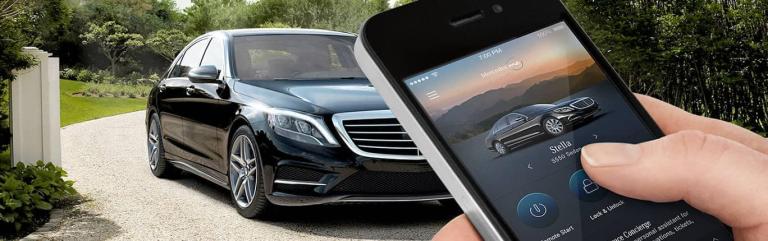
Mercedes-Benz mbrace represents a comprehensive technology platform offering:
- Advanced connectivity – remote control via mobile app
- Emergency services – automatic crash detection with alerting
- Vehicle information – real-time technical status monitoring
- Concierge services – assistance for reservations and recommendations
BMW iDrive technology and Head-Up Display

BMW stands out for its human–machine interface innovations:
iDrive System:
- Intuitive control via the central wheel and gesture control
- Full smartphone integration via BMW ConnectedDrive
- Over-the-air updates for new features
Head-Up Display:
- Information projected directly in the driver’s line of sight
- Augmented navigation with overlayed guidance on real-world view
- Full customization of displayed information
Safety systems
Safety remains the top priority for both manufacturers, each developing advanced proprietary technologies.
Mercedes PRE-SAFE and Night View Assist

PRE-SAFE by Mercedes includes:
- Pre-collision detection with automatic emergency braking
- Preparation of protective systems before impact
- Automatic seatbelt tensioning
- Automatic closing of windows and panoramic roof
Night View Assist provides:
- Infrared camera for improved night visibility
- Pedestrian and animal detection on the road
- Visual and audible alerts for potential hazards
BMW active safety technologies
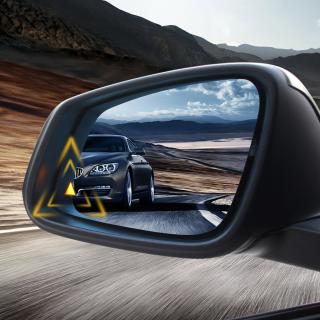
BMW implements a comprehensive package of systems:
- Lane Keeping Assistant – automatic lane keeping
- Blind Spot Monitoring – monitoring of blind spots
- Adaptive Cruise Control – automatic speed adjustment in traffic
- Parking Assistant – semi-automatic parking in parallel or perpendicular spots
Passive and structural safety
Both brands invest heavily in:
- Rigid high-strength steel frames
- Controlled energy-absorbing crumple zones
- Advanced airbag systems with collision-type detection
- Adaptive restraint systems based on occupant weight
Performance and driving dynamics
Performance is one of the main reasons to choose a German premium vehicle.
BMW performance philosophy
BMW stands out with:
- “The Ultimate Driving Machine” – emphasis on driving pleasure
- Perfect balance – 50:50 weight distribution on most models
- Dynamic response – precise steering and excellent road feedback
- High-performance engines – from economical TwinPower Turbo units to M Power monsters
Mercedes approach to performance
Mercedes-Benz emphasizes:
- Driving comfort – priority for a relaxed experience
- 4MATIC technology – intelligent all-wheel drive
- Adaptive suspensions – automatic adaptation to road conditions
- Refined engines – from EQ Boost hybrids to AMG beasts
Comparison in specific segments
Compact/entry-level class:
- BMW 3 Series vs Mercedes C-Class
- Advantage BMW for dynamism, Mercedes for comfort
Executive class:
- BMW 5 Series vs Mercedes E-Class
- Similar balance, with subtle differences in driving philosophy
Flagship class:
- BMW 7 Series vs Mercedes S-Class
- Mercedes wins in luxury and comfort, BMW in driver involvement
Design and elegance
Mercedes design language

Mercedes-Benz stands out for:
- Classic elegance – fluid lines and harmonious proportions
- Luxurious interiors – premium materials and flawless finishes
- Ambient lighting – 64 colors to customize the atmosphere
- MBUX screens – intuitive AI-powered interface
BMW aesthetics

BMW embraces a different philosophy:
- Sportiness and elegance – iconic kidney grille and dynamic lines
- Driver-oriented interiors – everything aimed at the driver
- Digital cockpit – configurable displays and intuitive controls
- Premium materials – leather, Alcantara, and carbon accents
Purchase and maintenance costs
Initial cost factors
MSRP:
- Both brands sit in the same price category
- Differences appear based on trim level
- Options can significantly raise the final price
Depreciation:
- Mercedes tends to hold value better over time
- BMW may depreciate faster, but the used-car market is active
- Special models (M, AMG) behave differently
Operating costs
Periodic maintenance:
- Similar costs at authorized service centers
- Parts priced comparably
- Availability of parts similar in Romania
Fuel consumption:
- Minimal differences between equivalent models
- Hybrid technologies available from both brands
- Efficiency depends more on the powertrain than on the brand
Conclusion and recommendations
Choosing between Mercedes and BMW ultimately comes down to personal priorities and driving style.
Choose Mercedes if:
- You prioritize comfort and luxury
- You desire cutting-edge technology and innovations
- You prefer a relaxed driving experience
- You want to make a statement of elegance
Choose BMW if:
- The pleasure of driving is a priority
- You seek dynamic response and sportiness
- You appreciate driver-centric design
- You desire the perfect balance between luxury and performance
Both brands offer exceptional vehicles that will satisfy even the most demanding requirements. The final decision should be made after extensive test drives with the models that interest you.
Which car do you have, Mercedes or BMW? Leave us a review about your car here to help other drivers in choosing the best car.