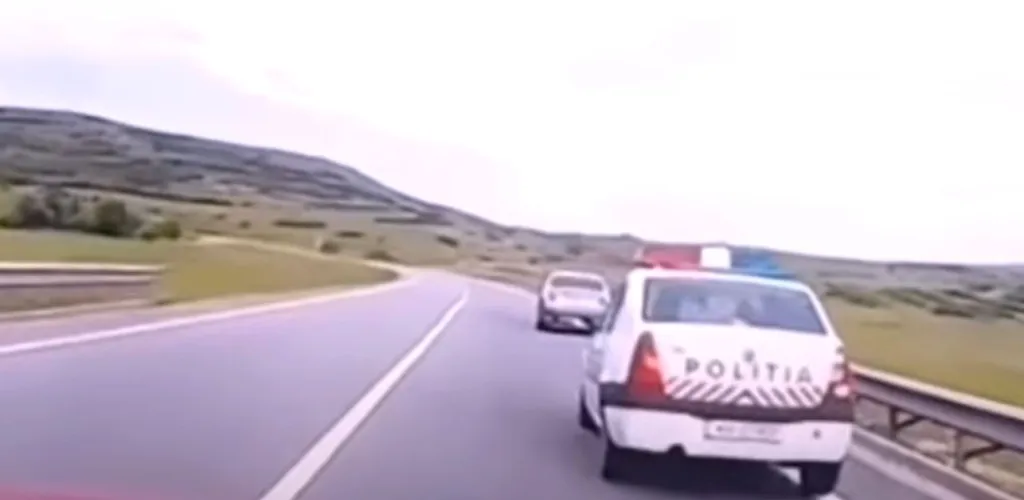
- A right signal means conditions look favorable for overtaking, not a guarantee.
- You alone are responsible for safe overtaking; check visibility, space, legality.
- Common risky scenarios include large vehicles, limited visibility, and poor weather.
- Ignore the signal if overtaking is prohibited or visibility is insufficient.
Introductory note In road traffic, there are unwritten habits and rules that ease interactions between drivers. Many of these conventions help fluidify traffic and increase safety, and one of the most common is signaling to the right to indicate to a driver behind that an overtaking maneuver can be performed.
However, the question remains: should you automatically overtake when you receive the right signal from the vehicle in front? The answer is not as simple as it seems.
Common scenarios where this issue arises
There are numerous situations in which a driver wants to overtake the vehicle in front but does not have sufficient visibility or complete safety to perform the maneuver optimally. The most frequent cases include:
- Overtaking large vehicles (trucks, coaches, agricultural machinery)
- Snaking roads or roads with reduced visibility
- Adverse weather conditions (fog, heavy rain)
- Heavy or unfamiliar traffic
In these situations, the driver of the larger vehicle may have a better view of oncoming traffic and can observe whether there is enough space for a safe overtaking maneuver.
What does the right signal really mean?
When the driver in front activates the right indicator in a potential overtaking situation, this gesture indicates that, from their perspective, conditions are temporarily favorable for overtaking. In other words, they signal that:
- They do not observe oncoming traffic in the visible distance
- The road appears clear for an overtaking maneuver
- General conditions seem safe
In particular, professional drivers of trucks and coaches, with extensive traffic experience, know how traffic patterns work and can assess more precisely if there is enough time for a complete overtaking maneuver.
Legal perspective
From a legal standpoint, the right signal from the vehicle in front does not represent a guarantee and certainly does not obligate you to overtake. Moreover, this signal does not absolve you of the obligation to respect all traffic rules concerning overtaking.
According to the Traffic Code, the responsibility for performing a safe overtaking always rests with the driver performing the maneuver. This means that:
- You must personally ensure that the overtaking is safe
- You must verify that overtaking is permitted in that area (markings, signs)
- You must have full visibility and enough space
- You must re-enter your lane without endangering other road users
When to consider the signal and when to ignore it
Situations in which you can consider the signal:
- The driver in front of you is driving a large vehicle that completely blocks your visibility
- You are on a road where professional drivers frequently operate
- Road and weather conditions are good
- You trust your own driving abilities
Situations in which you should ignore the signal:
- Overtaking is prohibited by markings or signs
- You do not have full visibility of the situation
- You do not feel comfortable or sufficiently experienced
- Road conditions are poor (rain, ice, fog)
- Traffic is unpredictable or heavy
Risks of following the signal blindly
Although most drivers who offer the right signal do so with good intentions, there are risks associated:
- Differences in perspective: The driver in front may have a different assessment of oncoming traffic speed
- Reaction times vary: What seems like enough time for an experienced driver may be insufficient for another
- Different vehicle capabilities: A stronger vehicle may complete the overtaking faster than a weaker one
- Legal responsibility: In case of an accident, responsibility remains with the driver who performed the overtaking
Practical recommendations for safe overtakes
Before overtaking:
- Always evaluate the situation personally, regardless of signals received
- Ensure you have enough space to complete the maneuver
- Check that no other vehicle behind is attempting to overtake you
- Correctly estimate the speed of the oncoming vehicle
During overtaking:
- Clearly signal your intentions
- Accelerate decisively to minimize time spent in the oncoming lane
- Constantly monitor traffic in both directions
- Be prepared to abort the maneuver if problems arise
After overtaking:
- Return to your lane only when you have enough space
- Do not brake abruptly after re-entering
- You can acknowledge the driver who helped you with a brief hazard-light signal
The alternative: defensive driving
The safest approach in traffic is always defensive driving. This style of driving involves:
- Anticipation: foresee the actions of other road users
- Caution: do not rely solely on others’ signals
- Patience: wait for the optimal moment to overtake, even if it takes longer
- Adaptability: adjust your behavior to conditions
Cultural and regional aspects
It’s worth noting that signaling for overtaking is more widespread in some regions or countries than in others. In Romania, this habit is relatively common, especially on national and European roads, particularly in interactions with professional drivers.
However, in other countries this practice can be less common or even interpreted differently, so adapting to the local context is important.
Conclusion
The right signal from the car in front can be a valuable aid in difficult overtaking situations, especially when visibility is limited by a large vehicle. However, this signal should be viewed as a useful indication, not a safety guarantee.
The final decision to overtake or not should always be yours, based on your own assessment and strict adherence to traffic rules. No matter how experienced the driver giving the signal is, only you can truly know your vehicle’s capabilities, your level of experience, and your personal comfort in performing the maneuver.
Always maintain a prudent and defensive approach in traffic, even if this means waiting a few extra minutes for a safe overtaking. Your safety and that of other road users is always more important than gaining a few seconds in traffic.
Photo source: https://www.ziaruldeiasi.ro/