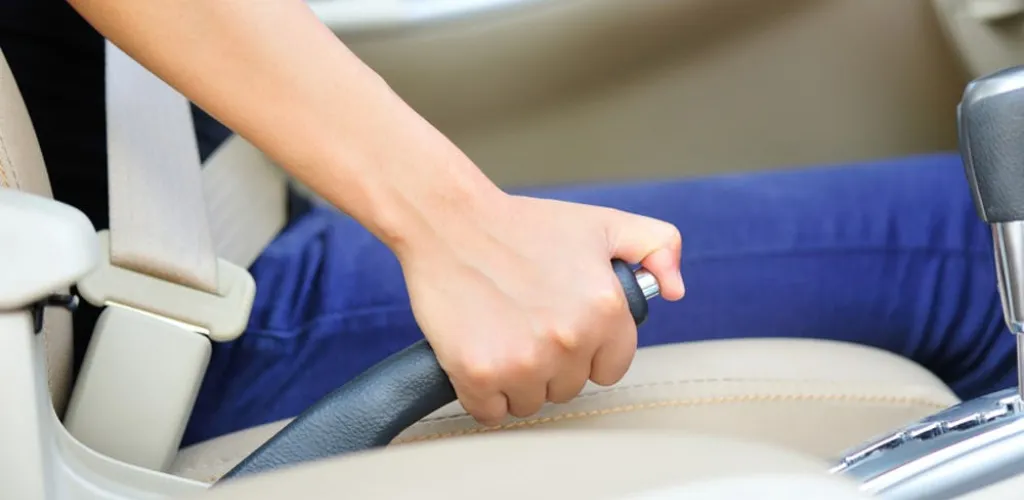
- Leaving the handbrake on overheats brake pads, causing burning smell and engine power loss
- Severity depends on speed, duration, and drivetrain, with heat boiling brake fluid and warping discs
- Front-wheel-drive cars may skid or lose drive; rear-wheel-drive cars risk worse damage
- Afterwards, check for a soft pedal, vibrations, or unusual noises indicating damage
Leaving the handbrake on is a common mistake that can have costly consequences for the braking system. This situation often occurs when driving an unfamiliar car or on a rushed day. The effects can range from minor inconveniences to severe damage to braking components.
The first signs that the handbrake was left on are a loss of engine power and the smell of burning, caused by overheating of the brake pads. The severity of the damage depends on several factors: speed, the duration of driving with the handbrake engaged, and the vehicle’s drivetrain.
How leaving the handbrake on affects the braking system
Driving with the handbrake engaged does not always cause long-term problems, especially over short distances or at low speeds. However, the situation can worsen quickly under certain conditions.
When the handbrake is engaged, continuous friction is created between the brake pads and the brake discs. The higher the speed, the greater the friction, generating temperatures dangerous to the braking system.
Effects of excessive heat on components
Temperatures can cause several problems:
- Boiling brake fluid: In extreme situations, heat can transfer to brake fluid, reducing its effectiveness
- Pad glazing: Heat creates a film that makes the pads very slippery, reducing braking capability
- Warping brake discs: High temperatures can warp the discs, causing vibrations when braking
The intensity with which the handbrake was applied also influences the severity of the effects. A lightly applied handbrake causes only minor damage, while a fully engaged handbrake can cause extensive damage.
Differences between front-wheel drive and rear-wheel drive
Front-wheel-drive vehicles
- The wheels may stop turning altogether
- The tires skid along the pavement, producing a characteristic noise
- The driver quickly notices the problem due to the obvious loss of power
Rear-wheel-drive vehicles
- The engine can easily overpower the braking resistance
- The problem becomes evident only when it is too late
- The risk of serious damage is higher
Prolonged driving with the handbrake on in a rear-wheel-drive car can cause premature wear of components and even catastrophic failure of wheel bearings or other parts of the braking system.
Signs that the brakes have been affected
After driving with the handbrake on, it’s important to inspect the braking system. Some indicators that components have been affected:
Soft or spongy brake pedal
If the brake pedal feels soft or spongy after releasing the handbrake, there may be:
- Problems with brake fluid
- Air in the braking circuits
- Damage to internal components
Vibrations or pulsing when braking
These symptoms usually indicate:
- Warping of the brake discs
- Uneven wear of the pads
- Need to replace brake pads
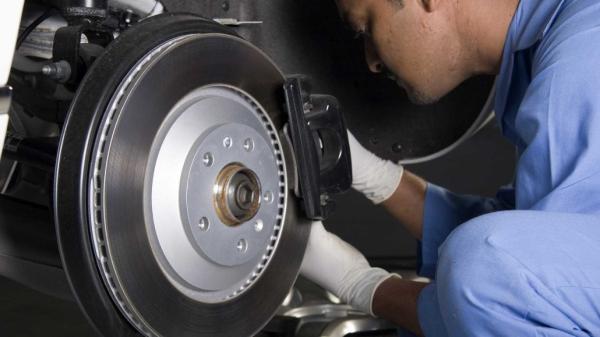
Unusual noises
Brakes affected by excessive heat can produce:
- Squeaks during braking
- Metallic noises
- Continuous rubbing sounds
When components should be replaced
Brakes wear naturally and require regular maintenance. Driving with the handbrake on accelerates this wear, potentially leading to premature replacements.
Brake pads
Replace when:
- The friction material thickness is below the recommended limit
- Cracks or discoloration due to heat are present
- They cause constant vibrations when braking
Brake discs
Replace if:
- They are deformed or warped
- They show visible cracks
- The thickness is below the safe limit
Brake fluid
Replace if:
- It has a dark color or contains impurities
- It has boiled and lost its properties
- The level has dropped significantly
Prevention and recommendations
- Always check that the handbrake is released before moving off
- Familiarize yourself with the handbrake positions on different cars
- Pay attention to warning indicators on the dashboard
- At the first sign of a problem, stop safely and check the brakes
Driving with the handbrake on can be costly, but understanding the effects and warning signs can help you avoid major damage and keep the braking system in optimal working order.