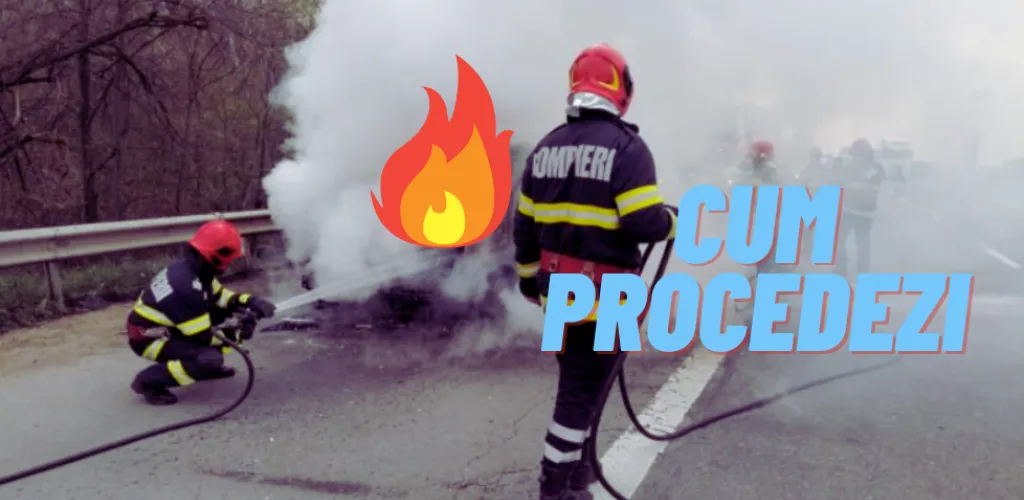
- Car fires are dangerous; about 150,000 US vehicles catch fire yearly.
- Main causes: electrical faults, fuel leaks, overheating, and recalls.
- Preventive measures: follow regular maintenance, check leaks, inspect electricals, monitor engine temperature.
- If flames appear, pull over, shut off engine, evacuate, call 112, stay back.
Car fires are among the most dangerous emergencies a driver may face. Although they are not common, the consequences can be devastating if you don’t know how to react quickly and correctly. In the United States, more than 150,000 vehicles catch fire annually, illustrating that this issue should not be taken lightly.
Most car fires are not caused solely by crashes. Electrical system faults, fuel delivery issues, or even a cigarette butt left in the car can turn a vehicle into a deadly hazard within minutes.
Main causes of car fires
Electrical problems
- Fuses that burn repeatedly
- Frayed electrical wires that come into contact with metal
- Failures of the ignition or alternator system
- Overloaded circuits or nonconforming electrical installations
Lubrication and fuel system problems
- Excess oil on the engine block or exhaust manifold
- Fuel leaks from the tank, lines, or injectors
- Damaged oil filters or missing caps
- Cracked or torn hoses in the fuel system
Severe mechanical problems
- Engine that overheats frequently
- Defective catalytic converter reaching extreme temperatures
- Problems with the exhaust system
- Sudden changes in fuel, oil, or engine temperature levels
Manufacturing defects
Check periodically whether your car has recalls. Manufacturers often issue technical notes for issues that can cause fires.
Essential preventive measures
Prevention remains the most effective way to avoid a car fire. Following the maintenance schedule and performing simple checks can save lives:
- Regular maintenance: Follow service intervals and use original or quality equivalent parts
- Check for leaks: Regularly inspect for oil, fuel, or coolant leaks under the car
- Inspect the electrical system: Check battery, wiring, and fuses
- Monitor temperature: Do not ignore dashboard indicators and stop immediately if the engine overheats
How to react in case of a car fire
If you smell smoke or see flames while driving, your reaction time is crucial. Follow this sequence of steps that can save your life:
Initial critical steps
- Activate hazard lights immediately and pull the car off the roadway
- Shut off the engine to cut off the fuel supply
- Evacuate the vehicle – all passengers must exit IMMEDIATELY
- Do not return to the car for any personal belongings
Safety measures
- Keep a distance of at least 30 meters from the vehicle
- Call 112 immediately and explain the situation clearly
- Warn other drivers about the danger using the warning triangle
- Stay back until emergency crews arrive
When you can try to extinguish the fire yourself
There are very limited situations where you can intervene personally:
Conditions for personal intervention
- The fire is very small and localized (e.g., on the brakes)
- You have access to a functional fire extinguisher
- There is no risk of explosion (no large fuel leaks)
- You can intervene safely, without exposing yourself to flames
Under-hood fires
Never lift the hood if you suspect a fire in the engine compartment! Additional oxygen will intensify the flames dramatically, potentially causing explosions or serious burns.
After the tragedy in Pasajul Unirii, where the fire spread extremely rapidly, specialists’ advice is clear: always call the firefighters and wait for professional intervention.
What to do after extinguishing the fire
Once the danger has passed, follow administrative steps:
Documenting the incident
- Contact your insurer if the car has CASCO
- Request a fire department report
- Take photos of the damage for the insurance file
- Do not move the vehicle until authorities give the go-ahead
Recovering personal belongings
Ask the firefighters when it is safe to retrieve items from the car. Do not disturb them during the intervention – your safety and theirs come first.
Bringing the car to a specialized service for a complete inspection is mandatory even if damages seem minor. Fires can affect vital systems that are not visible at first glance.