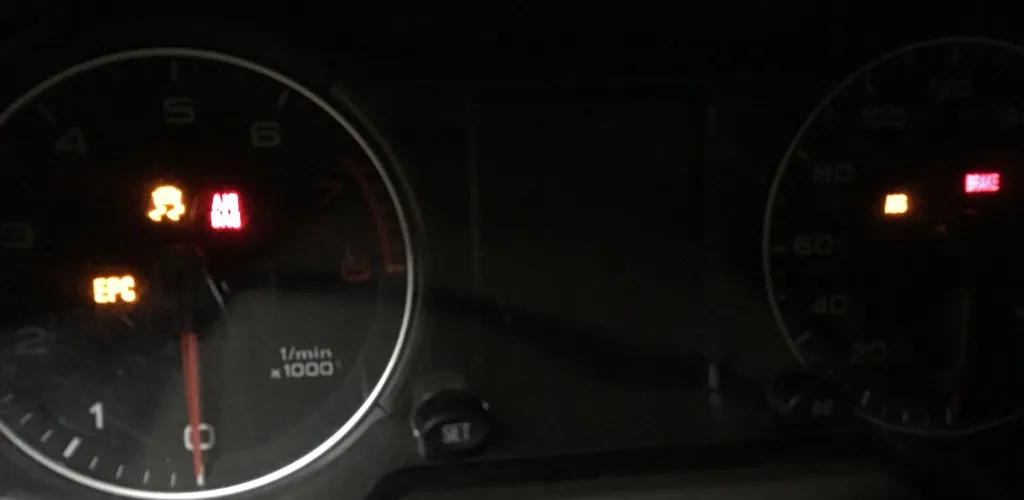
- Locate main fuse box in the passenger area; secondary box in engine bay.
- Use the fuse diagram to find the dashboard lights fuse, 5–15A.
- Diagnose with visual inspection, then test with a multimeter or voltage tester.
- Replace only with a fuse of the same amperage as original.
Every driver has at least once faced the situation where the car’s dashboard lights fail to come on. This issue can be extremely inconvenient and can make the vehicle unsafe to use, especially at night or in low-visibility conditions. Fortunately, in most cases the cause is simple—a blown fuse—and can be resolved quickly if you know where to look and how to proceed.
Before calling an auto electrician or visiting a workshop, you can try to diagnose and fix the problem yourself. This guide will explain, step by step, how to identify the fuse box, locate the fuse responsible for the dashboard lights, and replace it correctly.
Locating the Fuse Box
The first step in solving the problem is to find your vehicle’s fuse box. Most modern cars have one or two main fuse boxes:
Main fuse box is usually located in the passenger compartment, to the left of the steering wheel, at the driver’s knee level. It is protected by a plastic cover that can be removed by pulling or releasing some clips.
Secondary fuse box (if present) can be located in the engine compartment, near the battery, or close to the main control unit (ECU). Some cars even have a third box in the trunk.
Consulting the owner’s manual is essential to identify the exact locations of the fuse boxes specific to your car model.
Identifying the Correct Fuse for the Dashboard
After you have found the fuse box, the next step is to identify which fuse is responsible for powering the dashboard lights:

- Check the fuse diagram – On the fuse box cover or in the owner’s manual you will find a diagram showing the function of each fuse
- Look for names such as – “Dashboard lights”, “Instrument cluster”, “Dash illumination”, “Panel lights”, or “Panel illumination”
- Check the amperage – Dashboard fuses typically have an amperage between 5A and 15A
If the diagram is unclear or missing, you can identify the fuse by process of elimination, testing each suspected fuse individually.
Diagnosing a Faulty Fuse
There are several methods to verify if a fuse is blown:
Visual inspection
- Remove the fuse from its socket using needle-nose pliers or a dedicated fuse puller
- Inspect the metal filament inside the clear plastic capsule
- If the metal is broken or you see burn marks, the fuse is defective
Multimeter testing
For a more precise check, you can use a multimeter set to continuity:
- Touch the two metal ends of the fuse with the multimeter probes
- If the meter beeps or shows a very low resistance (under 1 ohm), the fuse is good
- If there is no continuity, the fuse should be replaced
Voltage tester test
This method only works with the engine running:
- Touch the metal part of the fuse with the voltage tester pen
- If there is voltage, the tester will light up
- Test both ends of the fuse - if one lights up and the other does not, the fuse is blown
Replacing the Faulty Fuse
Choosing the Right Fuse
It is crucial to use a fuse with the same amperage as the original:
- Amperage too low – the fuse will blow again quickly
- Amperage too high – will not protect the circuit and may cause serious damage to the electrical system
Standard fuse colors are:
- 5A - beige/tan
- 7.5A - brown
- 10A - red
- 15A - blue
- 20A - yellow
- 25A - transparent/white
- 30A - green
Replacement Process
- Stop the engine and remove the key from the ignition
- Remove the faulty fuse using tweezers or pliers
- Insert the new fuse, ensuring it seats fully in the socket
- Close the fuse box and reinstall the cover
- Test operation by starting the engine and checking the dashboard lights
Common Causes of Dashboard Fuse Blowing
- Short circuit in the lighting circuit – damaged wires or faulty bulbs
- Humidity in the electrical system – can cause corrosion and short circuits
- Electrical overload – too many accessories connected to the electrical system
- Problems with the voltage regulator – voltage too high in the system
Preventive Maintenance Tips
- Always keep spare fuses in the car – a full set costs under 20 lei
- Regularly check the fuse condition – replace proactively if showing signs of wear
- Protect the fuse box – ensure the cover is always firmly fixed
- Avoid moisture – don’t let water get into the fuse box
When to Call a Specialist
Although replacing a fuse is a simple operation, there are situations when it is advisable to contact an auto electrician:
- The fuse blows repeatedly
- You can’t find the cause after checking the diagram
- There are multiple fuses blown at the same time
- You notice a smell of burning plastic or smoke from the fuse box area
- The electrical system has other faults
Replacing a dashboard fuse is a basic skill every driver should master. With the right tools and a bit of care, you can solve the problem in a few minutes and continue your journey safely.