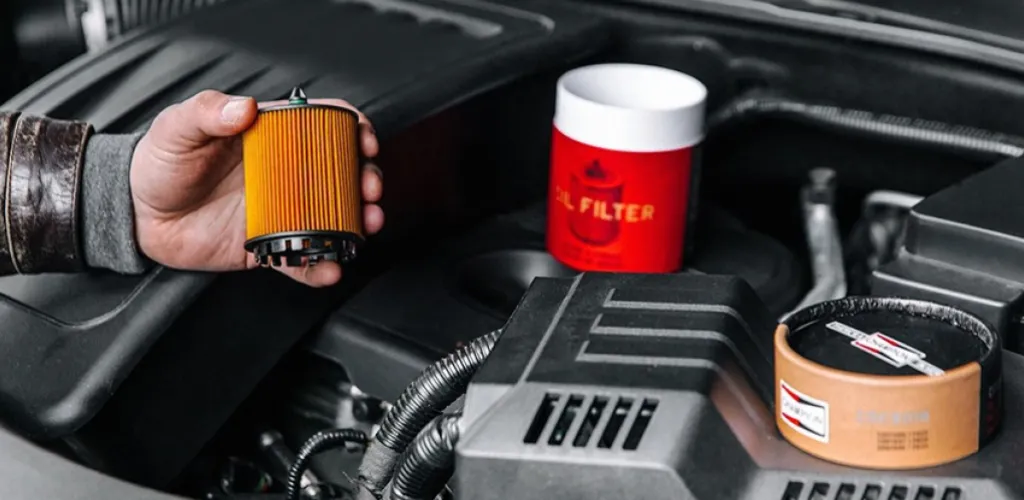
- Used engine oil can be refined into high-quality oil.
- Oil filters yield recoverable steel after cleaning for reuse.
- Windshields and glass can be recycled into insulation and new products.
- Tires can be recycled or retreaded; engine parts can be refurbished.
Regular vehicle maintenance often involves replacing worn or damaged parts, and in the case of serious accidents, sometimes the entire vehicle must be replaced. Rather than throwing these components in the trash, you can help protect the environment through responsible recycling.
Recycling automotive parts significantly reduces the amount of waste in landfills and lessens the negative impact on the environment. Although vehicles already contribute to urban pollution, many of their components can be reused or transformed into valuable raw materials.
Engine oil and oil filters
Engine oil discarded improperly poses a major threat to soil and water sources. During operation, oil becomes contaminated with metal particles and combustion residues, requiring periodic replacement.
When you change the oil, the used oil must be taken to a specialized collection center or to an auto shop that practices recycling. Through the refining process, used oil can be cleaned and transformed back into high-quality oil.
Process of recycling engine oil filters:
- Each filter contains approximately 0.5 kg of recoverable steel
- The filters are thoroughly cleaned of excess oil
- The recovered steel is reused in the metallurgical industry
- It is important to place the used filter in an airtight bag for transport
Windshield and auto glass
Windshields present a recycling challenge due to their complex structure - the glass is held between two layers of protective PVB film (polyvinyl butyral). However, technological advances have made efficient separation of these materials possible.
Many companies specializing in windshield replacement collaborate with recycling centers to reuse the glass. Recycled automotive glass can be transformed into:

- Glass fiber insulation
- Concrete blocks and aggregates for construction
- New glass products
- Ceramic tiles and decorative materials
- Worktops and furniture
Even the plastic film can be recycled and used as an adhesive for carpets or other industrial applications.
Tires - solutions for a non-degradable material
Tires are composed of rubber, steel and textile fibers, being practically non-biodegradable in natural conditions. Burning them releases dangerous toxins into the atmosphere and produces flammable rubber leaks.

Tire recycling options:
- Direct reuse: Good condition tires can be mounted on other vehicles
- Retreading: The process by which the tread is replaced
- Transformation into fuel: Tires can be used as an energy source in cement production
- Sports surfaces: Rubber granules for playgrounds and athletic surfaces
- Modified asphalt: Crumb rubber improves asphalt properties
Engine parts and mechanical components
Engines and their components have a long lifespan and can be refurbished for reuse. This process not only saves resources but also provides more affordable repair options.
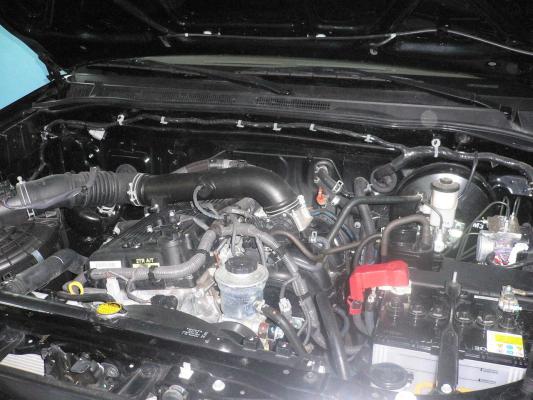
High-potential recyclable components:
- Complete engines: Can be dismantled, cleaned and refurbished
- Spark plugs: Easy to recondition and reuse
- Transmissions: Valuable components for other vehicles
- Radiators: Aluminum and copper are highly sought after
- Catalytic converters: Contain precious metals (platinum, palladium, rhodium)
Skilled mechanics can refurbish worn engines, making them more efficient and eco-friendly than original versions.
Scrap metal - valuable resources
Metal is one of the easiest materials to recycle, and a car contains significant quantities of various metals. The process of recycling automotive metals is highly efficient and profitable.
Types of recoverable metals:
- Aluminum: Wheels, engine blocks, radiators
- Steel: Body, chassis, suspension components
- Copper: Electrical cables, radiators
- Other metals: Zinc, lead, magnesium
Each metallic component can be melted down and transformed into raw material for new products, contributing to the circular economy.
Batteries and electronic components
Car batteries contain hazardous chemicals that can contaminate soil and groundwater if disposed of improperly. Recycling them is essential for environmental protection.
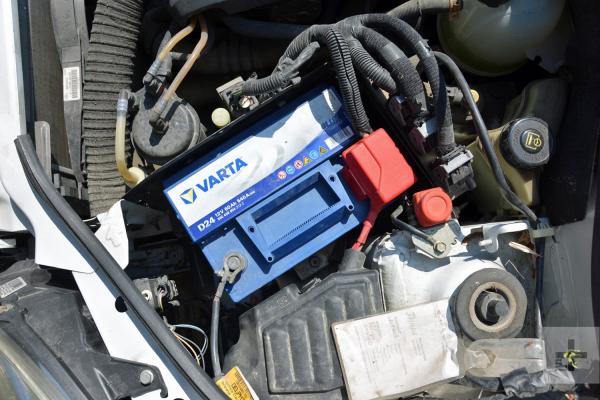
Battery recycling process:
- Collection: Auto shops receive used batteries in trade
- Crushing: Batteries are broken into small pieces
- Separation: Materials are separated by density
- Processing:
- Lead is melted and purified for new plates
- Plastic is transformed into reusable pellets
- Acid becomes sodium sulfate for detergents
Other recyclable electronic components:
- Electronic control units (ECUs)
- Audio and navigation systems
- Sensors and actuators
- Wiring and connectors
Benefits of recycling auto parts
Recycling automotive components responsibly brings multiple benefits:
- Environmental protection: Reducing soil and water pollution
- Resource conservation: Lowering the need for raw material extraction
- Job creation: The recycling industry employs skilled personnel
- Cost reduction: Refurbished parts are cheaper for consumers
- Legal compliance: Meeting environmental protection regulations
By adopting these recycling practices, every vehicle owner can contribute to a more sustainable future and reduce the automotive industry’s carbon footprint.
Photo sources: en.wikipedia.org, championautoparts.com, carwise.com, insuranceofficesltd.com, digitaltrends.com