- GreenWEE plant in Buzău processes tens of thousands of tons of e-waste yearly
- Recovered materials re-enter production, supporting circular economy across devices
- WEEE processed includes phones, appliances, batteries, lighting, ATMs, tools, and more
- Hazardous substances must be extracted to protect health and environment
Romania’s electronics waste recycling industry has seen significant growth over the past decade, and a visit to one of the country’s largest facilities reveals a complex, essential process for protecting the environment. The GreenWEE plant in Buzău processes tens of thousands of tons of electronic waste each year, turning them into valuable raw materials that re-enter the production cycle.
In a report by economy.hotnews.ro at the invitation of the ECOTIC association, a fascinating world was uncovered, where mountains of cables, old rotary dial phones, and appliances of all sizes undergo a rigorous dismantling and milling process. The result: materials shredded into small pieces that head to other production units, contributing to the circular economy.
What can be recycled from electronics and appliances
GreenWEE collects, treats, and recycles a wide range of electrical and electronic equipment waste (WEEE). The range of processed products is impressive:
- Old mobile phones with physical buttons
- Refrigerators and washing machines
- Refrigerated display cases and ATMs
- Air conditioning units
- Power tools
- Lighting equipment
- Hair dryers and toasters
- Printers
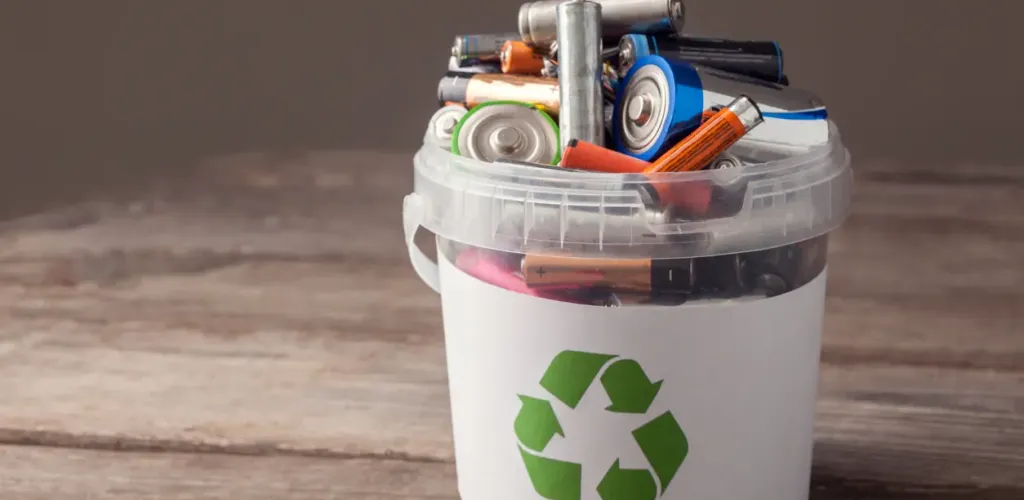
- Small alkaline batteries
Practically any electronic device that can be plugged in or runs on batteries can be processed at this plant.

Photo source: Vlad Barza / HotNews.ro
Why proper WEEE recycling is mandatory
Electrical and electronic equipment must be recycled properly because of the hazardous substances they contain. These substances pose a real danger to the environment and human health if not extracted carefully and processed with appropriate technologies.
In these conditions, abandoning broken or worn-out equipment on streets or at garbage pits is entirely wrong. Donating it to scrap metal buyers is also not a correct solution, as they do not have the technology needed to extract and neutralize hazardous substances.
Hazardous substances in electronic equipment
An apparently mundane mobile phone contains no fewer than 70 elements from the periodic table. Among the hazardous substances found in various devices are:

- Freon (in refrigerators and air conditioners)
- Mercury (in fluorescent tubes and displays)
- Cadmium (in batteries)
- Lead (in electronic components)
- Beryllium (in connectors)
- Cyclopentane (in insulating foams)