- Cooling system needs coolant level, concentration, and leak checks.
- Radiator and fan should be clean; test operation with AC.
- Air conditioning should blow cold air; replace cabin filter; check odors.
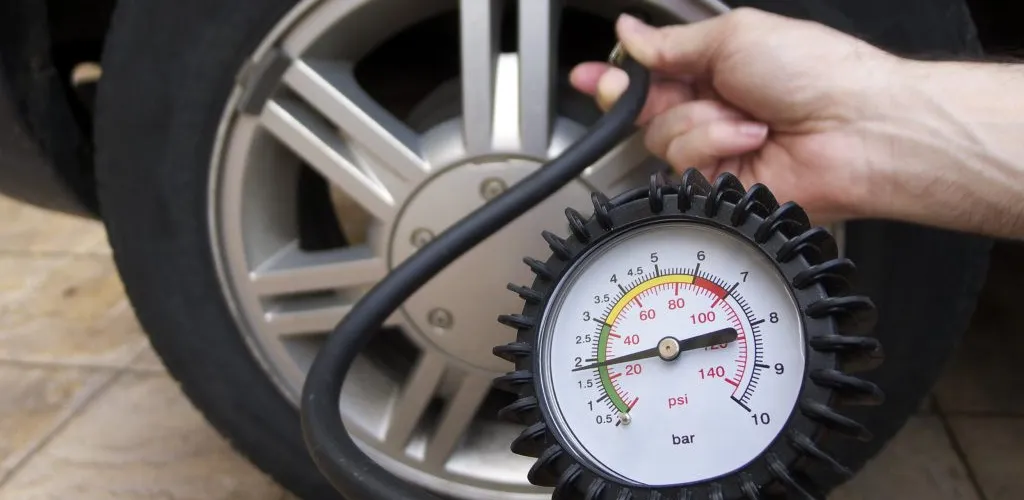
- Tires: check pressure weekly when cold; inspect wear, cracks, sidewalls; rotate.
Summer tests every vehicle against high temperatures, heavy traffic, and extreme weather. Excessive heat can affect most car components, from the engine to tires and electronic systems, and overheating remains the most common cause of breakdowns in hot weather. With proper preparation and regular checks, you can keep your vehicle in optimal condition throughout the summer season and avoid the high costs of unplanned repairs.
Cooling system check
Cooling system check is the first line of defense against engine overheating and requires special attention before the hot season.
Coolant - the vital element
Verify the coolant fluid of the engine:
- Level: Check both in the expansion tank (cold) and in the radiator
- Concentration: A 50/50 mix with distilled water provides optimal protection
- Condition: The fluid should not be dirty, rusty, or contaminated with oil
- Leaks: Look for spots under the car or traces on engine components
A coolant fluid in poor condition cannot absorb and dissipate heat efficiently, which can lead to engine overheating and costly damage.
Radiator and fan
The radiator should be clean and unobstructed to facilitate optimal heat exchange. Test the fan by turning on the air conditioning — it should engage automatically when the engine reaches operating temperature or when the AC is running.
Hoses and clamps
Inspect all cooling system hoses for cracks, fissures or signs of aging; loose clamps that can cause leaks; damage caused by heat or contact with other components.
Air conditioning system
An defective air conditioning system can turn summer journeys into a nightmare, especially in heavy urban traffic.
Essential AC checks
Test the air conditioning system before temperatures rise:
- Air temperature: The AC should blow cold air, not warm or tepid
- Cabin filter: Replace according to the manual recommendations
- Odors: There should be no unusual smells at startup
- Operation: All fan speeds should operate correctly
Efficiency optimization
To reduce consumption and extend system life:
- Start the AC gradually, not at full power
- Use air recirculation in urban traffic for maximum efficiency
- Check the freon level at a specialized service annually
Detailed tire inspection
Tires endure significant stress in summer due to the hot asphalt, which can reach temperatures over 60°C.

Weekly mandatory checks
Tire pressure:
- Measure tire pressure weekly, when tires are cold
- Low pressure increases tire temperature and the risk of blowout
- Overinflation reduces the contact patch and compromises grip
Wear and damage:

- Look for uneven wear that can indicate suspension or alignment issues
- Look for cracks, gashes or bulges in the sidewalls
- Measure tread depth: legal minimum 1.6mm, recommended above 3mm
Rotation and spare wheel
Rotate tires every 8,000–12,000 km for even wear and don’t forget the spare — check its pressure and overall condition.
Car battery health
Extreme temperatures, especially high ones, accelerate chemical processes inside the battery and can significantly shorten its life.
Warning signs of a weak battery
- Slow or difficult engine start
- Dim headlights at idle
- Battery age over 3–4 years
- Terminal corrosion or acid leaks
Checks and maintenance
For a battery health:
- Test capacity at a specialized service
- Clean corrosion from terminals with baking soda
- Check secure mounting in its tray
- Check electrolyte level in maintenance-free batteries
Braking system
Safety on hot summer roads largely depends on the condition of the braking system.
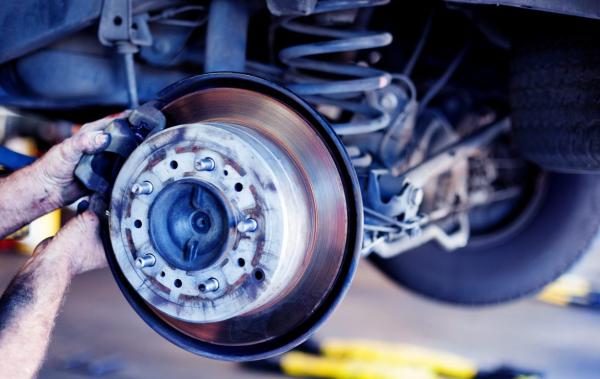
Signs that brakes need urgent attention
- Pulsations in the steering wheel during hard braking
- Unusual noises: metallic squeal or grinding
- Longer stopping distances than normal
- Soft or low pedal feel
- Rip on braking pulling to one side
Components to inspect
- Brake fluid: Level and brake fluid condition
- Pads: Minimum safe thickness is 3mm
- Discs: Check for wear, cracks or warping
- Parking brake: Function and proper adjustment
Complete engine maintenance
Engine oil and filtration
Oil change becomes even more critical in summer due to high temperatures that accelerate lubricant degradation:
- Follow intervals: every 8,000–12,000 km or per manual
- In difficult conditions (city, dust, extreme temperatures): more often
- Check level weekly and top up if needed
- Use oils with viscosity recommended for high temperatures
Filtration system
Replace all filters according to the schedule:
- Air filter: more frequent in dusty summer conditions
- Fuel filter: per maintenance schedule
- Cabin filter: mandatory before the hot season
Auxiliary fluids
Check the level and condition:
- Power steering fluid for optimal maneuverability
- Transmission oil in automatic transmissions
- Windshield washer fluid with insect repellent additive
Summer wipers
Summertime storms can be intense and unpredictable, and clear visibility is vital for safety.
Necessary checks
- Rubber condition: Look for cracks caused by sun exposure and heat
- Cleaning effectiveness: Should not leave streaks or unwashed areas
- Washing system: Check operation and pressure
- Mechanism: Arms should move smoothly, without jams
Timely replacement
You can how to replace windshield wipers yourself if damaged — it’s a simple operation that can save your life in adverse weather.
Protection against solar radiation
Cabin sun shade
A quality cabin sun shade offers multiple benefits:
- Protects the dashboard and upholstery from UV fading
- Reduces interior temperature by up to 15–20°C
- Prevents cracking of plastics and leather
- Reduces fuel consumption through more efficient AC use
Additional protective measures
- Park in shade when possible
- Window protection films for side windows
- Covers for seats and steering wheel for protection and comfort
- UV treatments for leather and plastics
Summer travel preparation
Season-appropriate emergency kit
Prepare a complete kit for unforeseen situations:
- Extra water for personal use and for the radiator
- Jump cables for discharged batteries
- Basic toolkit and spare parts (fuses, bulbs)
- LED flashlight and spare batteries
- Fully charged phone and car charger
- Sun protection and hat
Planning long trips
- Plan breaks every 2 hours for rest and cooling
- Avoid peak heat hours (12:00–16:00)
- Check the weather forecast and adjust the route if necessary
- Ensure sufficient fuel for continuous AC operation
The importance of professional maintenance
Experienced mechanics offer advantages that amateur maintenance cannot:
Advantages of professional service
- Specialized equipment: Lifts, diagnostic scanners, measuring devices
- Experience: Can identify early problems you might miss
- Labor warranty: Protection in case of later issues
- Access to original parts: Guaranteed quality and compatibility
When to definitely call a specialist
- Annual comprehensive checks before summer
- At the first signs of overheating or AC problems
- For repairs on complex systems (injection, ABS, ESP)
- For computerized diagnostics of intermittent problems
Conclusion for a peaceful summer
Properly preparing your car for summer is an investment in your safety and that of your passengers, not just in the comfort of your trips. Extreme temperatures and challenging summer driving conditions can turn a minor issue into an expensive breakdown or even dangerous situations.
The cost of preventive maintenance is always lower than that of emergency repairs. A cooling system checked in time can save you from an engine repair worth thousands of euros, and tires in good condition can save your life in a critical moment.
Follow these nine essential tips and enjoy a peaceful summer behind the wheel, knowing your car is ready to handle any challenges of the hot season. Remember: when it comes to your safety and that of your loved ones, never compromise and always consult a qualified mechanic for important checks and repairs.