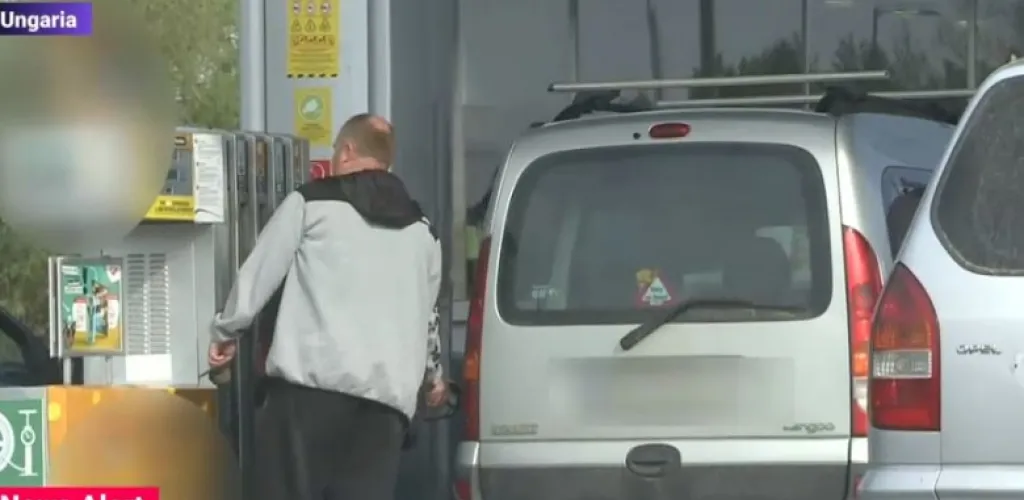
- Romania faces fuel price hikes with broad economic impact and potential recession risk
- Oil could hit $175/barrel, pushing prices to 12-13 lei per liter
- Russia-Ukraine conflict and sanctions trigger supply shocks; industry output falls; gas rationing risk
- 36-39% tax share; Hungary capped prices, Croatia froze costs, Poland cut VAT
Romania is facing significant increases in fuel prices, and economic analysts warn that the effects will be felt across the entire economy by the end of 2022. The depreciation of the national currency amplifies the problem, leading to a generalized erosion of purchasing power for households.
While authorities treat the situation as temporary, economic experts have a far more worrisome view. Analysts warn that the world is facing an inevitable economic crisis, and Romania appears unprepared to manage it effectively. The lack of concrete measures from the government raises questions about its ability to respond to this economic challenge.
Oil market perspectives and impact on prices
Analyst Adrian Negrescu offers an unequivocal view: “You know the fable of the grasshopper and the ant? Unfortunately, the Romanian state is currently playing the role of the grasshopper that doesn’t think about what winter is coming. Instead of preparing for winter and for economic challenges, authorities loudly sing political arias with a fiscal tint, continue to compete with ideas and proposals, and emergency measures are delayed.”
Current estimates for the oil market point to a potential price of about $175 per barrel, given the expansion of the embargo on Russian oil and OPEC production staying below global demand. This development could push pump prices to 12-13 lei per liter for gasoline and diesel in the most pessimistic scenario, enough to push the Romanian economy directly into recession.
Geopolitical context and supply implications
The Russia-Ukraine conflict, along with unprecedented sanctions imposed on the Russian Federation, has sent shockwaves through the global economy. Russia, the world’s second-largest oil exporter, has seen a sharp drop in production and exports, with about 2-3 million barrels per day affected, according to experts’ estimates.
The impact is not limited to the oil market. Industrial production has already fallen by 3%, while the euro is approaching the 5-lei mark. The outlook for natural gas reserves for the coming winter is even more worrying, with the risk of rationing, especially in the industrial sector, if Russia fully curtails deliveries, as it has already done in Poland and Hungary.
Fiscal component of fuel price
A recent study by university researchers from Bucharest and Cluj reveals a controversial reality: between 36% and 39% of the price paid by consumers for fuel goes to the state budget in the form of income tax and excise duties. This situation has drawn sharp criticism from international media.

The Hungarian publication Napi Gazdaság directly criticized the Romanian authorities’ approach, suggesting that budget revenues are prioritized over the population’s welfare. A regional comparison is telling:
- Hungary implemented price-cap measures on fuels
- Croatia froze fuel costs
- Poland reduced VAT on fuels to 0%
In contrast, Romania justifies the lack of action by European Commission restrictions, although other member states have found market intervention solutions.
Short- and medium-term economic impact
Analyst Adrian Negrescu underscores the gravity of the situation: “We are already witnessing a strong economic pullback, evidenced by a 3% drop in industrial production, in trade, and in the industry’s contribution to GDP. Unfortunately, in the face of this situation, concrete measures to temper inflation and its negative effects should be taken.”
Practical consequences for the economy include:

- Substantial price increases in the food sector
- Tariff increases in services
- Reduced competitiveness in trade
- Decreased purchasing power for the population
- Increased risk of recession
Recent pump price developments
In June 2022, gasoline surpassed the 9 lei per liter threshold at pumps across the country. While there have been brief periods of price declines, the overall trend remains upward, amid volatility in international markets and domestic tax pressures.
The lack of government response to reduce taxes and excises keeps pressure on consumers. This approach seems to prioritize short-term budget revenues at the expense of long-term economic stability.
Conclusions and outlook
The current situation of fuel prices in Romania reflects a convergence of geopolitical, economic, and fiscal policy factors. In the absence of concrete measures to alleviate the situation, the outlook for the rest of 2022 and into 2023 remains worrying, with cascading effects on the entire economy.
Compared with regional peers that have implemented consumer-protection measures, Romania remains vulnerable, risking turning a temporary crisis into a prolonged economic shock.