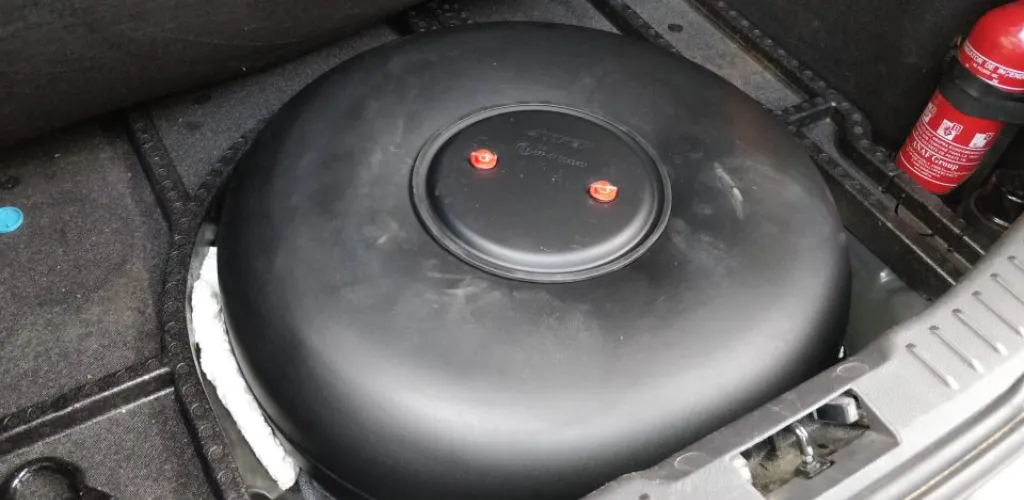
- LPG reduces emissions versus petrol/diesel due to cleaner combustion.
- LPG contains no benzene, sulfur, or lead, with about 15% fewer pollutants.
- Engine benefits: no carbide deposits, longer oil life, reduced maintenance, similar performance.
- Installation can cost up to 10,000 RON; fuel is about half price.
Liquefied Petroleum Gas (LPG) powered cars offer a viable ecological alternative to traditional fossil fuels, delivering a significant reduction in pollutant emissions compared with petrol or diesel. While the environmental benefits are substantial, this aspect remains relatively little known among drivers.
LPG combustion is cleaner, and the fuel can lower total ownership costs thanks to cheaper fuel and lower maintenance needs. This article examines the environmental, technical, and economic aspects of LPG, and compares it with CNG as an even greener option in Romania.
Environmental benefits of LPG confirmed by studies
Studies conducted in Germany show that LPG can represent an important solution to reduce atmospheric pollution, positioning it as a credible alternative alongside electric propulsion. LPG combustion is much cleaner than that of other fossil-fuel-derived fuels.
Technical features that make LPG greener
From a composition perspective, LPG presents several advantages over traditional fuels:
- Does not contain hazardous substances such as benzene, sulfur, or lead
- Undergoes a complete combustion, with no residues
- Reduces fine particle emissions in the atmosphere
- Produces about 15% fewer pollutant emissions compared with gasoline
These characteristics make LPG the cleanest widely available fuel among fossil fuels.
Technical benefits for engine and maintenance
The clean and complete combustion of LPG brings concrete advantages at the level of engine components:
- No carbide deposits form in the combustion chambers
- Engine oil retains lubrication properties longer
- Engine life can be extended
- Maintenance needs are reduced
- Vehicle performance remains comparable to that of gasoline or diesel fueling
Economic aspects and conversion costs
Although environmental advantages are evident, the economic aspect remains the main motivation for choosing LPG in Romania.
Initial investment
The cost of installing an LPG system varies by model and engine, potentially reaching 10,000 RON (Romanian leu). This represents an initial barrier for many drivers, even though the investment amortizes over time.
Fuel savings
The main savings come from LPG’s lower price – roughly half the price of gasoline or diesel. This difference makes the system profitable especially for:
- Drivers who log many kilometers annually
- Taxi services and passenger transport
- Commercial fleets with intensive use
Lack of incentives and the regulatory framework in Romania
Although in other European countries LPG consumption is actively encouraged by public policies, in Romania this alternative fuel remains largely ignored by authorities. The national strategy promotes the use of less polluting cars, but the legislation does not explicitly recognize the environmental advantages of LPG over petrol or diesel.
This lack of incentives leads Romanians to opt for LPG installations solely for economic reasons, without considering environmental benefits.

CNG - An even greener alternative
Compressed Natural Gas (CNG) represents another alternative fuel option, considered the most environmentally friendly among fossil fuels.
Advantages of CNG over LPG
- Extremely clean burning, similar to that of a gas stove
- Particle emissions 95% lower than traditional fuels
- Does not produce smoke or visible harmful emissions
- Reduced odors during burning
- Higher safety level than LPG
Although CNG offers superior environmental performance, distribution infrastructure and fueling stations remain limited in Romania, making it less accessible than LPG for most drivers.
Perspectives and conclusions
LPG- and CNG-powered cars are mature, readily available solutions for reducing traffic pollution. In the face of growing concerns about air quality and climate change, these alternatives to traditional fossil fuels deserve more attention from authorities and consumers. A coherent incentive policy, similar to that applied to electric vehicles, could accelerate the adoption of these cleaner technologies and contribute significantly to improving air quality in urban areas.