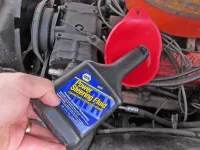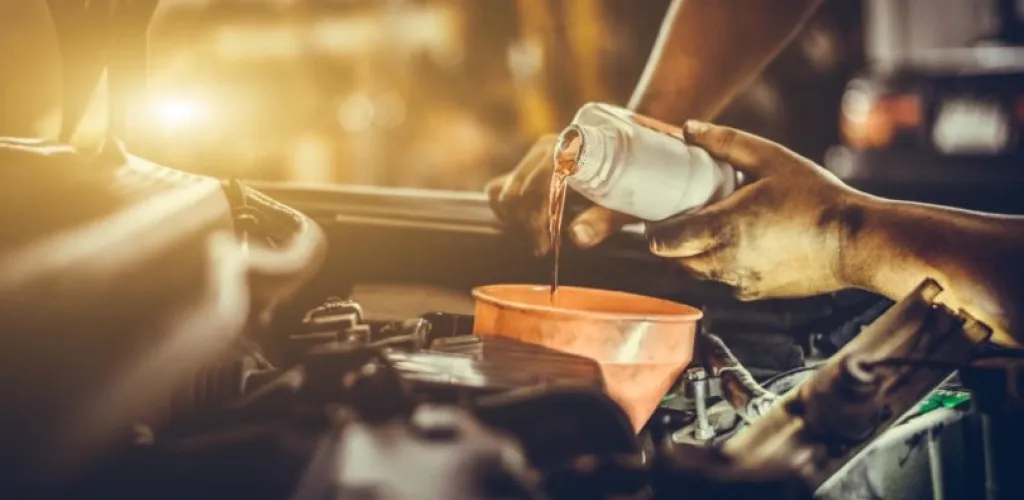
- DIY oil change saves 200-300 RON per change versus service.
- Materials cost about 250-300 RON for oil, filter, gasket.
- Service cost is 500-600 RON; DIY yields substantial savings.
- Steps: warm engine, drain oil, replace filter, install new gasket.
The engine oil change is one of the most important preventive maintenance operations for a vehicle. This simple procedure can significantly extend the engine’s life and keep its performance at optimal levels. While many car owners consider frequent oil changes prohibitive, the reality is that long-term investment translates into substantial savings by avoiding major engine repairs.
Economic viability becomes even more evident when you perform this operation yourself, eliminating labor costs while gaining valuable practical knowledge about your vehicle.
Analysis of Costs: Service vs. DIY
Costs of the materials required
The basic components needed are:
- New engine oil (quantity specified in the vehicle’s manual)
- New drain plug gasket
- Oil filter compatible with the car model
Most modern cars require between 4.5 and 6 liters of engine oil. The average price per liter ranges from 30-40 RON for mid-range quality oil, which means a cost of 150-240 RON just for the oil. The oil filter, identifiable by the code in the vehicle’s service manual, costs on average 80-120 RON, depending on the brand and the complexity of the filtration system.
Total material costs: 250-300 RON Car service cost: 500-600 RON Potential savings: 200-300 RON per change
Tools and Equipment Needed
For this operation you don’t need heavy investments in specialized equipment. Most tools are common in Romanian households.
Basic Tools
- Socket wrench set (for removing the drain plug)
- Wrench sized to fit the drain plug
- Oil filter wrench (if the filter is difficult to reach)
- Oil catch pan (minimum 6-7 liters capacity)
Safety Equipment
Depending on the vehicle design, lifting the car may be necessary for optimal access to the oil pan. If the vehicle has low ground clearance or the oil pan is hidden behind protection elements, you’ll need:
- Two jack stands for secure lifting of the front end
- Alternatively, you can use a tall curb or a loading ramp
Steps to Perform the Oil Change
Vehicle Preparation
Before starting the operation, the engine should be warmed to operating temperature to fluidize the used oil and facilitate complete drainage. Turn off the engine and let it cool for about 10-15 minutes to avoid burns.
Draining the Used Oil
Locate the drain plug on the oil pan and position the collection container underneath. Loosen the drain plug carefully, allowing the oil to drain completely. This operation typically takes 15-20 minutes.
Replacing the Oil Filter
While the oil is draining, you can proceed to replace the oil filter. The used filter also contains oil, so ensure the collection pan is properly positioned.
Installing New Components
Install the new gasket on the drain plug and tighten it according to the manufacturer’s specifications (usually 25-30 Nm for most vehicles). Install the new filter, applying a thin layer of oil to its gasket.

Considerations for Modern Vehicles
Modern cars are equipped with sophisticated electronic systems that monitor oil quality and change intervals. After completing the operation, it’s essential to reset the service indicator on the dashboard to avoid continuous warnings.
Reset procedures vary by manufacturer, but typically involve a specific sequence of buttons or accessing the service menu through the infotainment system.
Environmental Impact
A key aspect of a DIY oil change is responsible handling of used oil. Used motor oil is highly toxic to the environment—one liter can contaminate up to a million liters of water.
Options for proper disposal:
- Returning to specialized collection points
- Submitting to auto service centers that accept used oil
- Using recycling programs offered by oil manufacturers
When It’s Worth Using a Service
Although a DIY oil change offers clear economic advantages, there are situations when professional services may be preferable:
- Services offering highly competitive promotional prices for loyal customers
- Vehicles under warranty where a DIY oil change could affect coverage
- Cars with complex systems that require specialized software resets
- Lack of time or suitable space to perform the operation
Optimal Change Frequency
Recommended intervals vary depending on:
- Type of oil used (mineral, semi-synthetic, fully synthetic)
- Driving conditions (urban, highway, motorsport)
- Age and mechanical condition of the engine
- Vehicle manufacturer specifications
In general, modern intervals range from 10,000-20,000 km for high-quality synthetic oils, but it’s important to consult the vehicle’s manual for specific recommendations.
Conclusion
Performing a home oil change is a smart long-term investment, offering consistent savings and a better understanding of your vehicle’s technical needs. With potential savings of 200-300 RON per change and the opportunity to develop basic mechanical skills, this operation is worth considering for any cost-conscious car owner.