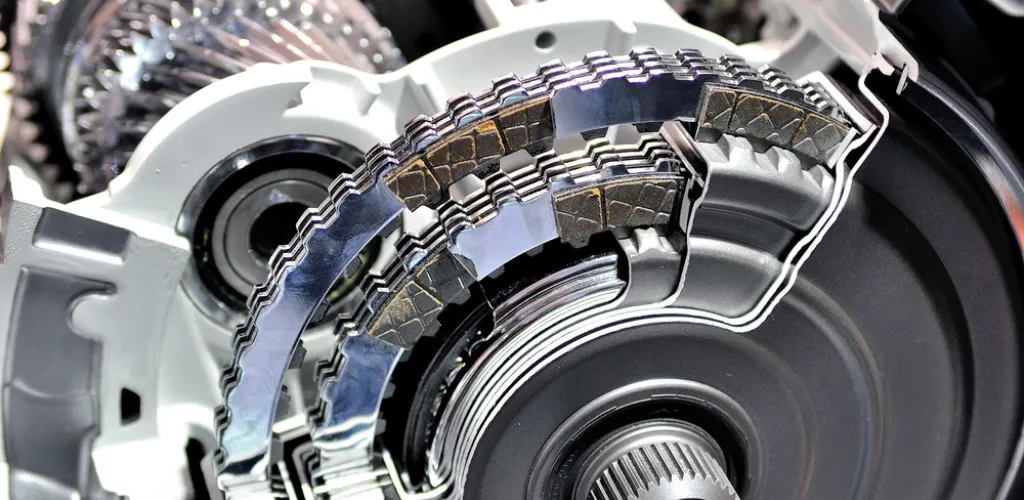
- Change transmission oil at manufacturer intervals, typically 60,000–120,000 km, for lubrication, cooling, seals
- Have oil changes done at authorized centers to ensure correct procedure and oil type
- Towing, heavy loads, urban stop-and-go, taxis, deliveries, or mountainous roads demand more frequent changes
- Drive smoothly: automatic avoid kickdowns; manual fully depress clutch and avoid clutch riding
The gearbox is one of the most important components in a vehicle, responsible for transmitting power from the engine to the wheels and adapting driving force to road conditions. Unfortunately, in Romania this vital part is often neglected by vehicle owners. While most drivers adhere to engine service intervals, when it comes to the gearbox, the lack of correct information leads to deficient maintenance.
One of the main causes of premature gearbox failure is neglecting regular oil changes and adopting aggressive driving habits. By following a few simple maintenance principles and practicing preventive driving, you can significantly extend the life of this costly component.
Correct oil change — The foundation of gearbox maintenance
Follow the manufacturer’s recommended intervals
The most important maintenance measure is regular transmission oil change. The gearbox operates at high temperatures, similar to those in the internal combustion engine, and the oil fulfills crucial roles:
- Lubrication of gears and bearings in contact
- Cooling of moving components
- Protection against corrosion and wear
- Maintaining sealing properties
Always consult the car manual to learn the exact interval recommended by the manufacturer. Usually, this interval ranges between 60,000 and 120,000 kilometers, depending on gearbox type.
Situations that require more frequent changes
- Towing a trailer or caravan
- Regularly carrying heavy loads
- Urban heavy traffic driving with frequent stops and starts
- Commercial activities (taxi, Uber, deliveries)
- Driving on mountainous roads with steep grades
Importance of specialized service
Oil changes must be performed exclusively at authorized service centers or dealerships that know the specifications of your model. This is crucial because:
- Not all gearboxes allow complete drainage of used oil
- The filling procedure can be complex and requires specialized equipment
- The type and specifications of the oil are critical for optimal operation
- The exact amount of oil is essential
Attention: There are documented cases of gearboxes failing after oil changes performed incorrectly. Always inform yourself about the specific procedure for your vehicle model.
Driving techniques to protect the gearbox
Avoid abrupt accelerations
Aggressive driving is one of the gearbox’s biggest enemies. For automatic transmissions, abrupt accelerations at speeds of 30-40 km/h can force a sudden shift from the top gear directly to first gear for maximum acceleration. This maneuver, while impressive, subjects components to extreme mechanical stress.
Recommendations:
- Accelerate progressively and smoothly
- Avoid frequent kickdowns on automatic transmissions
- For manual transmissions, do not force gear changes at high revs
Adapt your driving style to the type of gearbox
For manual transmissions:
- Fully depress the clutch when changing gears
- Do not keep your foot on the clutch pedal while driving
- Avoid starting from a standstill with clutch slip
For automatic transmissions:
- Let the transmission warm up before demanding peak performance
- Use the Sport mode only when necessary
- In traffic, use the brake instead of keeping the car in gear with acceleration
Environmental factors affecting durability
Type of use
The environment in which you use the vehicle directly influences gearbox longevity:
-
Heavy urban traffic:
- Frequent stops and starts
- Operation at high temperatures
- Constant demands on hydraulic components (in automatic gearboxes)
-
Highway driving:
- Operation at stable temperatures
- Minimal wear due to constant speeds
- Reduced mechanical stress
-
Intensive commercial use:
- Extended operation at maximum capacity
- Frequent gear changes
- Exposure to dust and contaminants
Additional preventive measures
- Periodic checks of oil level and quality
- Visual inspection for leaks or damage
- Watch for warning signs: unusual noises, vibrations, delays in gear engagement
- Warm up the gearbox before intense demands, especially in winter
- Avoid overheating by taking regular breaks in intensive use conditions
Warning signs and diagnosing problems
Early recognition of problems can prevent costly breakdowns:
Common symptoms:
- Metallic or whistling noises
- Abnormal vibrations
- Delays in engaging gears
- Abrupt gear shifts
- Oil leaks under the vehicle
At the first sign of a problem, consult a specialist for a professional diagnosis. Early interventions are always less costly than major repairs or complete gearbox replacement.
By following these simple maintenance principles and adopting a preventive driving style, you can significantly extend the gearbox life and avoid costly repairs. Investing in proper maintenance will prove much more economical in the long term than neglecting this vital component.