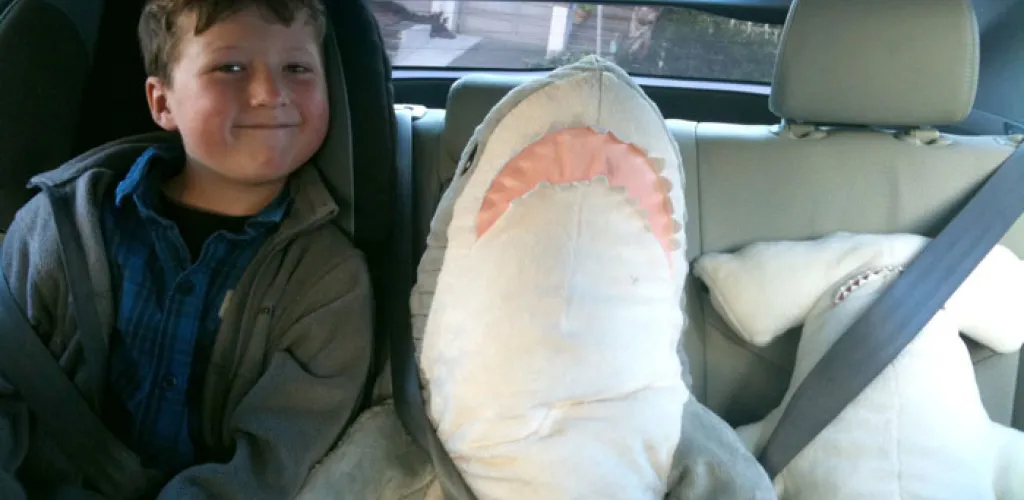
- Wearing seat belts dramatically reduces serious injuries in children.
- Zero-exceptions rule: always buckle the child, even for short trips.
- After age 4, enforce with firmness and empathy to maintain good habits.
- Lead by example; always wear your belt to model behavior.
Wearing a seat belt can mean the difference between life and death in a road crash. For children, this habit becomes even more critical, yet convincing them to buckle up is not always easy for parents. In this article, we explore the most effective methods to teach children to adopt this essential road-safety habit.
From foundational steps to practical strategies, we cover why seat belts matter, age-appropriate approaches, and tips to keep young passengers safe in everyday traffic.
The importance of seat belts for children
Before discussing practical methods, it is essential to understand why the seat belt is so important. Studies show that correct belt use dramatically reduces the risk of serious injuries or fatalities in an impact. For children, whose bodies are more fragile and vulnerable, the protection provided by a seat belt and an appropriate child seat is vital.
Early years: laying the foundations
When children are very small, between 0 and 3-4 years, while they sit in the specialized car seat, things are relatively simple. At this age, the little ones usually accept wearing the seat belt without issues, being used to the routine established by the parents. The challenge usually arises after this age, when children become more aware of their own preferences and start to challenge the rules.
The power of early habit formation
The golden rule: zero exceptions
From the start, you should seat the child in the proper seat and put the belt on for every trip, with no exceptions. Even for short distances or neighborhood trips, the rule must always be followed. The moment you make even a single exception, the child will understand that there are other options and will always choose the most comfortable for themselves.
Critical age: after 4 years
Most parents report that the hardest moment is when the child passes the age of 4 and starts to ask for things or negotiate. At this age, children become more aware of their own will and may try to test boundaries.
Firmness in enforcing the rules
This situation must be managed firmly yet empathetically. Even though, out of parental love, you may tend to make concessions, yielding even once will make it very hard to return to good habits. Explain to the child why the belt is important, but be consistent in applying the rule.

The power of personal example
A fundamental aspect of teaching children is the example you set as a parent. The child is constantly watching your behavior and tends to imitate what they observe. If you don’t wear a seat belt, it will be almost impossible to convince the child that it is important and necessary.
Consistency in behavior
To have credibility with the child, you must always wear the seat belt, even on short trips. This consistent behavior will convey the message that road safety is not negotiable and will reinforce the importance of this habit.
Creative familiarization methods
A parent recently shared a creative method that proved very effective. He placed the car seat in the child’s room and let the child play with it, climb into it, and sit in the seat as long as they wanted. After some time, when he moved the seat into the car, the child climbed into it out of habit and even with pleasure, without the need for insistence.
Transforming the car seat into a familiar object
This method works because it eliminates the novelty factor and potential resistance to something unknown. When the seat becomes a familiar and even enjoyable object for the child, the transition to using it in the car becomes natural.

Age- and situation-based approach
For babies (0-12 months)
- Use rear-facing seats, weight-appropriate for the child
- Ensure belts are always securely fastened
- Periodically check the child’s correct position in the seat
For small children (1-4 years)
- Keep the seat facing the rear as long as possible
- Create a pleasant routine before departing in the car
- Use songs or games associated with buckling up
For older children (4+ years)
- Explain the importance of the belt in a way they can understand
- Involve them in the belt-checking process
- Give them the responsibility to remind others to buckle up
Practical tips for parents
- Don’t negotiate: Safety is not a subject for negotiation, regardless of the child’s whims or tears
- Reward good behavior: You can use a rewards system for periods when the child accepts the belt without issues
- Be patient but firm: Learning a new habit takes time, but your consistency will pay off
- Periodically check the equipment: Ensure the car seat and belts are in good condition and appropriately sized for the child
- Educate through stories: Use books or stories that emphasize road safety
When you need additional help
If you work from home or need to leave the children alone for a few hours, you can turn to specialized services such as a [nanny] to ensure they are safe.
Conclusions
There are multiple methods you can use as a parent to ensure your child sits in the car seat and wears the belt without major issues. Not every method works for every child, but surely one of them will yield results in your case.
The most important aspects are to be a role model yourself, to be consistent in applying the rules, and to never make exceptions. Remember that this is about the safety of the most precious thing in your life, and that good habits formed now will stay with your child for life.
Photo source: https://www.boredpanda.com/