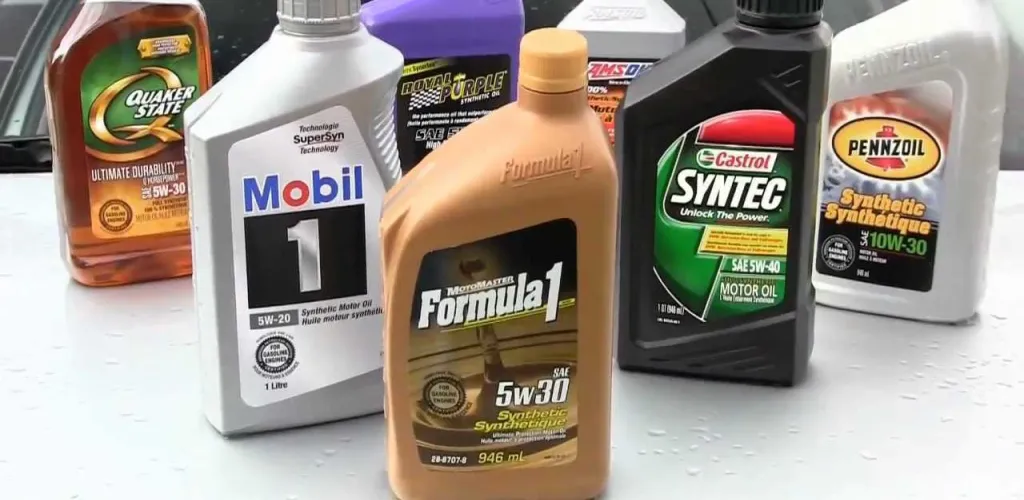
- Mineral oil is low-cost, widely available, and suitable for older engines.
- Synthetic oil offers superior protection at extreme temperatures, longer intervals, and fuel efficiency gains.
- Synthetic blends (20-30% synthetic) balance cost and performance for many applications.
Choosing the right engine oil is one of the most important decisions a car owner can make. Engine oil not only lubricates internal components but also protects the engine from wear, corrosion, and deposit buildup. While early engines ran on conventional mineral oils, technological advances have introduced a wide range of options—from fully synthetic oils developed in laboratories to specialized blends for high-mileage engines.
Choosing the oil for your car depends on several key factors: the age of the vehicle, driving style, operating conditions, and the manufacturer’s recommendations. Understanding the differences between the available oil types will help you make the best decision for your engine.
Conventional mineral oil: the traditional solution
Conventional mineral oil represents the most traditional form of lubricant for engines, derived directly from refined petroleum. These oils use a mineral base followed by various chemical additives to meet the basic requirements of modern engines.
Principle characteristics of mineral oil include:
- Low cost: They are the most affordable financially
- Wide availability: They are found in most standard viscosity grades
- Adequate performance: They provide the protection needed for normal urban driving
- Compatibility: They work well with older engines and traditional gaskets
Mineral oil is recommended for:
- Vehicles with low mileage used under normal conditions
- Older cars that do not require extreme performance
- Routine urban driving (commuting, errands)
- Owners seeking an economical maintenance solution
Synthetic oil: state-of-the-art technology
Synthetic engine oil represents the pinnacle of technology in the field of automotive lubricants. Developed in specialized laboratories, this oil uses artificially created molecules to offer superior performance in all operating conditions.

Benefits of synthetic oil
The best synthetics offer significant advantages over mineral oils:
Superior protection at extreme temperatures:

- Maintains optimal viscosity at very low temperatures (-40°C)
- Resists degradation at high temperatures (above 100°C)
- Reduces wear during cold starts
Improved stability:
- Increased resistance to oxidation
- Longer intervals between oil changes
- Maintains lubricating properties longer
Engine cleaning:
- Special additives that dissolve existing deposits
- Prevent the formation of new deposits and residues
- Keep the engine internals clean
Fuel efficiency:
- Reduced friction between moving components
- Fuel consumption can be reduced by 1-3%
Synthetic blend: the smart compromise
The synthetic blend (semi-synthetic) combines the advantages of both oil types, offering a balanced solution for many applications. This formulation contains between 20-30% synthetic oil mixed with high-quality mineral oil.

When to choose a synthetic blend
This oil type is ideal for:
- Overworked engines: Vehicles that tow trailers or carry heavy loads
- Mixed driving: A combination of city and highway miles
- SUVs and pickups: Larger engines operating under varied conditions
- Moderate budget: Improved performance at a reasonable price
High mileage oil: the solution for older engines
High mileage engine oil is specially formulated for vehicles that have surpassed 120,000–150,000 km. These oils contain unique additives that address issues specific to high-mileage engines.

Benefits of high mileage oil
Improved sealing:
- Additives that help gaskets swell slightly
- Reduction of minor oil leaks
- Prevention of further seal damage
Reduced oil consumption:
- Additives that reduce evaporation
- Viscosity optimized for worn engines
- Maintains oil pressure within normal parameters
Restoration of compression:
- Additives that clean deposits on piston rings
- Improved cylinder sealing
- Partial recovery of engine performance
Ask a mechanic before using high mileage oil, as some older models may respond better to conventional synthetic.
Understanding viscosity grade
The viscosity grade of oil is the code that tells you how the oil behaves at different temperatures. This standardized SAE (Society of Automotive Engineers) system uses a specific nomenclature that must be understood correctly.
Decoding the viscosity code
For example, for an oil 5W-30:
First number (5W):
- Represents cold viscosity (W = Winter)
- The lower the number, the better the oil flows at low temperatures
- 0W offers the best cold flow
- Common grades: 0W, 5W, 10W, 15W, 20W
Second number (30):
- Indicates viscosity at operating temperature (100°C)
- Common grades: 20, 30, 40, 50, 60
- The higher the number, the thicker the oil is at high temperatures
Comparative examples
0W-20 vs 5W-30:
- 0W-20: More fluid at cold, thinner when hot – for modern engines, fuel economy
- 5W-30: Balanced compromise, the most commonly used grade
5W-40 vs 10W-40:
- 5W-40: Easier cold start, same protection when hot
- 10W-40: For hotter climates, older engines
When and how to switch oil types
From mineral to synthetic
Switching from mineral oil to synthetic is generally safe and beneficial, but follow these rules:
- Check compatibility: Consult the owner’s manual
- Switch gradually: You can start with a synthetic blend
- Monitor leaks: Synthetic oil can reveal preexisting issues
- Follow intervals: Even if synthetic lasts longer, follow the manufacturer’s recommendations
Signs you need higher-performance oil
- Increased oil consumption
- Engine noises on startup
- Visible leaks
- Driving in extreme conditions (very low/high temperatures)
- Frequent towing
- Sporty driving
Final recommendations for choosing the right oil
For new cars (0–50,000 km):
- Full synthetic oil, meeting the exact manufacturer specifications
- Recommended grades: 0W-20, 5W-30, 0W-30
For mid-mileage cars (50,000–120,000 km):
- Synthetic blend or full synthetic
- Common grades: 5W-30, 5W-40
For high-mileage cars (over 120,000 km):
- High mileage oil or specialized synthetic
- Recommended grades: 5W-30, 10W-30, 5W-40
For intensive use:
- Full synthetic oil with additives for extreme protection
- Grades: 0W-40, 5W-40, 0W-50
Always choose oil that meets or exceeds your vehicle manufacturer’s specifications (API, ACEA, OEM specs). A qualified mechanic can advise you best based on your vehicle model and usage conditions.
Photo sources: minthilltimes.com, amcoautoparts.com, yourmechanic.com