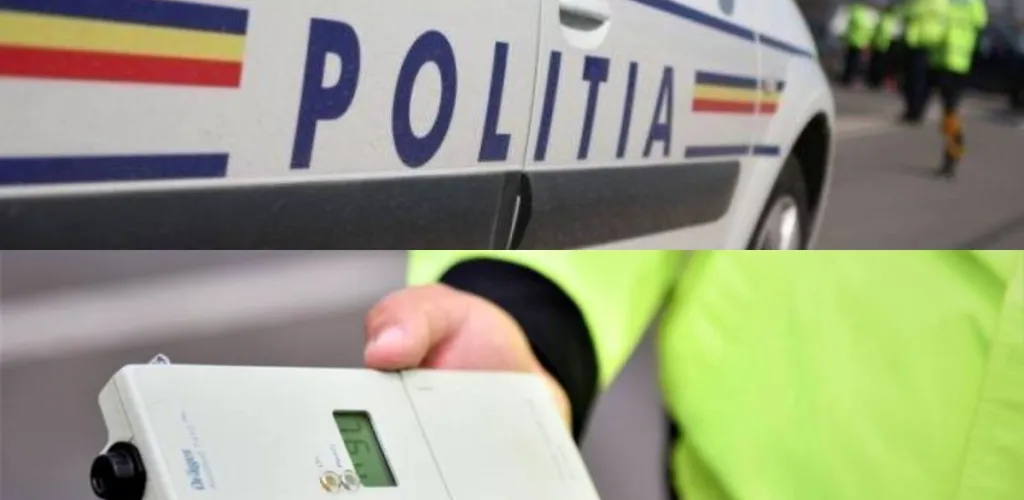
- Drugged driving cases rose, surpassing alcohol cases in July 2023 (70 vs 60)
- Electronic breathalyzers and alcohol test vials detect alcohol; results admissible as evidence
- Testing procedure: inform driver, conduct test, seal vial, print protocol, sign documents
- Penalties apply for breath tests 0.11–0.40 mg/L or vial reagent greened up to 40%
Romania faces a serious problem with alcohol consumption at the wheel, ranking among the top ten European countries for alcohol use. According to experts, alcohol is a ‘toxin of family systems,’ readily consumed by Romanians regardless of health and road safety risks.
Statistics are alarming: in 2019, 35% of Romanian adults reported drinking alcohol excessively at least once a month, according to Eurostat. Moreover, in 2021, the average Romanian consumed 11 liters of pure alcohol annually, placing the country tenth in Europe on this measure.
The alarming rise in cases of driving under the influence
The phenomenon of driving under the influence of illicit substances is on the rise. For the first time, statistics show an alarming figure: in July 2023, 70 criminal cases were opened for drivers caught behind the wheel under the influence of drugs, compared to only 60 cases for driving under the influence of alcohol.
This trend demonstrates that, in addition to the traditional problem of driving while intoxicated, a new challenge appears: drugged drivers on public roads, representing a real danger to road safety.
Technical means of detection
Authorized authorities have legally certified technical means to detect the amount of alcohol in the blood:
- Electronic devices - digital breathalyzers with certified accuracy
- Alcohol test vials - used by exception, with chemical reagent
According to the law, results obtained from these tests are admissible as evidence for sanctioning contraventions of driving under the influence of alcohol.
Obligations of traffic police in the testing procedure
Initiation of the testing procedure
Traffic police are obliged to resort to testing participants in traffic in the following situations:

- When the driver emits alcohol vapors in expired air
- In the case of involvement in a road incident
- When the driver demonstrates an abnormal behavior that appears to be generated by alcohol consumption
Step-by-step testing procedure
1. Informing the driver
- Informing the driver that they are about to be tested
- Explaining the testing procedure in detail
- Unsealing the protective device (mouthpiece) in the driver’s presence
2. Conducting the test
- Testing in passive and active modes, according to the device’s recommendations
- Following the instructions in the alcohol test vial box
- Presenting the vial and demonstrating that the reagent is yellow throughout
- Unsealing the vial in the driver’s presence
3. Finalizing the test
- Sealing the vial ends with red wax at both ends, in the driver’s presence
- Printing the protocol to convert the result into evidence
- Completing and signing the necessary documents
Administrative penalties
Traffic police must sanction the driver when:

- The breath test value is between 0.11-0.40 mg/L (inclusive)
- The vial’s reagent has greened by up to 40%
Completing the violation report
In the contravention report and the substitute proof of license, the following must be mentioned:
- The number or serial identification of the vial/electronic device
- The ordinal number of the sample
- The note that the subject does not wish to be taken to a medical unit
- The approximate degree of greening or the value indicated by the breath test
- Information about testing other categories of participants (cyclists, horse-drawn carts, pedestrians)
Transporting to medical facilities
Traffic police have the obligation to transport the driver to the nearest medical unit in the following situations:
- Refusal to test - when the driver does not agree or does not submit to testing
- Exceeding the legal limit - when the concentration exceeds 0.40 mg/L in expired air
- Significantly positive test - when the vial’s reagent has greened by more than 40%
Strict prohibitions in the procedure
- Using the alcohol test without a protective device
- Reusing the same mouthpiece for multiple tests
- Requesting to blow into the collection balloon without attaching the vial
- Issuing the replacement proof of license with driving rights
- Using the device without updating the date and time
- Using it under conditions other than those specified in the technical manual
The importance of respecting the procedure
- Legal validity of the evidence obtained
- Protection of the rights of the tested driver
- Efficiency of the sanctions process
- Road safety by deterring driving under the influence
Failing to follow the procedure may lead to the annulment of imposed penalties and to compromising the legal integrity of the process. Therefore, proper training of the traffic police in applying these procedures is crucial for effectively combating the phenomenon of driving under the influence of illegal substances.