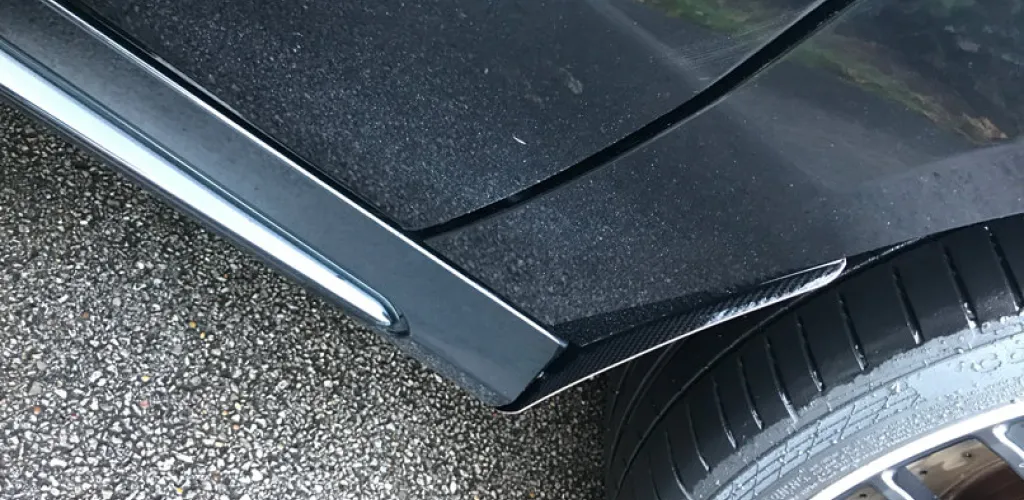
- Water spots are mineral deposits left after water evaporates.
- Remove contaminants quickly, before spots penetrate and harden.
- Wax or sealant protection helps prevent spots and eases cleaning.
- Avoid drying in direct sunlight to slow mineral concentration and spotting.
If you are a meticulous driver who constantly wants to care for your car and keep its exterior looking perfect from an aesthetic point of view, you have probably faced water spots on the car’s paint after washing. These marks are much more noticeable on dark-colored cars, often turning into a frustration for auto detailing enthusiasts. The good news is that there are simple and effective ways to prevent and remove these unwanted marks.
These marks are most evident on dark-colored cars, often becoming a frustration for auto detailing enthusiasts. The good news is that there are simple and effective methods to prevent and remove these unwanted stains.
Primary cause: water spots and mineral contaminants
This is probably a surprise for many drivers: water itself can leave marks on the paint. Rainwater and even tap water contain a wide range of dirt particles, dust, and especially dissolved minerals such as calcium and magnesium. When you think there is a water stain on the paint surface, it is actually the contaminants left behind after the water evaporates.
These mineral deposits bond to the paint surface and become increasingly difficult to remove as time passes. In severe cases, polishing the car may be required to remove them completely, a process that takes time and experience.
Rapid intervention is essential
When you notice spots on your car’s paint, we recommend acting as soon as possible. Over time, these spots will become much harder to remove, penetrating into the upper layers of the paint. We recommend removing any substance or stain that may affect paint quality as soon as you notice the dirt, and not delaying washing your car.
Substances such as tree resin, bird droppings, tar, or industrial dust can penetrate the paint in just a few hours at high temperatures, causing permanent damage.
Protection is key: wax and sealants
If you want your car’s paint to always look impeccable, a layer of wax or a sealing material (sealant) can be the ideal solution to save you a lot of headaches. Here are the main benefits of protecting the paint:

Advantages of applying wax or sealant:
- The wax makes the paint feel slicker than usual
- Water beads off the car body before it evaporates and leaves spots
- A protected vehicle is much easier to clean and wash
- Dirt accumulations stay on the surface and are very easy to remove
- Protection against UV rays and paint oxidation
- Enhanced gloss and depth of color
For optimal results, apply wax or sealant every 3 months or according to the product manufacturer’s recommendations.
Avoid drying in direct sunlight
We strongly recommend not letting the car dry under the strong action of UV rays. The intense sun speeds up water evaporation, leaving less time to remove droplets and increasing the concentration of minerals that remain on the paint. This is exactly what we want to avoid and hence reduces the appearance of spots on the car’s surface.
High temperatures can cause other issues as well: cleaning products can dry too quickly, leaving streaks, and hot paint can be damaged by abrupt temperature changes when applying cold water.

Correct drying technique after washing
After you have washed your car and ensured that you have removed any trace of dirt, you have two options for proper drying:
Natural drying
You can let the car air dry when you have the opportunity to park it in a shaded and well-ventilated area. This method works only if:
- The car is protected with wax or sealant
- The water used is relatively clean and low in minerals
- The temperature is not too high
Manual drying (recommended method)
If you do not have a suitable shaded area or you want perfect results, we recommend thoroughly drying the vehicle’s exterior surface. The correct process includes the following steps:
Choosing the right equipment:
- Use high-quality premium microfiber towels
- Make sure the towel is perfectly clean, free of dust or dirt particles
- Have 2–3 towels available for large surfaces
- Consider using a chamois towel for professional results
Drying technique:
- Gently blot the surface of the car, do not rub
- Work from top to bottom to avoid spreading dirt
- Pay special attention to areas where water tends to accumulate: around mirrors, doors, and wheels
- Open the doors and trunk to wipe and dry the sills
- Check and remove water around the windows and headlights
Additional protective measures
To protect the car’s body as much as possible, we recommend parking the vehicle in a garage or covered space when possible. This provides several benefits:
Advantages of covered parking:
- Protection from direct UV rays
- Prevention of pollution and dust deposits
- Protection from bird droppings and tree sap
- More constant temperatures, reducing paint expansion and contraction
- Lower risk of accidental damage
When to seek professional services
If stains persist after repeated cleaning attempts or if the paint shows signs of oxidation, it may be time to consult a professional detailing service. They have:
- Professional cleaning and polishing products
- Specialized equipment (polishing machines)
- Experience in removing stubborn stains
- The ability to assess the paint’s condition and recommend the appropriate treatment
Regular and proper paint maintenance isn’t just an aesthetic issue – it extends the life of the body and helps preserve your car’s resale value.