- European cars cost more to maintain due to complexity and expensive parts.
- Common issues include electronics, cooling, hydraulics, and hard-to-reach components.
- Peugeot 206 rusts early; switches fail and electrical problems appear after 100k km.
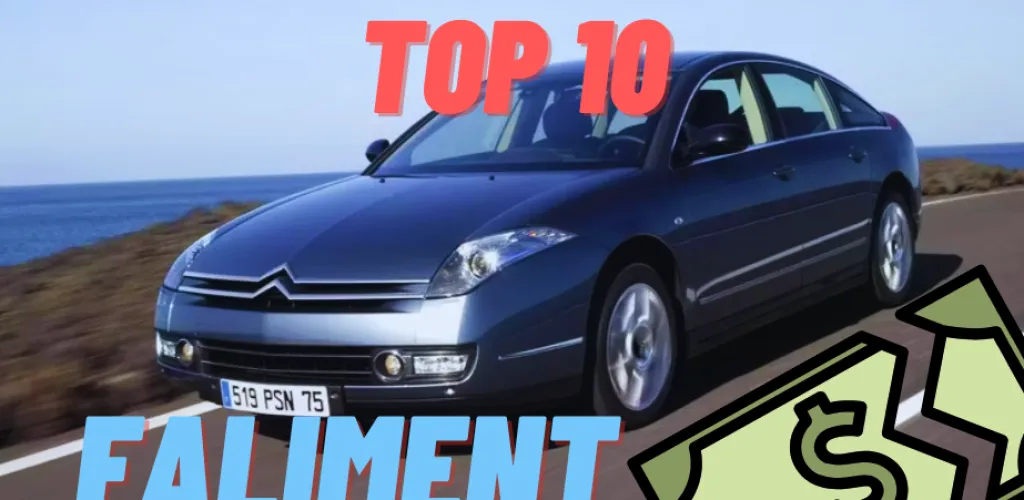
- Citroën C6’s hydropneumatic suspension is very expensive to maintain.
Regardless of how much the car costs at purchase, the ongoing maintenance price should never be neglected. In general, European cars are more expensive to maintain, whether we are talking about luxury, sports, or everyday vehicles.
Unfortunately, it is true that European parts are more expensive than their Asian or American counterparts. And when the car isn’t reliable and needs many repairs, the high cost of parts is compounded by a lot of labor hours, precisely because they are designed very complexly from a technical standpoint.
Common problems of expensive European cars
Majority of the issues that make these cars costly to maintain stem from a few main causes:
- Technical complexity - Advanced electronic systems and multiple sensors
- Part quality - Premature wear of rubber and plastic components
- Limited accessibility - Parts placed in hard-to-reach locations for mechanics
- Proprietary systems - Need for specialized tools and diagnostics
Top 10 European cars that will drain your budget
10. Peugeot 206 - the beauty that rusts quickly
In the early 2000s, the 206 ruled WRC and this brought a lot of press attention. Sales exploded, and the GTI variant helped consolidate its market position.
Unfortunately, over time it became clear that the cars were poorly built. Although the engine is relatively reliable, the bodywork rusts extremely quickly, especially at the seams between fenders and doors. Interior parts tend to detach due to inferior plastic quality.
Common problems:
- Early corrosion of the bodywork
- Switches and buttons failing
- Electrical problems after 100,000 km
9. Audi A4 B6 (2000-2004) - the brand’s dark era
Many Audis from the 2000s earned a reputation as nightmares. Built during a period of rapid VW Group expansion, these cars gained many unnecessary systems and saw a drop in overall quality standards.
Maintenance costs rise with time, but the B6 generation saw owners paying roughly 40% of the car’s purchase price in the first 10 years just for maintenance work.
Common technical issues:
- Direct injection system failures
- Turbo problems on turbodiesel models
- Cooling system corrosion
- Electronic faults in comfort systems
8. Citroën C6 (2006) - technology that costs a fortune
When it appeared, the C6 offered a very competitive price given its equipment. In Europe, the car now carries a very low price, but not by accident.
It still looks futuristic, but the mechanical issues aren’t solved by its appearance. The hydraulic suspension is extremely expensive to maintain and costs a significant amount if it fails. And it does fail often, just like many other components of this car.

Problematic systems:
- Hydropneumatic suspension with Hydractive spheres
- Multiple comfort system control units
- Level and pressure sensors that are expensive
- Central hydraulic pump
7. BMW X3 (2012) - the SUV with electronic problems
BMW, at least in Romania, has a controversial reputation due to many very old and poorly maintained cars appearing on the streets. The X3 is one of them, and being an SUV, maintenance costs are even higher.
If you want a 2012 X3, expect to pay between 35-50% of the initial purchase price over the next 10 years. They have many electronic problems and issues with the control units, faults that not just any shop can fix, and many mechanics avoid them.
Known weak points:
- Frequent iDrive errors
- Transmission issues
- Battery management system faults
- Parking sensors and cameras that fail
6. Alfa Romeo Giulia - the costly beauty
Alfa Romeo unfortunately carries a very negative reliability reputation. The Giulia inherits this reputation, and you’ll see it in every similar list, only the rank varies.
For the Quadrifoglio variant with 507 horsepower, you can spend more on maintenance without being too bothered (as a high-performance car), but for diesel-powered variants, the investment often isn’t worth the money.
Costly aspects:
- Expensive, hard-to-find spare parts
- Complex electronic systems
- Transmission issues
- Specialized maintenance required
5. Mini Cooper - the fun that costs a lot
Costs are a bit lower than a BMW, but Mini is BMW under the hood. They’re very entertaining to drive, but after about five years of ongoing maintenance costs you’ll start considering selling.
Typical Mini problems:
- Turbocharged engines with reliability issues
- Cooling system prone to overheating
- Expensive BMW parts
- Difficult access to repair parts
4. Fiat 500 - the little one with big problems
Falls into the same category as the Mini, except it does not have a BMW engine. Unfortunately, the Fiat 500 is one of the least reliable small cars ever built.
It is extremely dangerous in a crash and earned only a few stars in Euro NCAP safety tests. It is still sold as a new model in Europe, although in many other markets it has already been withdrawn.
Safety and technical problems:
- Weak crash structure
- Engine reliability issues
- Electrical system deficiencies
- Fragile body panels
3. BMW E46 - the legend with high costs
BMW grew into a strong brand with the appearance of the famous Series 3. The 3 Series offers a lot of comfort and sportiness, regardless of engine choice. That’s why it remains one of the most popular cars worldwide.
However, they are not easy to maintain, and parts—even for older models—still cost a lot. The most expensive to maintain are the mid-2000s models.
Costly E46 components:
- VANOS system (variable cam timing)
- Water pumps prone to failure
- Rear wheel bearings
- Complex air conditioning systems
2. Range Rover Evoque - style over functionality
Many car enthusiasts know Range Rover competes with Alfa Romeo for the title of the most problematic car in the parking lot. Land Rover entered the crossover market early with the Freelander, but with the Evoque it seems they focused on style over practicality.
Evoque structural problems:
- Capricious all-wheel-drive system
- Complex electronics with frequent failures
- Build quality below expectations
- Prohibitive service costs
1. Volkswagen Passat (2001-2004) - nightmare on the Audi platform
An maintenance nightmare is any old VW car that was once sold as a luxury car. The unchallenged king of this nightmare is the older Passat built on Audi’s platform.
Why the Passat B5.5 is a financial nightmare:
- Complex engines with reliability issues
- Primitive but expensive electronics to repair
- Shared parts with Audi A4, thus high prices
- Problems with the direct injection system
- Automatic transmission failures
Recommendations for buyers
Before buying any European car, especially one from this list:
- Check the service history - look for evidence of regular maintenance
- Budget for future costs - set aside 15-20% of the car’s value annually for repairs
- Find a specialist mechanic - not all shops can work on these cars
- Buy extended warranty - if available for the chosen model
Although these cars can be financially challenging, many of them offer exceptional driving experiences. The key is to be financially prepared for the challenges ahead.