- TCS light may signal normal operation or a fault needing attention.
- TCS monitors wheel grip and redistributes torque or applies selective braking.
- Speed sensor faults cause a constant light; causes include dirt, damage, corrosion.
- ECU issues require diagnosis; driving with faults may be unsafe and costs vary.
Complete Guide: Safe Driving with the TCS Light On
The traction control system (TCS) is a modern safety feature designed to prevent wheel spin by monitoring each wheel’s grip and intervening when necessary. The warning light for this system can signal either normal operation in challenging conditions or a fault that requires attention. To drive safely, it is essential to understand when this light signals a normal condition and when it indicates a technical issue.
This guide explains how TCS works, common causes for the light to come on, how it is diagnosed, maintenance tips, and repair cost ranges. It helps drivers assess when it is safe to drive and when service is needed.
How the TCS System Works
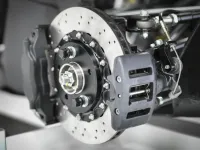
The traction control system is a modern safety technology that continuously monitors the grip of each wheel and automatically intervenes to prevent wheel spin. When one wheel starts to slip, the system redistributes torque to the wheels with grip or applies selective braking to restore control.
The traction control uses a complex network of sensors and actuators to monitor the vehicle’s behavior. Wheel speed sensors installed at each wheel transmit real-time information to the electronic control unit, which analyzes differences in rotation between wheels.
- Reducing engine power
- Applying selective braking to the slipping wheel
- Redistribution of torque to the wheels with grip
These interventions are very fast and subtle, often imperceptible to the driver.
1. Temporary Loss of Traction - Normal Operation
- Adverse weather conditions
- Slippery surfaces
- Sudden maneuvers
- Surface transitions

Is it safe to drive? Yes, completely safe. The intermittent light confirms that the system is functioning and helps you maintain vehicle control.
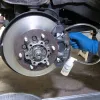
2. Speed Sensor Faults
Speed sensors are essential components for the proper operation of the TCS. They can present the following problems:
Common causes of failure:
- Accumulation of dirt, mud or road salt
- Physical damage from impacts
- Corrosion of electrical contacts
- Wear of wiring
- Faults in the magnetic encoder
Symptoms of sensor problems:
- The TCS light remains on continuously
- ABS light comes on simultaneously
- Intermittent system operation
- Unusual braking vibrations
Is it safe to drive? Not recommended for long distances. The system cannot function correctly without precise information from the sensors, meaning you won’t benefit from anti-slip protection.
3. TCS Control Unit Faults
The TCS computer (ECU) is the brain of the system and can suffer various faults:
Hardware problems:
- Damage to integrated circuits
- Corrosion of contacts
- Overheating of electronic components
- Damage from water ingress
Software problems:
- Memory data corruption
- Calibration errors
- Incompatibilities after updates

When the control unit is faulty, the TCS is completely disabled to prevent unwanted interventions that could compromise safety.
Is it safe to drive? No, especially in adverse conditions. Without a functional TCS, the risk of loss of control increases significantly.
Diagnosing TCS Issues
To determine the exact cause of the problem, mechanics use:
Diagnostic equipment:
- OBD-II scanners for reading error codes
- Multimeters for testing electrical circuits
- Oscilloscopes for signal analysis
- Specialized equipment for sensor testing
Verification procedures:
- Visual inspection of sensors and wiring
- Testing resistance and continuity of circuits
- Checking power supply voltages
- Real-time data analysis
Preventive Maintenance of the TCS System
Regular checks:
- Periodic cleaning of speed sensors
- Inspection of wiring for wear
- Checking brake fluid level and quality
- Monitoring tire condition and pressure
Driving recommendations:
- Avoid sudden accelerations and braking
- Adapt speed to road conditions
- Replace worn tires promptly
- Do not disable the TCS without a valid reason
Cost of TCS System Repairs
Speed sensor replacement: 150-400 RON per sensor Wiring repair: 100-300 RON ECU replacement: 800-2000 RON Computerized diagnostics: 80-150 RON
Final Safety Recommendations for Road Traffic
The traction control system is a vital component for vehicle stability, especially in challenging weather. Ignoring problems can have serious safety consequences.
When to go to service immediately:
- The TCS light stays on continuously
- The TCS and ABS lights come on simultaneously
- You feel unusual vibrations when accelerating
- The vehicle tends to slip under normal driving conditions
Tips for safe driving:
- Consult your owner’s manual for your system’s specifications
- Do not disable the TCS unless in very specific situations (e.g., stuck in snow)
- Maintain a longer following distance when the system is faulty
- Schedule periodic checks at a specialized service center
In conclusion, it is safe to drive with the TCS light on only when it indicates normal system operation under difficult conditions. In all other cases, the system requires professional attention to ensure road safety.