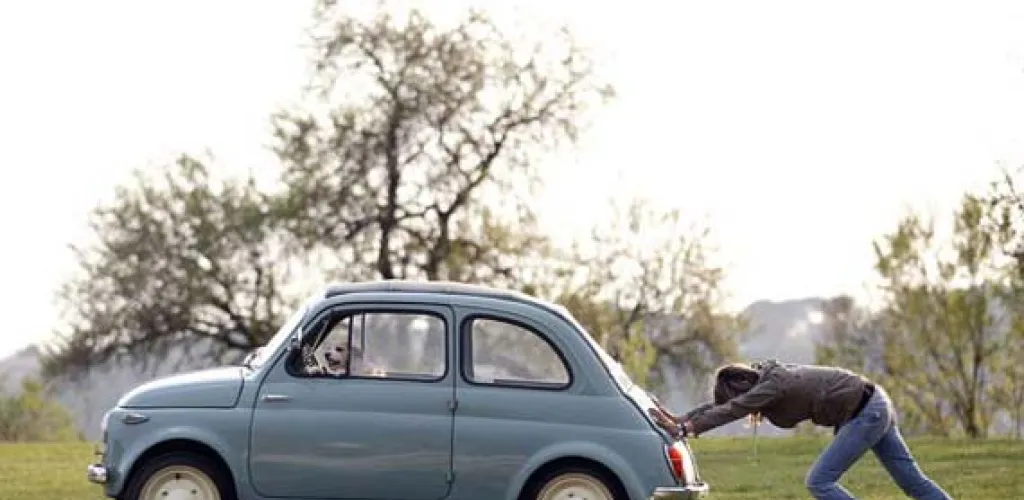
- Check engine light signals diverse causes; consult a mechanic for diagnostics
- Engine misfires stem from ignition, fuel, or intake faults; follow intervals and keep system clean
- High fuel consumption due to clogged filters, sensors, worn plugs; drive economically
- Dead battery: life expectancy 3–5 years; failure can be sudden in extreme conditions
Preventive maintenance is essential for the optimal operation of any vehicle, but even with the most rigorous care, technical problems can arise. Each car shows warning signs before major failures - recognizing them can save time, money, and prevent potentially dangerous situations on the road.
The following 12 problems represent the most common failures drivers encounter, regardless of make or model. Understanding the causes, symptoms, and solutions will help you make informed decisions about your car’s maintenance.
Check Engine Light
Primary causes of the check engine light
- Defective oxygen sensor - affects the air–fuel mixture and emissions
- Fuel delivery system problems - dirty injectors or clogged fuel filter
- Ignition system failures - worn spark plugs or faulty coils
- Clogged air filter - restricts air flow to the engine
- Damaged catalytic converter - reduces exhaust gas cleaning efficiency
- Vacuum leaks or cracked hoses - vacuum leaks in the intake system
Recommended solution: Consult a professional mechanic for a computerized diagnostic. There are over 200 possible error codes, and only a thorough analysis can identify the exact cause and prevent further damage.
Engine Misfires
Components responsible for misfires
Ignition system:
- Worn or dirty spark plugs
- Faulty ignition coils
- Damaged ignition wires
- Worn distributor (on older engines)
Fuel system:
- Clogged fuel injectors
- Clogged fuel filter
- Weak fuel pump
- Defective fuel pressure regulator
Intake system:
- Dirty Mass Air Flow (MAF) sensor
- Defective MAP sensor
- Extremely dirty air filter
Prevention: Adhere to spark plug replacement intervals (20,000–40,000 km) and filter change intervals, use quality fuel, and perform periodic cleaning of the fuel system.
High Fuel Consumption
Increased fuel consumption can have multiple causes and is often the first sign of developing mechanical issues. An efficient engine maintains an optimal air–fuel ratio for complete combustion.
Factors influencing fuel use
Technical components:
- Clogged air filter – reduces air intake by up to 20%
- Clogged fuel filters – reduce pressure and flow
- Defective oxygen sensors – affect the air–fuel mixture
- Dirty injectors – uneven fuel spray
- Worn spark plugs – incomplete combustion
- Stuck thermostat – engine struggles to reach optimum temperature
Operating factors:
- Low tire pressure (increases rolling resistance by 3–5%)
- Aggressive driving style
- Carrying unnecessary loads
- A/C usage at low speeds
Solution: Periodic filter replacement, cleaning the fuel system, checking tire pressure, and adopting an economical driving style.
Dead Battery
A standard car battery typically lasts 3–5 years or 80,000–120,000 km, depending on operating conditions. Capacity gradually declines, and in extreme conditions it can fail suddenly.
Causes of premature discharge
Technical problems:
- Defective alternator – fails to charge properly
- Current leaks – devices that stay on with ignition off
- Corroded connections – high resistance in the charging circuit
- Defective battery temperature sensor (in systems with management)
Operating factors:
- Extended parking in cold weather (below -10°C)
- Frequent use with the engine off (radio, lights)
- Short trips that don’t allow full charging
- Old age of the battery
Recommendations: Test the battery annually after the third year, clean terminals every 6 months, avoid deep discharges, and proactively replace at 4–5 years.
Uneven Tire Wear
Tires are the only contact between the vehicle and the road, and uneven wear can indicate serious suspension, steering, or alignment issues that affect handling and safety.
Types of wear and causes
- Center wear
- Cause: overinflated tires
- Effect: reduced tire contact area
- Edge wear
- Cause: underinflated tires
- Effect: overheating and risk of failure
- Wear on one edge
- Cause: misaligned geometry (toe-in/toe-out)
- Effect: vehicle drift and accelerated wear
- Spot wear
- Cause: defective shocks, unbalanced wheels
- Effect: vibrations and instability
Maintenance plan: Check pressure monthly (with cold tires), rotate tires at 8,000–10,000 km, check alignment annually, balance wheels when mounting new tires.
Brake System Problems
The brake system is critical for safe driving and should never be neglected. Components wear gradually, but some symptoms require immediate attention.
System components and wear
- Brake pads:
- Lifespan: 25,000–70,000 km (depends on driving style)
- Signs: metallic squeal, excessive brake dust
- Brake discs:
- Lifespan: 80,000–120,000 km
- Signs: vibrations when braking, visible grooves
- Brake calipers:
- Lifespan: 100,000+ km
- Signs: uneven braking, brake fluid leaks
- Brake fluid:
- Replacement: every 2–3 years
- Issues: moisture absorption, low boiling point
Symptoms requiring immediate attention
- Spongy or floor-like pedal – air in the system or leaks
- Loud metallic noise – pads worn to metal
- Strong vibration when braking – warped discs
- Vehicle pulls to one side – sticking caliper or uneven pad wear
- Burning smell after braking – overheating from stuck brakes
Alternator Failures
The alternator is the heart of the vehicle’s electrical system, responsible for powering all electrical loads and charging the battery. A failure can leave the vehicle completely dead.
How the alternator works
The alternator converts the engine’s mechanical energy into electrical energy via a rotating coil within a magnetic field. Output voltage is electronically regulated to maintain about 12.6–14.4 V in the vehicle’s system.
Common causes of failure
Mechanical wear:
- Worn bearings – groaning noises
- Worn collector rings – arcing, intermittent charging
- Worn carbon brushes – poor contact
- Deformed rotor – vibrations, noise
Electrical issues:
- Faulty voltage regulator – overcharging or undercharging
- Burnt stator windings – loss of generation capacity
- Burnt rectifier diodes – pulsating voltage
Symptoms
- Charging indicator (battery) permanently on
- Dim lights that fade with engine speed
- Hard starting, battery discharges quickly
- Unusual noises from the alternator area
- Terminal voltage below 13 V with the engine running
Prevention: Check charging voltage annually, replace the alternator belt when worn, avoid overloading the system with high-draw accessories.
Starter Failure
The starter is the electric motor that initiates the engine’s combustion cycle by turning the flywheel. It operates under heavy load and can fail without warning.
Main components and operation
Key components:
- Electric motor – provides rotational torque
- Solenoid – engages the pinion with the ring gear
- Drive pinion – transfers rotation to the flywheel
- Starting relay – controls power supply
Starting process:
- Turning the key energizes the solenoid
- The solenoid pushes the pinion to engage with the ring gear
- The electric motor spins the flywheel at about 200–300 rpm
- After the engine starts, the pinion disengages automatically
Causes of failure
- Solenoid contacts burned by repeated arcing
- Worn pinion or damaged ring gear teeth
- Electric motor windings burned
- Worn bearings in the starter body
- Corroded or poorly tightened connections
Symptoms and diagnosis
Starter does not respond:
- Check battery and connections
- Test the starting relay
- Inspect the solenoid
Metallic noises at start:
- Pinion not engaging properly
- Damaged ring gear teeth
Starter spins but engine won’t start:
- Pinion slips on the ring gear
- Defective one-way clutch
Steering Wheel Vibration
Vibrations transmitted through the steering wheel can indicate a range of issues, from simple imbalances to serious suspension problems. Correct diagnosis depends on when the vibrations occur and their intensity.
Causes by condition
At low speeds and during start: Suspension components:
- Worn wheel bearings – vibrations grow with speed
- Damaged bushings – vibrations during acceleration/braking
- Worn ball joints – steering play
- Worn tie rod ends – directional instability
Engine–transmission system:
- Worn motor mounts – vibrations at idle
- Driveshaft imbalance – vibrations under acceleration
- Warped clutch (unusual for manual) – vibrations when engaging
At high speeds (over 80 km/h): Rotational issues:
- Unbalanced wheels – constant vibrations proportional to speed
- Out-of-round tires or bulges – rhythmic vibrations
- Bent rims – severe vibrations
- Warped brake rotors – vibrations only under braking
Diagnostic methods
Speed test:
- Under 50 km/h: check suspension, engine, transmission
- 50–100 km/h: check wheels, tires, geometry
- Over 100 km/h: check balancing, tires
Braking test:
- Vibrations only under braking: warped rotors
- Vibrations that diminish under braking: wheels/tires
Emissions Test Failed
In Romania, the emissions test is part of the mandatory ITP and checks vehicle compliance with environmental standards. Failure can have various technical causes.
Measured parameters
For gasoline engines:
- CO (carbon monoxide) – max 0.3–0.5%
- HC (unburned hydrocarbons) – max 100–200 ppm
- CO2 (carbon dioxide) – min 12%
- O2 (oxygen) – 0.5–2%
- Lambda (air–fuel ratio) – 0.97–1.03
For diesel engines:
- Opacity – max 1.5–3.0 m⁻¹
- Particulates in suspension
- NOx (nitrogen oxides)
Common reasons for rejection
Fuel system:
- Rich or lean mixture – dirty injectors, defective oxygen sensor
- Incorrect fuel pressure – faulty filter or pump
- Restricted air intake – clogged filter
Ignition system:
- Worn spark plugs – incomplete ignition
- Defective coils – misfires
- Incorrect ignition timing
Exhaust system:
- Damaged catalytic converter – no longer cleans effectively
- Exhaust leaks – parasitic air falsifies measurements
- Defective oxygen sensors
Test preparation:
- Drive 20–30 km before the test to heat the catalytic converter
- Check oil and coolant levels
- Use quality fuel
- Service the vehicle before the test
Engine Overheating
The cooling system maintains the engine at its optimal operating temperature (roughly 85–105°C). Overheating can cause severe and irreversible engine damage in minutes.
Cooling system components
Main circuit:
- Radiator – dissipates heat to the air
- Water pump – circulates coolant
- Thermostat – regulates flow through the radiator
- Fans – increase air circulation
Control components:
- Engine temperature sensor
- Radiator fan sensor
- Engine control unit (ECU) for electronic control
Causes of overheating
Coolant loss:
- External leaks – hoses, radiator, pump
- Internal leaks – blown head gasket
- Evaporation – defective cap
Reduced circulation:
- Corroded impeller in water pump
- Thermostat stuck closed
- Internal radiator clog (deposits) or collapsed hoses
Insufficient cooling:
- External radiator blockage (insects, leaves)
- Faulty fans
- Broken fan belt (in mechanical systems)
Overheating causes:
- Incorrect ignition timing
- Lean fuel mixture – high combustion temperature
- Carbon deposits in chambers
Preventing overheating
- Check coolant level weekly
- Replace coolant every 3–5 years
- Clean external radiator annually
- Test the thermostat around 80,000 km
- Proactively replace the water pump at about 120,000 km
Automatic Transmission Problems
Modern automatic transmissions are a hydraulic system with over 1,000 components. Properly maintained, they can last 300,000–500,000 km.
Main components
Hydraulic system:
- Oil pump – creates the necessary pressure
- Valve body – directs fluid to components
- Solenoids – activate gears and clutches
- Accumulators – smoothen shift changes
Mechanical components:
- Torque converter – transmits torque from the engine
- Planetary gearsets – adjust gear ratios
- Clutches and brakes – select gears
- Differential – distributes power to the wheels
Types of problems
Hydraulic problems:
- Low pressure – worn pump, internal leaks
- Contaminated fluid – metal particles, oxidation
- Clogged filters – restrict fluid flow
- Faulty solenoids – improper switching
Mechanical problems:
- Defective torque converter – slipping, overheating
- Worn brakes/clutches – slipping during acceleration
- Worn bearings – noise, play
- Damaged planetary gears – gear disengagement
Symptoms and diagnosis
Hard shifting:
- Causes: low pressure, old fluid, dirty filters
- Check fluid level and color
Gear slipping:
- Causes: worn clutches, insufficient pressure
- Test: progressive acceleration, monitor RPMs
Unusual noises:
- Clunks: oil pump, torque converter
- Rattling: bearings, planetary gears
- Whines: vacuum leaks, low fluid
Preventive maintenance:
- Change fluid at 50,000–80,000 km
- Replace filters with every fluid change
- Check level monthly (with transmission warm)
- Avoid towing heavy loads
- Use only fluid specified by the manufacturer
Conclusion and Final Recommendations
Early recognition of automotive problems can make the difference between a minor repair and a costly major failure. Every vehicle communicates through various symptoms, and ignoring them can lead to dangerous situations or prohibitive costs.
Effective prevention strategies
Scheduled maintenance:
- Follow the manufacturer’s recommended service intervals
- Do not defer preventive replacements of worn components
- Keep records of all repairs and replacements
- Use original or equivalent quality parts and consumables
Daily monitoring:
- Observe vehicle behavior at startup
- Watch for unusual noises, vibrations, or smells
- Periodically check fluid levels
- Do not ignore any warning light on the dash
Choosing a service center:
- Opt for workshops specialized in your make
- Request a complete diagnostic before costly repairs
- Ask for detailed explanations of identified problems
- Keep all service documents
Before purchasing a used vehicle, research common issues for the specific model. Check other owners’ experiences here to anticipate potential faults and estimate long-term maintenance costs.
Investing in preventive maintenance is always cheaper than emergency repairs, and road safety should never be sacrificed for short-term savings.
Photo sources: cars.usnews.com, its4women.ie, carfromjapan.com, newscc1.com, aamcominnesota.com, moneymax.ph, gosilverauto.com