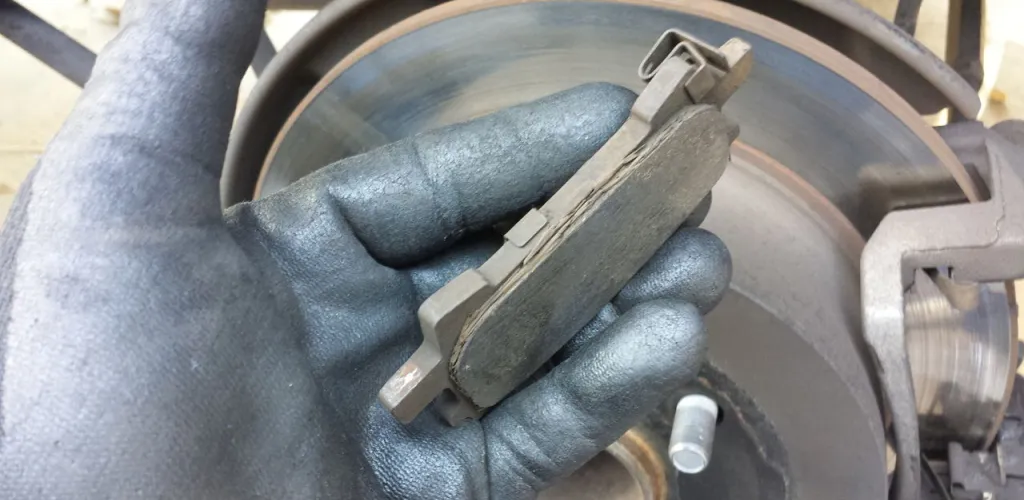
- Metallic noise during braking signals worn pads needing urgent replacement.
- Increased stopping distance indicates reduced braking force from worn pads.
- Visible grooves on discs imply advanced wear and possible disc damage.
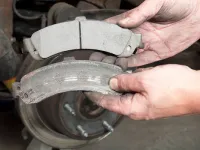
- Visual inspection to check pad thickness and wear, threshold 3–4 mm.
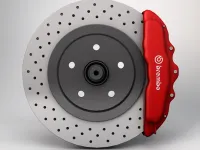
Brake pads are an essential component of the braking system on any vehicle, responsible for stopping or slowing the car by friction with the brake discs. Built from a high-quality friction material, these components are located in the brake calipers and wear gradually due to constant contact with the metal discs.
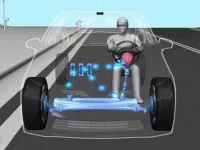
Since wear is inevitable due to constant friction, it is crucial to recognize the symptoms of advanced wear and act promptly to avoid dangerous situations. Below you will discover all important aspects related to brake pad wear.
Main symptoms of worn brake pads
Metallic noise when braking
The most common symptom of worn pads is a loud, sharp or metallic noise heard during braking. This sound occurs when the friction material wears down excessively and the metal part of the pad comes into contact with the brake disc.
The noise is caused by the worn pads losing rigidity, allowing dirt and other contaminants to enter the space between the pads and calipers. When these contaminants are caught between the pads and discs, a characteristic noise occurs that requires immediate replacement.
Increased braking distance
A highly dangerous symptom is the increased distance required to stop the vehicle. Worn pads have a reduced ability to generate braking force, resulting in a weaker response to the brake pedal.
This symptom requires urgent replacement of the pads, as it can lead to severe accidents, especially in situations requiring emergency braking.
Vibrations in the brake pedal
Uneven wear of the pads can generate vibrations or pulsations in the brake pedal and even in the steering wheel. This situation occurs when the pads wear unevenly, creating nonuniform contact with the brake discs.
The vibrations manifest as a pulsating sensation in the foot when you press the brake pedal and can be accompanied by vibrations in the steering wheel, indicating advanced wear of the braking system.
Visible grooves on brake discs
In an advanced stage of wear, the pads can leave deep grooves on the surface of the brake discs. These marks, also known as grooves, appear when the metal part of the pads scores the discs.
The appearance of grooves on the discs is an extreme symptom indicating that not only the pads need replacement, but the discs may also be compromised, requiring costly repairs.
Methods to check brake pad condition
Regular checking of brake pads is essential for road safety. There are several methods by which you can assess the condition of these components.

Visual inspection
The simplest method is a visual inspection through the vehicle’s rims. The brake pads should have a minimum thickness of 3-4 mm of friction material. If the thickness is below this value, replacement is necessary.
Visual inspection allows identifying uneven wear, cracks or other visible damage to the pads.
Controlled test drive
Performing a controlled test drive on a lightly trafficked road allows evaluating the braking system’s behavior. During this test, you should pay attention to:
- Brake noises
- Brake pedal response
- Vibrations in the pedal or steering wheel
- Stopping distance
Checking wear indicators
Many modern vehicles are equipped with wear indicators - small metal blades that produce a characteristic sound when the pads reach the minimum thickness. These indicators provide an early warning for replacement.
Brake pad replacement procedure
Replacing brake pads is a task that can be performed by an experienced mechanic, as well as by owners with technical knowledge and appropriate tools.
Preparation for replacement
- Lifting the vehicle onto secure supports
- Removing the wheels
- Cleaning the work area
- Preparing the necessary tools
Replacement steps
- Removing the brake caliper: the brake caliper is removed by undoing the mounting bolts.
- Replacing the pads: the worn pads are removed and new pads are installed
- Inspecting the disc: inspect the brake disc for any damage
- Reassembly: the caliper is reinstalled with the manufacturer’s specified torque
- Testing: tests are performed to verify correct operation

Important considerations
It is crucial to replace the pads on both sides of the same axle at the same time to maintain braking balance. Also, after replacement a break-in period with light braking is recommended to optimize the contact between pads and discs.
Costs associated with replacement
Factors influencing price
Make and model of the vehicle are key cost determinants. Pads for mainstream vehicles (Volkswagen, Skoda, Seat, Opel) have affordable prices, while those for premium cars (Mercedes, BMW, Audi) or French brands can cost considerably more.
The pad quality influences price - there are OEM pads, quality aftermarket, and economical variants with different performance.

Cost estimates
- Cost of pads: 100-500 lei per axle
- Labor: 50-150 lei per axle
- Possible additional costs: brake fluid, cleaning, discs (if affected)
Saving costs
Doing the replacement yourself can reduce labor costs, but requires technical knowledge, proper tools, and adherence to safety procedures. For those without experience, it is recommended to seek an authorized service.
Preventing premature wear
- Avoid repeated hard braking
- Maintain a safe following distance from the vehicle ahead
- Use engine braking on long descents
- Periodically check brake fluid level
- Follow the recommended maintenance schedule
Through proper maintenance and early recognition of symptoms, you can ensure optimal braking system operation and your road safety.
Photo sources: wheelzine.com, autobutler.co.uk, driving.co.uk