- Worn wiper blades expose metal or hard plastic, scratching the windshield.
- Scratches cause glare, distraction, and premature wear of new blades.
- Replace wipers when streaks, noises, vibrations, cracked, or worn blades appear.
- Prevent damage: inspect blades, clean them, avoid dry use, replace promptly, and check spring tension.
Defective windshield wipers are one of the less visible issues that can seriously affect driving safety. Although they may seem simple, these components play a crucial role in maintaining optimal visibility, and neglecting them can lead to costly consequences for the windshield.
The job of windshield wipers is to keep the windshield surface clean at all times, ensuring the driver’s optimal visibility. When they work correctly, they effectively remove water, snow, dust, and other impurities from the glass surface.
How windshield wipers fail and their effects
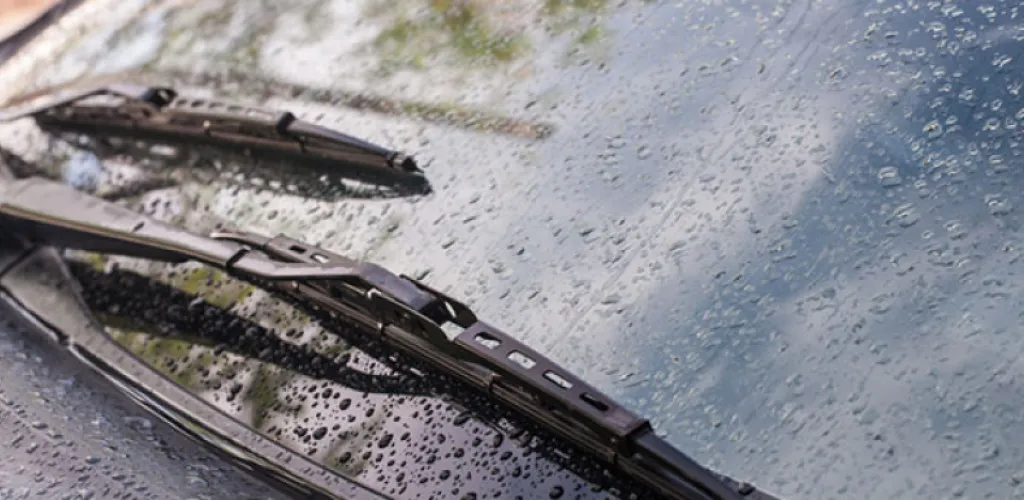
Faulty wipers can scratch the windshield through a seemingly contradictory mechanism. The blade of the wiper is made from a soft plastic material (usually synthetic rubber) that normally does not affect the windshield. However, this blade is mounted on a metal support or on a hard plastic support.

The problem arises when the blade wears out or partially detaches, exposing the metal or hard plastic support that comes into direct contact with the glass. This abrasive contact produces fine, but visible, scratches on the windshield.
Effects of scratches on the windshield
- Distracting: They are annoying and distract you from driving
- Visibility issues: They reflect sunlight and headlights at night, creating dangerous blind spots
- Premature wear: If you have a scratched windshield and replace the wipers, the new ones will wear prematurely because of the uneven surface
When to replace windshield wipers
Recalling the right moment to change the wipers can prevent windshield damage:
- Streaks on the windshield: when the wipers leave streaks or unclean areas
- Noises: when you hear squeaks or rubbing sounds
- Vibrations: when the wiper “jumps” on the windshield instead of gliding smoothly
- Cracked blade: when you notice visible cracks in the rubber
- Visible wear: when the blade edges are worn or deformed
Protecting the windshield
It is important to take care of your windshield, because 99% of the time spent behind the wheel you are looking through the windshield. It must always be clean and free of cracks and scratches.
Remedies for minor scratches
As a small tip, if you have only 2-3 minor scratches on the windshield, you can choose to polish them. But do this only for superficial scratches, because polishing the glass will remove material and the area may deform slightly.
For deeper scratches, the only effective solution remains replacing the windshield, a costly investment that can be avoided by timely replacement of the wipers.

Maintenance recommendations
To prevent windshield damage:
- Periodically inspect the wipers for signs of wear
- Regularly clean the wiper blade with a damp cloth
- Avoid using the wipers on a dry windshield
- Replace the wipers at the first signs of deterioration
- Check the tension of the wiper arms’ springs
Investing in a new set of quality wipers is always cheaper than replacing a scratched windshield.
Photo source: 10beasts.com